+86 17326062766
Leave Your Message
-
Contact WhatsApp
-
 Contact Phone
-
 Contact Email
High-performance control units, display systems, and cluster controllers engineered specifically for demanding maritime and yachting electrification projects.
The maritime industry is undergoing an unprecedented paradigm shift towards clean energy. As global environmental regulations tighten and the demand for silent, zero-emission propulsion grows, hybrid and pure electric marine vessels have transitioned from a niche concept to an industrial standard. At the heart of this electric revolution lies the energy storage system (ESS), typically powered by advanced Lithium-ion (primarily LiFePO4 or NMC) battery chemistries. However, the unique and volatile nature of marine environments makes the implementation of a dedicated, high-performance battery management device for marine vessels and yachting an absolute engineering necessity.
Unlike land-based energy storage or electric road vehicles, marine battery systems operate under extreme conditions. They are subjected to continuous low-frequency vibrations, high relative humidity, corrosive salt spray, and the physical stresses of rolling and pitching. A failure in a marine battery system is not merely an inconvenience; it poses a catastrophic risk to the vessel and its crew. Consequently, a marine-grade Battery Management System (BMS) must act as the brain of the vessel's electrical grid, ensuring safety, optimizing energy efficiency, and maximizing the lifetime of the battery packs.
"In marine electrification, safety is non-negotiable. A premium battery management device does not just monitor voltages; it acts as a proactive safety shield, preventing thermal runaway and integrating seamlessly with the vessel's overall energy management architecture."
The commercial landscape for marine battery systems is expanding rapidly. Driven by the International Maritime Organization (IMO) targets to reduce greenhouse gas emissions from international shipping by at least 50% by 2050 compared to 2008 levels, port authorities and commercial operators are heavily investing in electrification. Major sectors driving this growth include:
This industrial transition has led to a surge in demand for certified marine battery management devices. Classification societies such as DNV, Lloyd's Register, and Bureau Veritas have established strict certification guidelines (such as DNV-CG-0173) for maritime batteries. These standards mandate rigorous testing for thermal runaway propagation prevention, electromagnetic compatibility (EMC), and environmental resilience, raising the barrier to entry for battery management device manufacturers.
Designing a battery management device for marine vessels and yachting requires addressing several unique engineering challenges:
Marine battery packs often operate at high voltages—ranging from 400V up to 1500V DC—to deliver the massive power required for propulsion while keeping cable thickness and weight manageable. In a steel-hulled vessel surrounded by highly conductive saltwater, maintaining electrical isolation is critical. The battery management device must continuously monitor isolation resistance and instantly detect any ground faults, isolating the affected battery string before a hazardous short circuit can occur.
Thermal runaway is the most critical safety hazard associated with lithium batteries. If a single cell overheats and catches fire, it can trigger a chain reaction across the entire pack. A marine BMS must feature ultra-fast temperature sensing and advanced algorithms to detect abnormal temperature rises before thermal runaway occurs. Furthermore, in the event of a localized failure, the BMS must coordinate with the vessel's fire suppression and cooling systems to prevent propagation.
Marine propulsion systems create highly dynamic loads. When a vessel navigates rough seas, the power demand can fluctuate rapidly. The battery management device must work in tandem with the hybrid propulsion controller to perform "peak shaving"—supplying battery power during peak loads to prevent diesel generators from overloading, and recharging the batteries during low-load periods. This requires real-time calculation of State of Power (SOP), determining exactly how much charge the battery can safely deliver or accept at any given second.
In modern superyachts, the battery management device is integrated into a sophisticated Energy Management System (EMS). During the day, the vessel utilizes solar arrays and shaft generators to charge the battery bank. At night, the main engines are shut down, and the vessel switches to "Silent Anchor Mode." The BMS manages the discharge of the lithium battery bank, powering heavy hotel loads such as HVAC systems, watermakers, and stabilizers. By precisely balancing the cells and managing the depth of discharge, the BMS ensures that the batteries can sustain these loads throughout the night without requiring generator intervention, guaranteeing absolute peace and comfort for the guests.
Commercial passenger ferries operating in environmentally sensitive waterways rely on pure electric propulsion. These vessels utilize large battery banks (often exceeding 1 MWh) that must undergo rapid high-power charging at each port terminal. The battery management device plays a pivotal role here, communicating directly with the shore-based charging station via CCS or automated pantograph interfaces. The BMS monitors cell temperatures and voltages in real-time, dynamically adjusting the charging current to maximize charging speed while preventing lithium plating and excessive heat generation, thereby ensuring a long battery service life despite aggressive duty cycles.
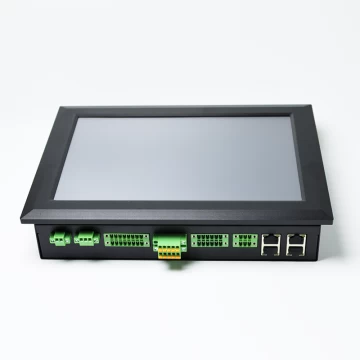
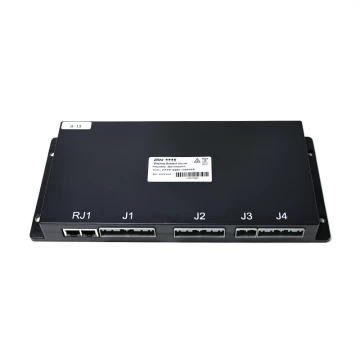
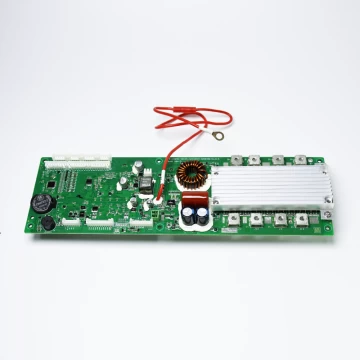
A robust marine battery management device typically employs a modular, multi-tier architecture to handle large-scale battery banks:
ZheJiang Qualtech Co., Ltd. (referred to as Qualtech) was established in 2011 and is headquartered in Hangzhou, Zhejiang. It is a national high-tech enterprise, the third batch of specialized, refined, and new "little giant" enterprises by the Ministry of Industry and Information Technology, and currently a leading enterprise in both the new energy vehicle BMS and energy storage BMS sub markets in China.
Learn More About UsLeveraging over a decade of automotive-grade BMS engineering, Qualtech brings unprecedented safety, reliability, and precision control to the marine and yachting battery storage market.
From microgrids to integrated charging systems, discover how our advanced battery management technologies power critical energy infrastructures.
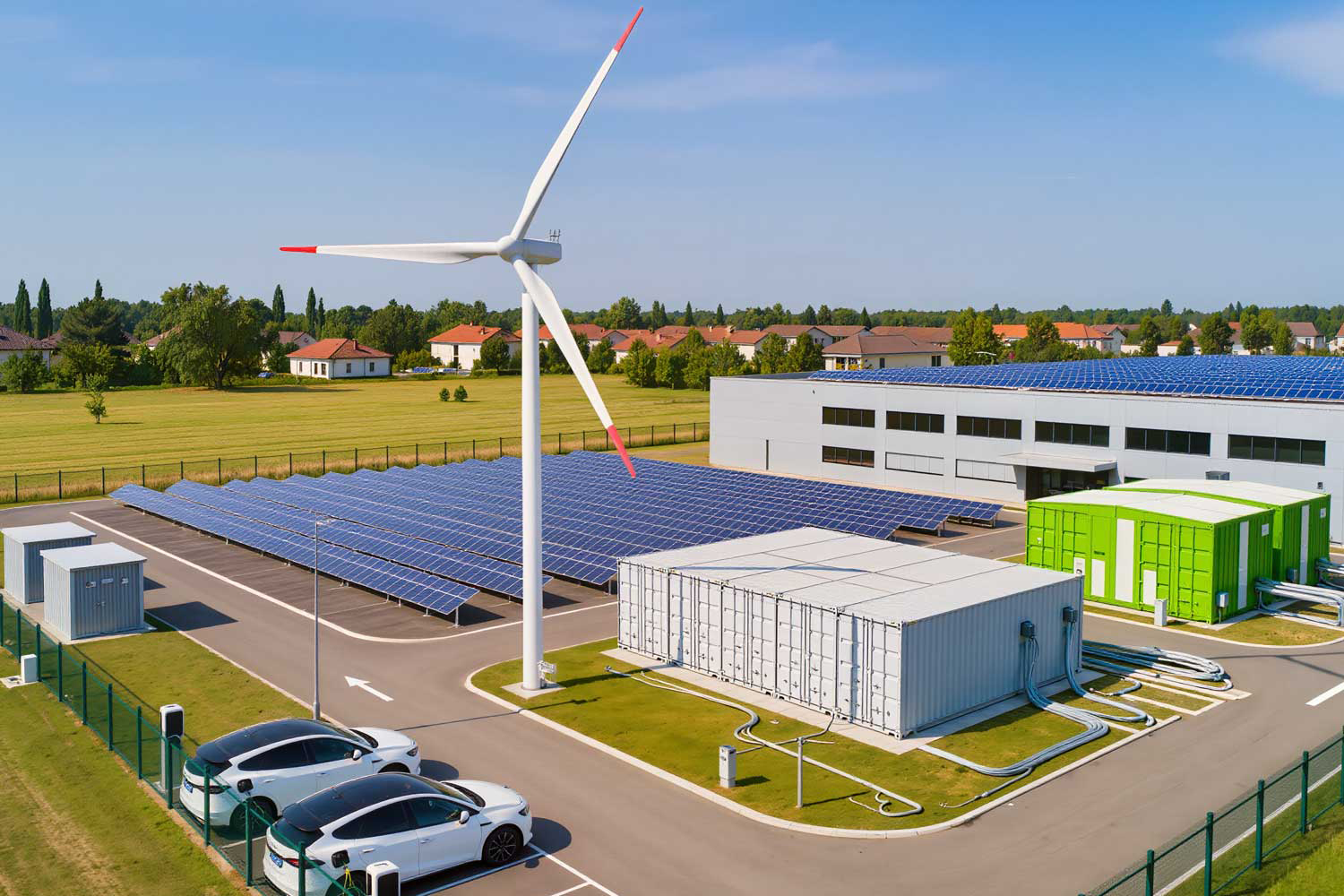

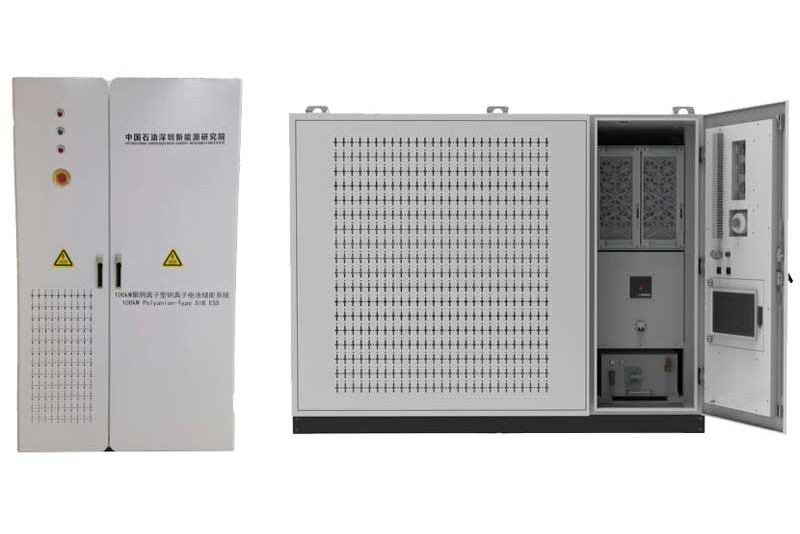
Collaborating with global leaders in automotive, marine, and energy storage technology.












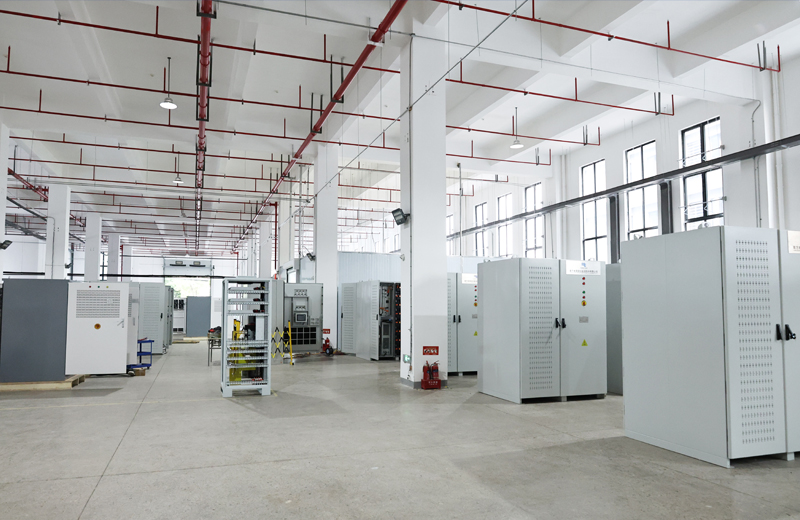
As a full-stack digital smart energy system solution provider, Qualtech has always been anchored by independent R&D and in-house manufacturing...
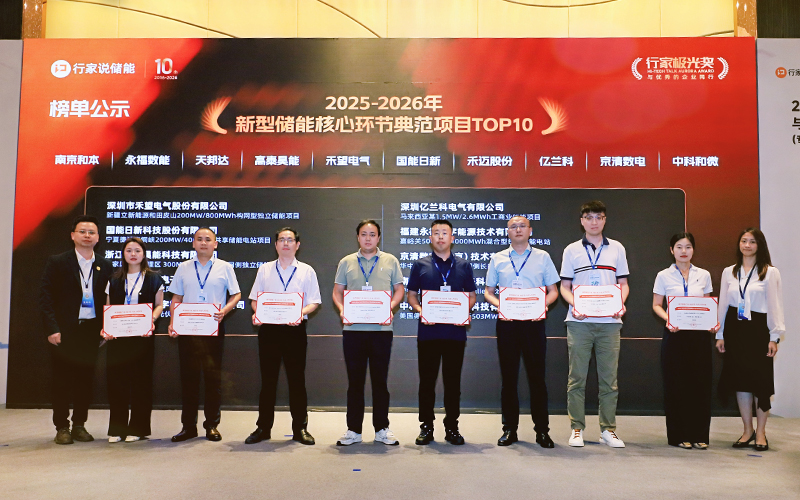
The results of the prestigious industry award, the Energy Storage Industry Aurora Award, have recently been announced, honoring Qualtech's core equipment...

The 2026 BRICS Partnership on New Industrial Revolution Forum opened recently in Xiamen, forging strategic partnerships for EV charging networks...
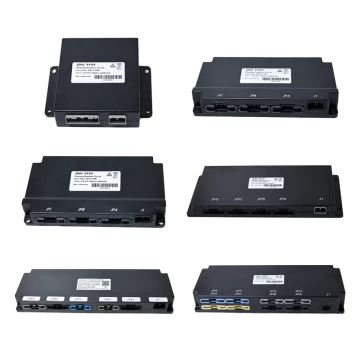
Explore our full range of master controllers, slave units, display modules, and smart home/marine storage integration devices.