+86 17326062766
Leave Your Message
-
Contact WhatsApp
-
 Contact Phone
-
 Contact Email
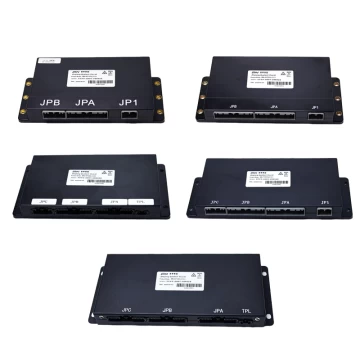
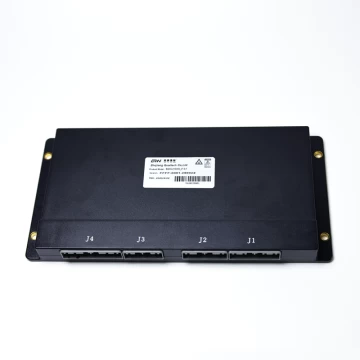
Industrial BMS slave controllers, passive/active balancing units, and intelligent HMI monitors tailored for EV fast-charging buffers and storage systems.
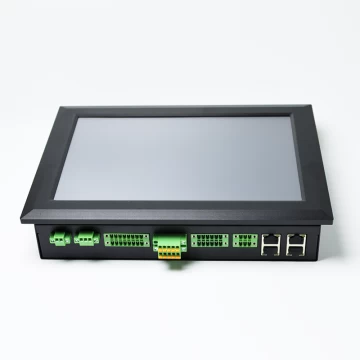
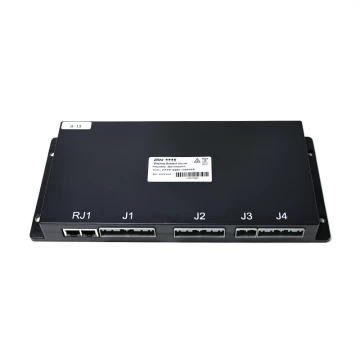

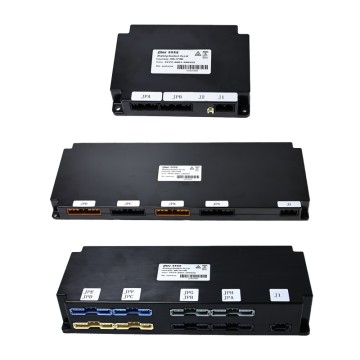
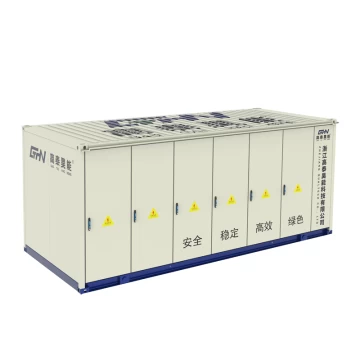
The global transition to e-mobility is expediting an unprecedented expansion of electric vehicle supply equipment (EVSE). As heavy-duty fleet electrification escalates and passenger vehicles migrate toward 800V and 1000V DC fast-charging architectures, localized power grids experience extreme strain. To prevent substation overloads, modern megawatt-level EV charging stations are transitioning from grid-only power feeds to integrated PV-Storage-Charging Microgrid Hubs. In this complex industrial landscape, a specialized Battery Protection Board (BMS / PCM) is no longer just a passive fail-safe—it serves as the neurological core that safeguards capital assets, ensures electrical stability, and prevents cascading thermal disasters.
High-power chargers (350kW to 600kW) demand microsecond-speed short-circuit isolation and active shunt sensing to withstand cyclic high-current stress during peak dispatch.
Stationary BESS paired with multi-gun DC dispensers require reinforced high-voltage insulation monitoring up to 1500VDC to prevent chassis ground fault electrification.
Embedded real-time SoC, SoH, and remaining useful life (RUL) predictive analytics running on 32-bit automotive-grade MCUs synchronize with master SCADA via CAN FD and industrial Ethernet.
Battery energy storage systems (BESS) installed at EV charging stations undergo far more severe duty cycles than conventional residential solar batteries. They withstand frequent, unpredictable charging spikes when renewable solar inputs spike, followed immediately by ultra-fast C-rate discharging as high-power DC fast-chargers dump hundreds of kilowatts into arriving electric vehicles. A failure at the cell or module level can trigger thermal runaway, catastrophic arc-flashes, and destruction of multi-million dollar charging plazas.
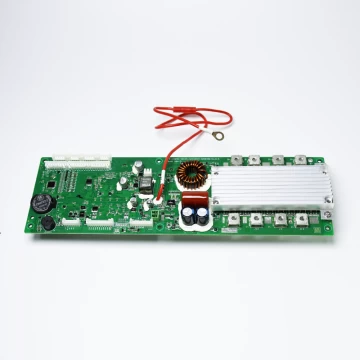
A high-performance battery protection board for EV charging stations integrates multi-tier failsafe topologies:
The industry is transitioning rapidly toward software-defined battery management. Tomorrow’s EV charging stations are integral components of Virtual Power Plants (VPPs), engaging in peak shaving, frequency regulation, and dynamic spot-market arbitrage. Protection boards must interface with external Open Charge Point Protocol (OCPP) platforms and grid controllers. By integrating ASIL-B and ISO 26262 compliant hardware architectures, Qualtech delivers battery protection infrastructure that satisfies both stationary safety guidelines (UL 1973, UL 9540A, IEC 62619) and automotive functional standards.
Engineered to protect stationary battery banks across demanding commercial and industrial EV charging topologies.

Coordinated energy management stabilizing microgrids during concurrent fast-charging of commercial electric bus and logistics fleets.

Seamlessly synchronizes rooftop photovoltaic generation, stationary buffer protection, and dynamic multi-dispenser power sharing.
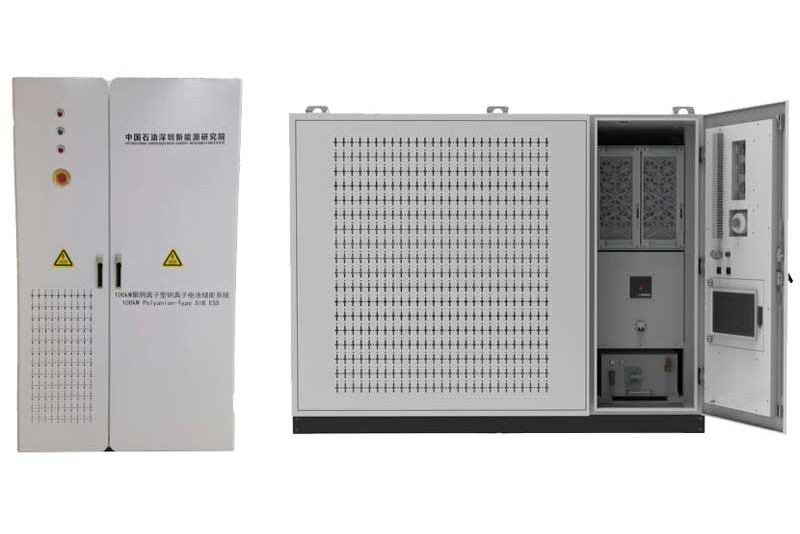
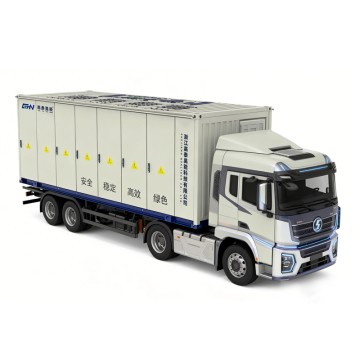
Modular 1500V liquid-cooled battery cabinets engineered for urban highway corridor charging stations with stringent footprint boundaries.
National High-Tech Enterprise & Specialized "Little Giant" Pioneer in Energy Storage & Automotive BMS
ZheJiang Qualtech Co., Ltd. (referred to as Qualtech) was established in 2011 and is headquartered in Hangzhou, Zhejiang. It is a national high-tech enterprise, the third batch of specialized, refined, and new "little giant" enterprises by the Ministry of Industry and Information Technology, and currently a leading enterprise in both the new energy vehicle BMS and energy storage BMS sub markets in China.
Our battery management architectures power leading global automotive OEMs, commercial fleet operators, and tier-1 grid integrators.












Stay up to date with full-stack digital smart energy developments, global charging networks, and breakthrough engineering honors.



Explore our full catalog of high-voltage master controllers, automotive-grade slave units, and heavy-duty stationary charging station solutions.