Leave Your Message

Battery Storage Energy Station For Emergency Disaster Relief And First Responders

Resilient Power Solutions for Life-Saving Missions

The Critical Role of Battery Storage in Disaster Relief

In the immediate aftermath of a natural disaster—be it a hurricane, earthquake, or wildfire—the power grid is often the first infrastructure to fail. For first responders and emergency relief organizations, the lack of reliable electricity is not just an inconvenience; it is a barrier to saving lives. Traditionally, diesel generators have been the go-to solution for off-grid power. However, the logistical challenges of fuel transport, the noise, and the harmful emissions have led to a paradigm shift. Enter the Battery Storage Energy Station (BESS).
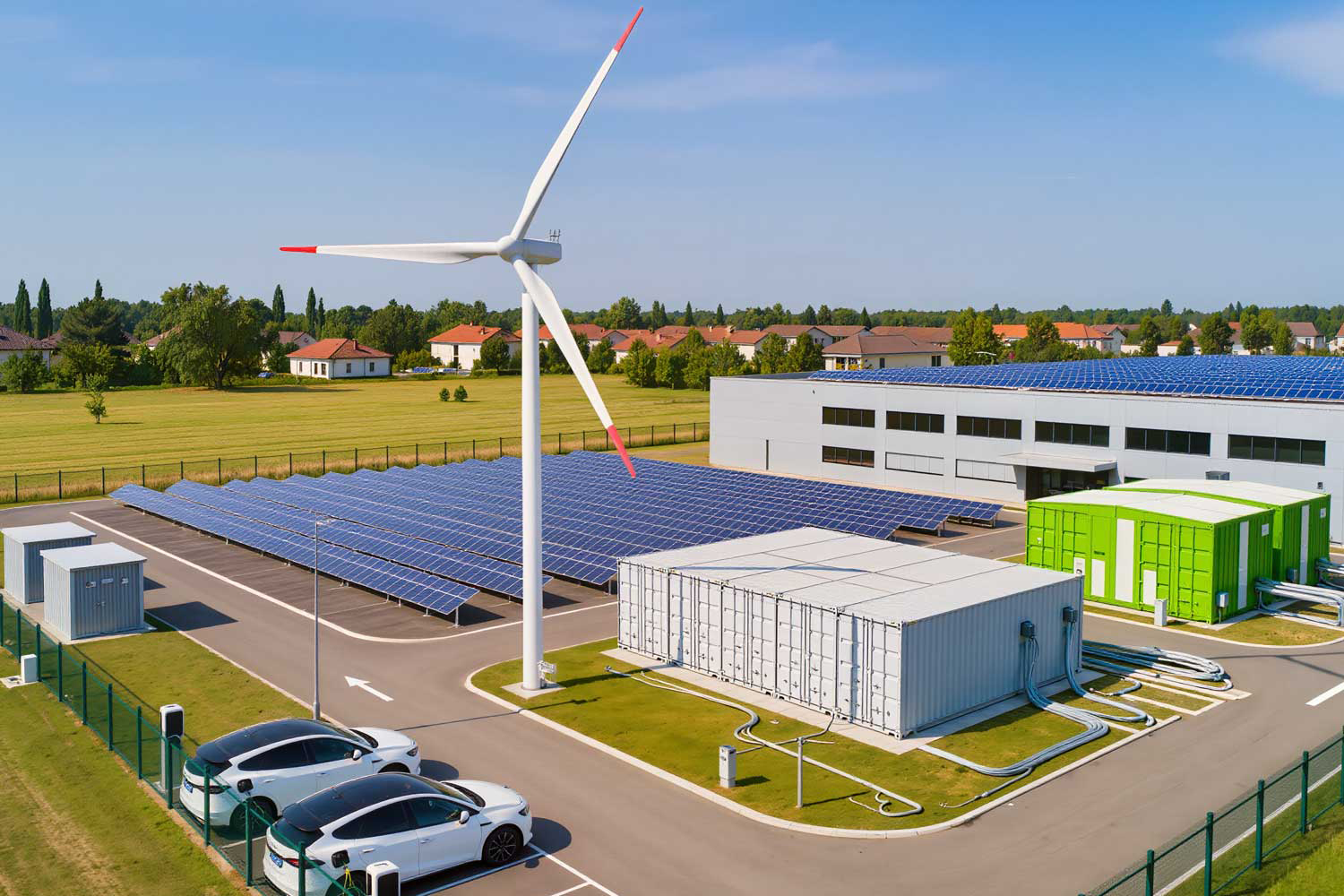
Modern Battery Storage Energy Stations designed for emergency relief are modular, portable, and capable of integrating with renewable sources like solar panels. These stations provide a "silent, clean, and instant" power source that can be deployed within minutes. Whether it's powering a mobile surgical unit, maintaining communication links, or providing light for search and rescue operations, BESS technology is becoming the backbone of resilient emergency infrastructure.
🚀 Rapid Deployment

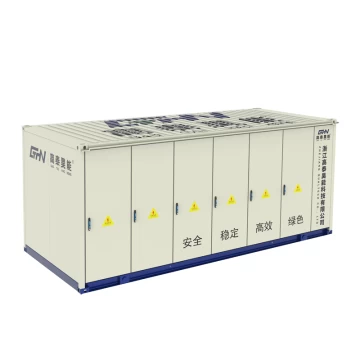
Designed for truck-mounted or containerized transport, these stations can be operational immediately upon arrival at the disaster zone.

☀️ Renewable Integration

Seamlessly couple with portable solar arrays to create a self-sustaining microgrid when fuel supplies are cut off.

🛡️ Extreme Durability

Built with IP-rated enclosures and advanced thermal management to operate in harsh environments from floods to heatwaves.

Commercial and Industrial Status of Emergency BESS

The global market for emergency energy storage is experiencing an unprecedented surge. Governments and NGOs are increasingly mandating the inclusion of battery storage in their disaster preparedness kits. From a commercial perspective, the transition from "Backup Power" to "Energy Resilience" is driving innovation. Companies like Qualtech are at the forefront, providing high-capacity lithium-ion systems that outperform traditional lead-acid batteries in energy density, cycle life, and safety.
Industrially, the focus has shifted toward Liquid-Cooled and Immersion-Cooled systems. These technologies allow for higher discharge rates without the risk of overheating, which is crucial when powering heavy-duty equipment like water purification systems or large-scale oxygen concentrators in field hospitals. The integration of AI-driven Battery Management Systems (BMS) ensures that every cell is monitored in real-time, preventing failures before they happen—a necessity when lives are on the line.
13+ Years Experience
300+ Expert Staff
130+ Patents Held
1000+ Global Clients

Deep Application Scenarios for First Responders

1. Mobile Field Hospitals and Triage Centers

In a disaster, the first 72 hours are critical. Battery Storage Energy Stations provide the stable, high-quality power required for sensitive medical equipment. Unlike diesel generators, which produce voltage fluctuations that can damage ventilators or monitors, BESS units provide a pure sine wave output. They can power refrigeration units for vaccines and medicines, surgical lighting, and diagnostic tools in remote areas where the grid has vanished.

2. Search and Rescue (SAR) Communication Hubs

Communication is the lifeline of SAR operations. BESS units power satellite uplinks, radio repeaters, and drone charging stations. By using a battery energy station, command centers can operate silently, allowing rescuers to hear calls for help that would otherwise be drowned out by the roar of a generator.

3. Wildfire Command and Control

During wildfires, traditional power lines are often de-energized to prevent further ignitions. Battery stations provide a safe, non-combustible power source for fire camps. Truck-mounted BESS units can follow the fire line, providing power for night-vision equipment, thermal imaging cameras, and communication gear in the heart of the forest.

4. Flood Relief and Water Purification

Flooding often contaminates local water supplies. High-capacity battery stations can drive industrial-scale reverse osmosis units to provide clean drinking water to thousands of displaced people. The immersion-cooled technology used in Qualtech systems ensures that even in high-humidity, high-temperature environments, the power remains consistent.

Future Trends in Emergency Energy Storage

As we look toward 2030, several trends are shaping the future of Battery Storage Energy Stations:
  • Solid-State Batteries: Offering even higher energy density and near-zero risk of fire, making them ideal for high-stress disaster zones.
  • Vehicle-to-Everything (V2X): Future first responder vehicles will act as mobile batteries, discharging power back into the relief camp's microgrid via integrated BMS.
  • Satellite-Linked EMS: Energy Management Systems will be controlled via Starlink or similar satellite networks, allowing engineers to diagnose and optimize battery performance from anywhere in the world.
  • Hydrogen-Battery Hybrids: Combining the long-term storage of hydrogen with the rapid response of lithium batteries for multi-week disaster missions.

About ZheJiang Qualtech Co., Ltd.

Established in 2011 and headquartered in Hangzhou, Qualtech is a national high-tech enterprise and a recognized "Little Giant" in the energy industry. We specialize in the full-stack development of Battery Management Systems (BMS) and integrated Energy Storage Systems (ESS). Our solutions are deployed globally, from new energy vehicles to large-scale grid storage and critical emergency relief stations.

With over 130 intellectual property rights and a team of 300+ dedicated professionals, we ensure that our "Quality First" philosophy is embedded in every circuit and container we manufacture.
Qualtech Microgrid System