+86 17326062766
Leave Your Message
-
Contact WhatsApp
-
 Contact Phone
-
 Contact Email
High-reliability battery management units and modular cluster controllers engineered for high-voltage renewable stations.
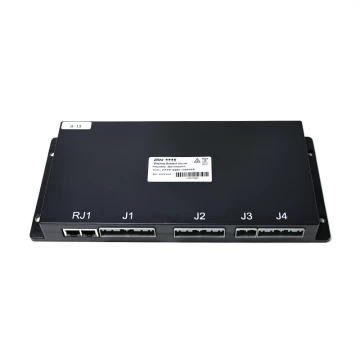

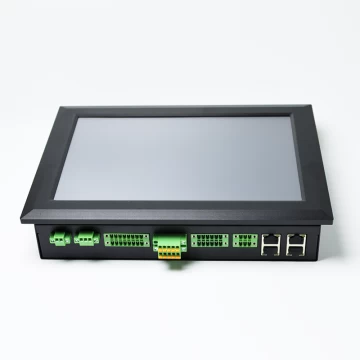
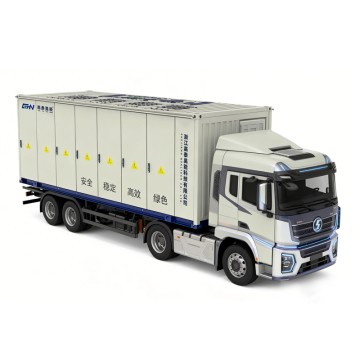
How utility-scale photovoltaic installations and renewable grids are overcoming intermittency via intelligent energy storage stations.
Higher energy throughput and reduced cable losses across utility solar fields.
Dynamic frequency response and instantaneous solar ramp-rate stabilization.
Optimized immersion and liquid thermal management minimizing cell degradation.
The global transition to carbon-neutral power grids has positioned utility-scale photovoltaic (PV) solar farms at the frontline of renewable energy generation. However, solar generation is intrinsically dependent on irradiance variability, weather fluctuations, and the natural day-night cycle. This disconnect between peak solar output (typically occurring at solar noon) and peak consumer electricity demand (in late afternoons and evenings) produces the well-known "duck curve," leading to severe curtailment, grid congestion, and negative wholesale electricity pricing.
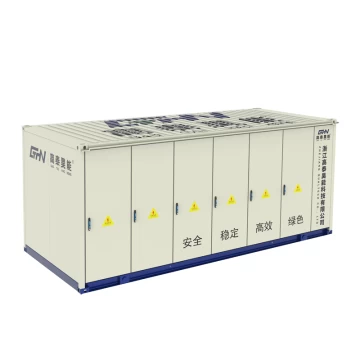
A Battery Storage Energy Station for Renewable Energy and Solar Farms operates as the pivotal bridge in this ecosystem. By integrating high-capacity lithium iron phosphate (LiFePO4) battery arrays, high-speed Power Conversion Systems (PCS), intelligent Battery Management Systems (BMS), and Energy Management Systems (EMS), these utility-scale storage stations absorb surplus electricity during peak irradiation and dispatch power when the grid needs it most.
Captures surplus PV energy that transmission lines cannot immediately accommodate, unlocking 100% asset monetization.
Shifts low-cost daytime megawatt-hours to lucrative peak-tariff evening periods to optimize project Levelized Cost of Storage (LCOS).
Participates in fast frequency response (FFR), spinning reserves, voltage regulation, and black-start grid restoration.
A multi-layer hierarchy spanning cell-level telemetry, cluster control, and centralized cloud orchestration.
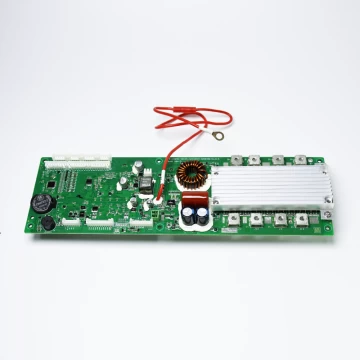
The foundation of any utility-scale battery station is precise electrochemical monitoring. Slave Battery Management Units (SBMU) interface directly with individual 314Ah or 280Ah LiFePO4 cells to sample voltages with millivolt-level accuracy and surface temperatures via multi-channel thermistors. Active or passive cell balancing mitigates capacity dispersion across long strings, prolonging cycle life up to 8,000+ full cycles.
The Battery Cluster Control Unit (SBCU) oversees high-voltage DC battery racks operating up to 1500V. It aggregates slave module data, executes insulation resistance diagnostics, manages DC contactors, and calculates real-time State of Charge (SOC), State of Health (SOH), and State of Power (SOP) with sophisticated Kalman filter algorithms to prevent thermal runaway before it starts.
At the station level, the Energy Management System (EMS) and Display Units (SEMU) interface with SCADA, PCS inverters, and wholesale electricity market dispatchers. Using machine-learning load forecasting and AI dispatch logic, the EMS decides whether to charge from local solar arrays, hold reserve capacity, or discharge into the transmission grid based on real-time price signals.
As battery energy density increases with 314Ah+ cells, thermal management is paramount for solar farm safety. Traditional air-cooled battery containers exhibit high internal temperature differentials (>5°C), which causes uneven cell aging and elevates fire risks in arid solar farm environments where ambient temperatures regularly exceed 45°C.
Modern battery storage energy stations utilize direct liquid cooling or advanced immersion cooling topologies. By circulating dielectric fluids or glycol-water mixtures directly along cell cold plates, temperature uniformity across 5MWh containerized systems is maintained within ±2°C. This suppresses thermal runaway risks, cuts auxiliary parasitic power consumption by over 30%, and extends overall asset operational lifespan beyond 15 to 20 years.
Turnkey engineering solutions addressing diverse commercial, industrial, and utility grid challenges.

Autonomous off-grid and grid-tied microgrids combining distributed solar arrays, wind generation, diesel backup, and high-safety BESS to guarantee 24/7 power resilience in remote mining, islands, and rural outposts.
 View More

Next-generation EV supercharging hubs coupling rooftop solar canopies with stationary BESS buffers. Alleviates local transformer constraints during simultaneous ultra-fast EV charging cycles without expensive substation upgrades.
View More
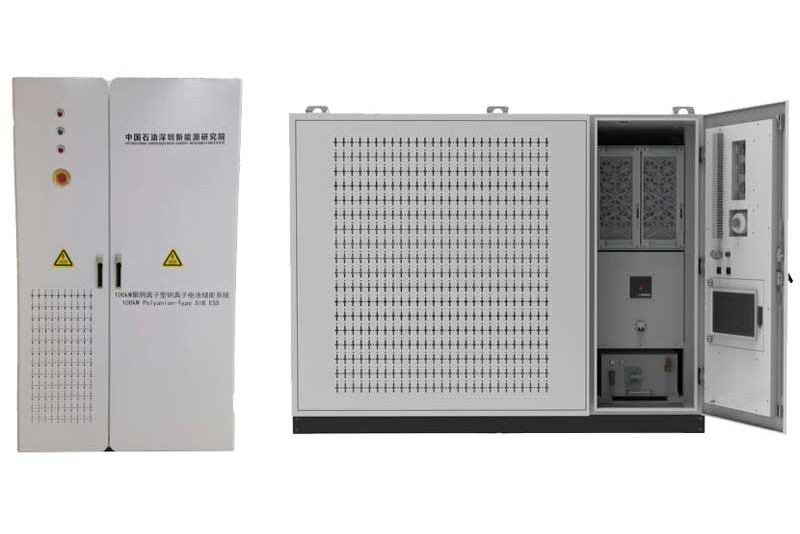
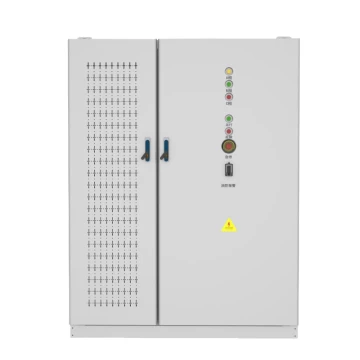
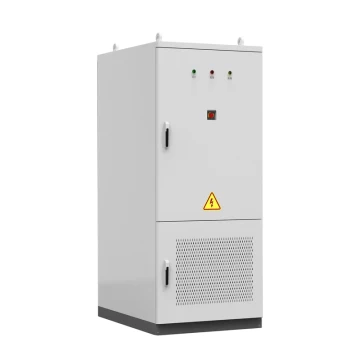
Standardized outdoor liquid-cooled C&I energy storage cabinets delivering peak load shaving, maximum demand management, and backup power for energy-intensive manufacturing plants, data centers, and industrial solar parks.
View More
ZheJiang Qualtech Co., Ltd. (referred to as Qualtech) was established in 2011 and is headquartered in Hangzhou, Zhejiang. It is a national high-tech enterprise, the third batch of specialized, refined, and new "little giant" enterprises by the Ministry of Industry and Information Technology, and currently a leading enterprise in both the new energy vehicle BMS and energy storage BMS sub markets in China.
Trusted by premier renewable energy developers, EV manufacturers, and utility grid operators worldwide.










Stay updated with Qualtech's technological breakthroughs, strategic partnerships, and global project milestones.

As a full-stack digital smart energy system solution provider, Qualtech has always been anchored by independent R&D and in-house manufacturing, enabling delivery of robust digital smart energy solutions globally.

The results of the prestigious industry award, the Energy Storage Industry Aurora Award (hosted by Energy Storage Talk), have recently been announced, celebrating Qualtech's benchmark utility-scale deployment.

The 2026 BRICS Partnership on New Industrial Revolution (BPNIR) Forum opened recently in Xiamen, centered on building collaborative infrastructure to deploy EV charging station networks with Argentinian counterparts.
Explore our comprehensive lineup of BMS controllers, containerized BESS, all-in-one commercial cabinets, and residential systems.