+86 17326062766
Leave Your Message
-
Contact WhatsApp
-
 Contact Phone
-
 Contact Email
Purpose-built battery storage systems engineered for the demanding environments of marine vessels and yachting applications.
The global marine battery storage system market is experiencing unprecedented growth, driven by tightening emissions regulations, surging fuel costs, and a fundamental shift toward sustainable maritime operations. The International Maritime Organization (IMO) has set ambitious targets to cut greenhouse gas emissions from shipping by at least 50% before 2050, making battery storage systems not just an option, but a strategic imperative for vessel operators worldwide.
According to industry analysts, the marine battery market was valued at over USD 4.2 billion in 2023 and is projected to exceed USD 14 billion by 2030, growing at a CAGR of approximately 18.7%. From commercial cargo ships and passenger ferries to offshore support vessels and luxury superyachts, battery energy storage systems (BESS) are redefining what it means to operate at sea.
LiFePO4 (Lithium Iron Phosphate) chemistry has emerged as the dominant technology in marine applications, prized for its outstanding thermal stability, long cycle life exceeding 4,000 cycles, and inherent resistance to thermal runaway — critical attributes in the confined, high-humidity environments found aboard vessels.
The marine energy storage landscape is evolving rapidly. Here are the defining technological and commercial trends shaping the sector today.
Next-generation BMS platforms leverage machine learning algorithms to predict cell degradation, optimize charge-discharge cycles, and proactively prevent faults before they occur — dramatically improving safety and extending battery service life aboard vessels.
Marine environments demand precise thermal management. Liquid-cooled BESS units now maintain cell temperatures within ±2°C of optimal range even in tropical climates, ensuring consistent performance and preventing capacity fade in demanding offshore conditions.
Battery storage systems are increasingly integrated with diesel generators, fuel cells, and shore power connections in sophisticated hybrid architectures. Intelligent energy management systems (EMS) orchestrate these sources in real time, cutting fuel consumption by 20–40%.
IoT-enabled BESS platforms transmit real-time performance data to cloud dashboards accessible from anywhere on earth. Fleet operators can monitor state-of-charge, cell health, and fault alerts across entire vessel fleets from a single command center.
Leading manufacturers are pursuing DNV, Lloyd's Register, Bureau Veritas, and ABS type approvals. These certifications validate that battery systems meet rigorous marine safety standards including vibration resistance, IP67 ingress protection, and EMC compliance for onboard electronics.
Marine operators are exploring second-life battery programs where cells retired from electric vehicle fleets are repurposed for auxiliary power and hotel load applications aboard vessels, significantly reducing total cost of ownership and supporting circular economy principles.
Battery storage systems serve a diverse range of critical functions across different vessel types and operational profiles.
High-net-worth yacht owners demand silent, vibration-free operation in anchorage. BESS systems power hotel loads — air conditioning, lighting, entertainment, and galley equipment — without running diesel generators, eliminating noise and exhaust fumes. Systems typically range from 50 kWh to 500 kWh depending on yacht size, with modular architectures allowing easy capacity expansion.
Short-route passenger ferries are among the most electrified vessel categories globally. Overnight shore-power charging enables fully electric daytime operations on routes under 30 nautical miles. Hybrid ferries use BESS for peak shaving during acceleration, reducing engine wear and fuel consumption by up to 35% on busy urban waterways.
Offshore supply vessels operating in dynamic positioning (DP) mode require uninterrupted power for thruster systems. BESS provides instantaneous backup power during generator switchovers, preventing position loss in critical operations near oil platforms and wind turbine foundations. Response times under 20 milliseconds are achievable with modern lithium-based systems.
Performance marine applications demand battery systems capable of delivering very high C-rate discharge for short periods. Racing powerboats and sport foiling craft benefit from purpose-designed high-power BESS that deliver peak power densities exceeding 2 kW/kg, enabling explosive acceleration while maintaining lightweight system architecture.
Heavy work vessels with highly variable power demands benefit enormously from BESS load leveling. By absorbing peak loads and releasing stored energy during demand spikes, battery systems allow generators to operate at steady, efficient loads. Field deployments have demonstrated fuel savings of 15–25% and generator maintenance interval extensions of 30%.
Modern sailing yachts and expedition vessels increasingly combine rooftop solar panels with high-capacity BESS to achieve extended off-grid autonomy. DC-coupled PV-BESS architectures maximize solar harvest efficiency, while intelligent EMS prioritizes renewable charging over generator use. Some vessels achieve 80%+ renewable energy share on ocean passages.
Explore our comprehensive range of BMS and energy storage solutions engineered for marine vessels and yachting applications.
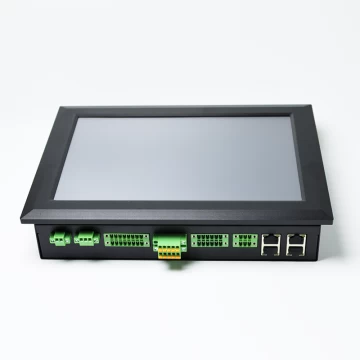
Advanced display and control interface for marine energy storage battery management systems.
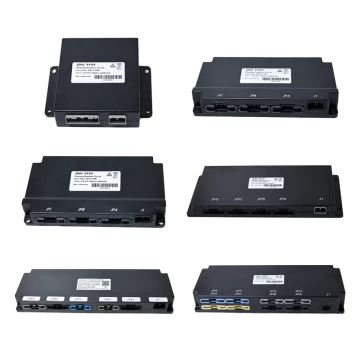
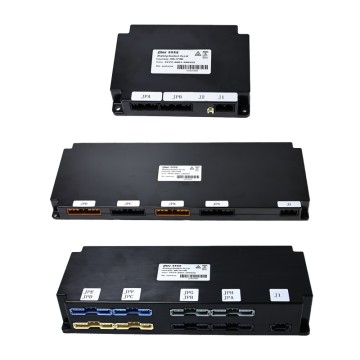
Reliable passive balancing slave units designed for large-scale marine energy storage configurations.
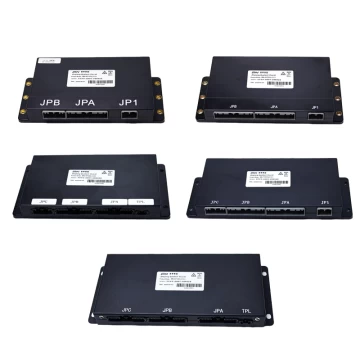
● MCU: S32K312/NXP, 120MHz, 2M Flash, ASIL B ● AFE: High-precision cell monitoring for demanding marine environments
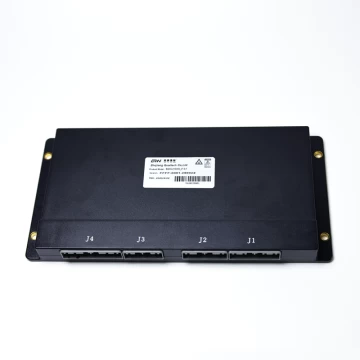
● Supports 1500V total voltage and insulation resistance monitoring for high-voltage marine electric propulsion systems.

All-in-one BMS with voltage, temperature & current sensing. Supports over-charge, over-discharge, over-current, and short-circuit protection for marine applications.
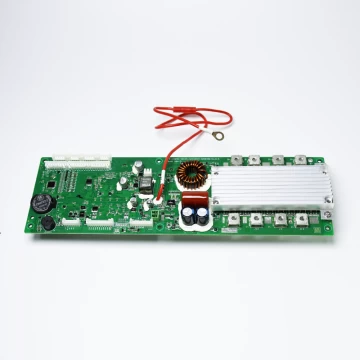
Intelligent 16S LiFePO4 BMS delivering reliable protection and monitoring for marine auxiliary and hotel load battery systems.
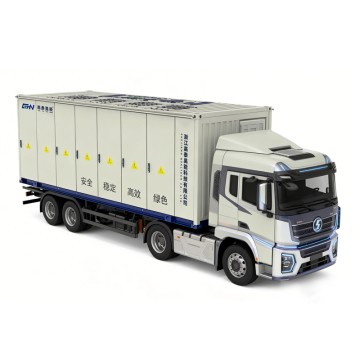
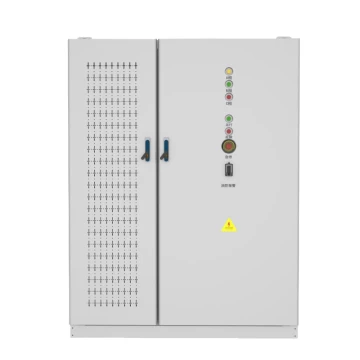
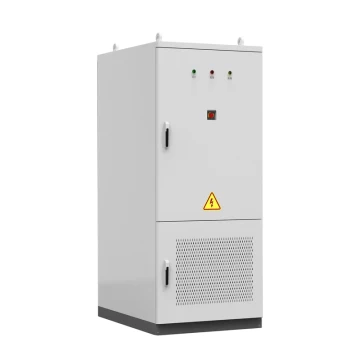
Truck-mounted BESS for temporary and emergency power supply at marine ports and shipyards.
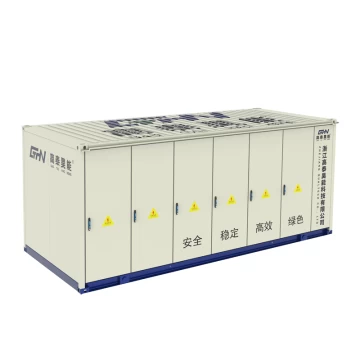
High-capacity immersion-cooled containerized BESS for shore power infrastructure and marine grid stabilization.
The commercial and operational case for marine BESS has never been stronger. Here is why vessel owners and operators are making the switch.
By enabling peak shaving, load leveling, and engine optimization, marine BESS systems consistently deliver fuel savings of 20–40% compared to conventional diesel-only operations, with payback periods typically under 5 years for commercial vessel applications.
With IMO Tier III, EU Emissions Trading System (ETS), and forthcoming FuelEU Maritime regulations creating significant compliance costs, BESS integration provides a clear pathway to meeting emissions targets while avoiding carbon penalties that can reach millions of euros annually.
Fewer generator running hours directly translate to extended maintenance intervals, lower lubricant consumption, and reduced engine overhaul frequency. Fleet operators report total maintenance cost reductions of 15–30% following BESS integration across their vessel fleets.
Comprehensive system solutions covering microgrid, integrated light-storage, and full industry energy management for maritime environments.
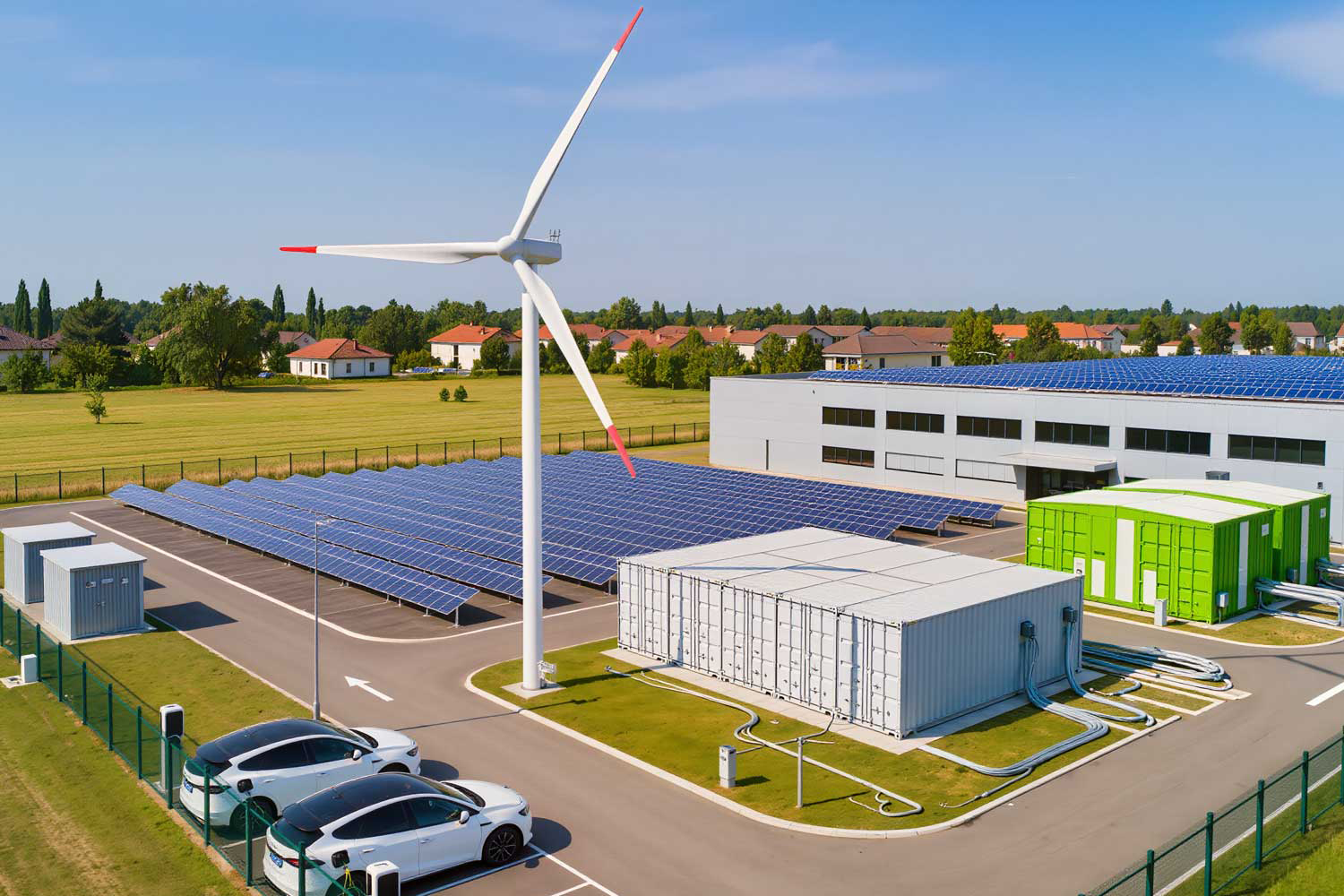
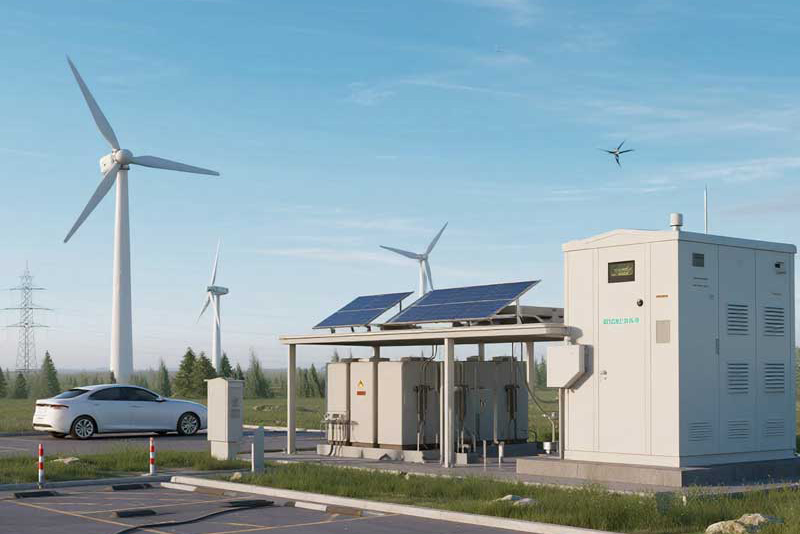
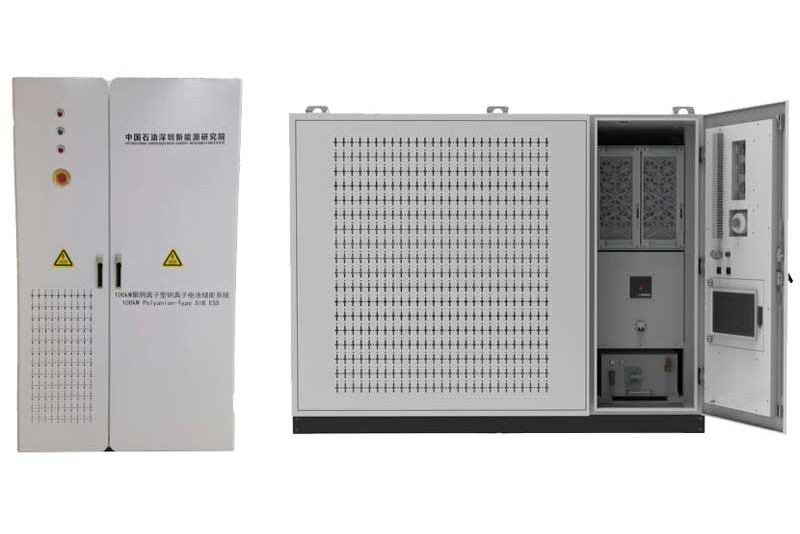
ZheJiang Qualtech Co., Ltd. (referred to as Qualtech) was established in 2011 and is headquartered in Hangzhou, Zhejiang. It is a national high-tech enterprise, the third batch of specialized, refined, and new "little giant" enterprises by the Ministry of Industry and Information Technology, and currently a leading enterprise in both the new energy vehicle BMS and energy storage BMS sub markets in China.
With over 130 intellectual property rights, 300+ dedicated employees, and a customer base exceeding 1,000 global partners, Qualtech delivers full-stack digital smart energy solutions trusted by maritime operators around the world. Our marine-grade battery management systems combine cutting-edge AI algorithms, robust hardware engineering, and deep application expertise to deliver unparalleled performance at sea.
Qualtech's battery storage solutions are deployed by leading vessel operators, shipbuilders, and maritime technology companies worldwide.












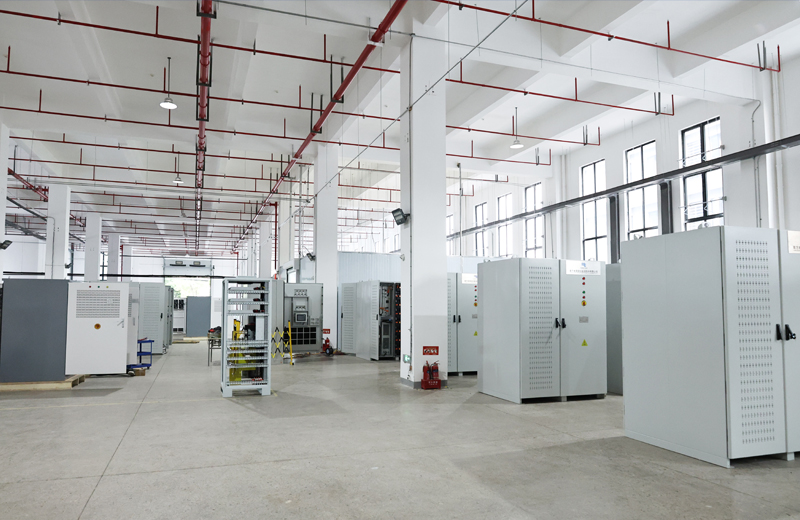
As a full-stack digital smart energy system solution provider, Qualtech has always been anchored by independent R&D and in-house manufacturing.
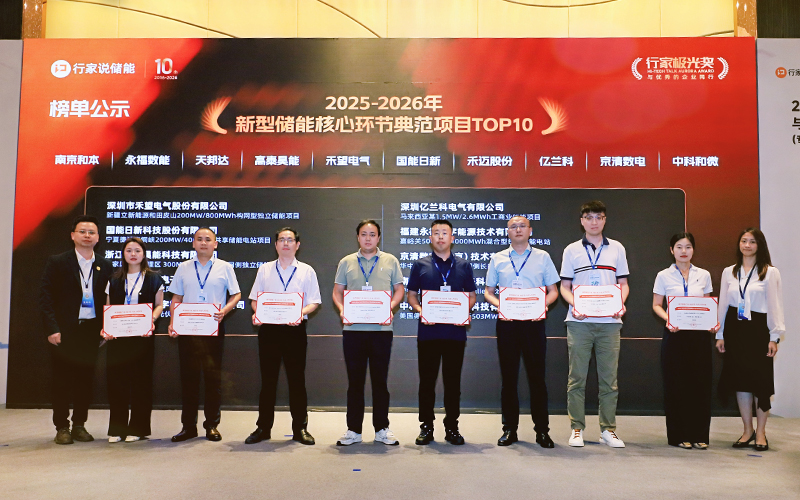
The results of the prestigious Energy Storage Industry Aurora Award have recently been announced, recognizing Qualtech's excellence in new energy storage.

The 2026 BRICS Partnership on New Industrial Revolution Forum opened recently in Xiamen, Fujian Province, centered on building a sustainable future.

From intelligent BMS controllers to complete energy storage systems — Qualtech provides every component you need for a world-class marine BESS installation.
 View More