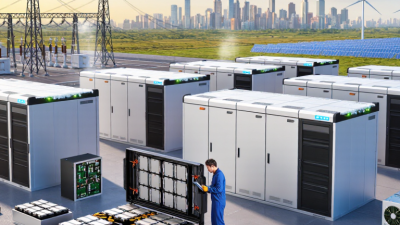
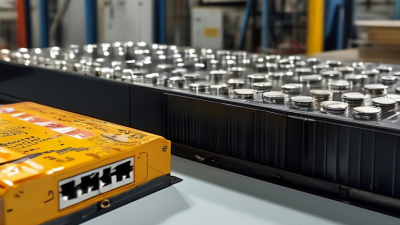
China has really turned into a giant testing ground for modern energy storage—think desert solar parks, but also packed industrial rooftops. Still, if you ask, “What’s the single best Energy Storage System?”, you’re probably going to get an answer that misleads more than it helps. The right pick depends on a bunch of things: project size, grid conditions, safety rules, financing, and how many years you expect it to run.
In the field, lithium iron phosphate batteries tend to get a lot of attention, and for good reason—they strike a decent balance between thermal stability, cost, and cycle life. CATL and BYD bring big battery platforms to utility-scale projects, while Sungrow and Huawei Digital Power offer integrated storage and power-conversion solutions. EVE Energy and CALB also show up in tough commercial and industrial jobs. But they’re not all strong in the same places. A container next to a remote solar plant? It needs reliable cooling, solid monitoring, and easy maintenance access. A factory system might care more about shaving peak demand, saving space, and getting warranty support you can count on.
And those performance numbers? Read them carefully. Claimed cycle counts can depend on temperature, depth of discharge, and how the tests were run. That detail matters. Independent certification, fire protection, software reliability, supplier track record, and local service capacity all deserve just as much attention. A cheaper system can get very expensive if replacement parts take forever to arrive or remote alarms just sit there unresolved.
No ranking stays correct forever. Prices move. Regulations change. Even manufacturers with strong reputations can run into delivery delays or uneven project execution. A comparison worth trusting should look at measured efficiency, degradation records, safety reports, warranty wording, and total lifecycle cost. This article looks at China’s leading options through that practical lens—while admitting an uncomfortable truth: the best Energy Storage System is usually the one that fits its site, its operator, and its risk tolerance most precisely.
Energy Storage Systems in China: Definition and Core Technologies
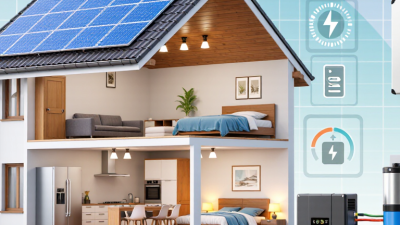
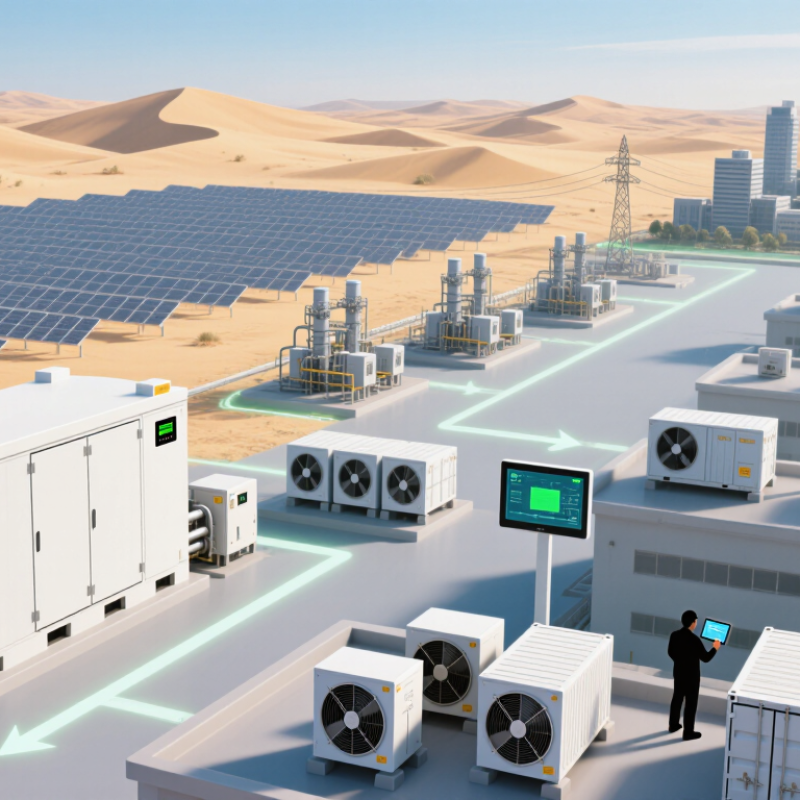
China’s energy storage system is a set of technologies that stores electricity for later use. It balances supply, demand, and grid stability. A Bess Energy Storage System usually combines batteries, power conversion equipment, control software, and safety devices. The system may charge from renewable power during low-demand hours. It can then release electricity when factories, buildings, or local grids need support.
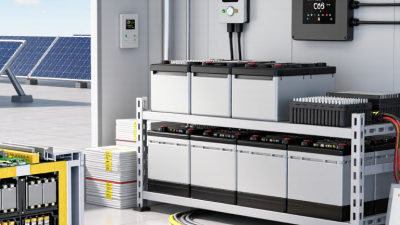
Battery energy storage is currently central to many Chinese projects. Lithium iron phosphate cells are widely selected for their thermal stability and long cycle life. The battery management system monitors voltage, temperature, and cell balance. The power conversion system changes direct current into grid-compatible alternating current. Energy management software schedules charging and discharge. Thermal control matters, especially inside large containers under strong summer heat. Small failures can become expensive lessons.
China also develops pumped hydro, flow batteries, sodium-ion batteries, and compressed-air storage. Each option fits different conditions. Engineers should compare response speed, duration, land requirements, efficiency, degradation, and recycling plans. A two-hour battery may serve frequency regulation well but struggle with overnight energy shifting. Field evaluation should include cable losses, dust, humidity, fire separation, and maintenance access. Early calculations often look cleaner than real operation. I would not call one technology universally best; local grid needs and safety evidence must guide the choice.
Key Criteria for Comparing Energy Storage Systems
What Is the Best Energy Storage System in China?
The best energy storage system depends on the project, not a single ranking. A fair comparison starts with the application. Is the system supporting solar power, reducing peak demand, or stabilizing a remote microgrid? Each purpose requires different power ratings and storage durations.
Safety should receive serious attention. Review cell chemistry, fire detection, thermal management, emergency isolation, and relevant national standards. A low purchase price means little if maintenance becomes difficult. Round-trip efficiency also matters, but published figures may use ideal conditions. Check performance at local temperatures, partial loads, and frequent cycling. Dust, humidity, and limited ventilation can change the result.
Look beyond the battery cabinet. Compare degradation rates, warranty terms, response time, usable capacity, and expected cycle life. A system with higher efficiency may still cost more over ten years. Calculate total ownership costs, including installation, monitoring, replacement parts, labor, and recycling. Service capability matters too. Can technicians respond quickly? Are spare components available locally? In project reviews, these practical details often decide reliability. No scorecard is perfect. I would also question optimistic forecasts, especially when weather data or load patterns are incomplete. A careful buyer should request test records, safety documentation, clear performance limits, and references from similar operating conditions.
What Is the Best Energy Storage System in China?
Key criteria for comparing energy storage technologies
The chart compares typical round-trip efficiency and cycle life for major energy storage technologies used or evaluated in China. Lithium-ion and sodium-ion systems generally provide high efficiency and fast response, flow batteries offer long cycle life, and pumped hydro provides very long service life for large-scale applications. Actual performance varies with system design, operating conditions, temperature, and project duration.
Leading Energy Storage Technologies Used in China
China’s leading energy storage technologies reflect a practical need: balancing rapidly growing wind and solar generation. Lithium-ion batteries dominate new energy storage because they offer fast response, modular installation, and falling costs. The China Energy Storage Alliance reported that lithium-based systems represented more than 95% of China’s new-type energy storage capacity in 2023. They are common beside solar farms, substations, and industrial parks.
The scale is already substantial. China’s National Energy Administration reported 73.76 GW of new energy storage capacity by the end of 2024, with an average duration of about 2.3 hours. A containerized battery system can respond within milliseconds, helping smooth a sudden cloud passing over a photovoltaic field. That speed matters. Yet lithium-ion systems still face thermal management, degradation, and raw-material risks.
Pumped hydro remains essential for longer-duration storage. It uses two reservoirs, moving water uphill when electricity is abundant and releasing it through turbines during demand peaks. China had more than 55 GW of pumped-storage capacity by the end of 2023, according to the International Hydropower Association. Compressed-air and flow-battery projects are also expanding, especially where four-hour or longer discharge is needed. Their commercial record is less mature. Data comparisons are not perfectly consistent, because agencies define “new energy storage” differently. That limitation deserves attention.
What Is the Best Energy Storage System in China? - Leading Energy Storage Technologies Used in China
Comparison of major energy storage technologies according to operating characteristics, application scenarios, technical maturity, and suitability for China's power system.
| Technology |
Typical Storage Duration |
Round-Trip Efficiency |
Response Time |
Typical Service Life |
Main Applications in China |
Development Status |
Best Fit |
| Lithium Iron Phosphate Battery |
1–4 hours |
88%–95% |
Milliseconds to seconds |
10–15 years; approximately 4,000–8,000 cycles depending on operating conditions |
Grid peak shaving, renewable-energy integration, frequency regulation, commercial and industrial backup power, and electric-vehicle charging infrastructure |
Commercially mature |
Most versatile option |
| Pumped-Storage Hydropower |
6–20 hours |
70%–85% |
Seconds to minutes |
40–80 years with suitable maintenance |
Large-scale daily load balancing, reserve capacity, renewable-energy absorption, and system stability support |
Mature and expanding |
Lowest-cost long-duration storage |
| Compressed-Air Energy Storage |
4–24 hours |
45%–70% |
Minutes |
30–50 years for major plant equipment |
Grid-scale energy shifting, renewable-energy balancing, and multi-hour reserve capacity |
Commercial demonstration |
Large sites with suitable geology |
| All-Vanadium Redox Flow Battery |
4–12 hours |
65%–85% |
Seconds |
15–25 years; generally more than 10,000 cycles |
Long-duration renewable-energy storage, substations, industrial parks, and applications requiring frequent cycling |
Commercial deployment |
Frequent cycling and long duration |
| Sodium-Ion Battery |
1–6 hours |
80%–92% |
Milliseconds to seconds |
8–15 years; approximately 3,000–6,000 cycles depending on chemistry and use |
Stationary storage, low-temperature environments, distributed energy systems, and cost-sensitive applications |
Early commercial stage |
Resource-diverse, cold-climate storage |
| Thermal Energy Storage |
2–15 hours |
50%–90% when used directly for thermal loads |
Seconds to minutes |
15–30 years depending on the storage medium and equipment |
Industrial process heat, district heating and cooling, concentrated solar power, and building energy management |
Established in selected sectors |
Direct heating and cooling demand |
| Flywheel Energy Storage |
Seconds to 15 minutes |
80%–95% |
Milliseconds |
15–25 years; often more than 100,000 shallow cycles |
Frequency regulation, power-quality control, railway systems, data centers, and short-duration backup |
Specialized commercial use |
High-power, rapid-response services |
| Hydrogen-Based Energy Storage |
Days to seasons |
25%–45% for electricity-to-electricity conversion |
Minutes to hours |
20–30 years for major system components |
Seasonal balancing, long-distance energy transport, industrial hydrogen demand, and renewable-energy curtailment reduction |
Developing technology |
Seasonal and multi-sector storage |
Overall assessment: Lithium iron phosphate batteries are generally the best all-purpose choice for short- to medium-duration storage in China because of their fast response, high efficiency, mature supply chain, and flexible deployment. Pumped-storage hydropower is usually better for very large systems requiring decades of service, while flow batteries, compressed-air systems, thermal storage, and hydrogen are more suitable for specific long-duration or sector-coupling requirements.
Data note: Values are representative engineering ranges compiled from commonly reported performance characteristics for utility-scale and commercial energy storage systems. Actual results vary with system design, ambient conditions, operating depth, maintenance strategy, and grid-connection requirements.
Applications Across China’s Power and Industrial Sectors
China’s best energy storage system depends on the operating scene, not a single technology. The National Energy Administration reported 73.76 GW of new energy storage capacity by the end of 2024. Its average duration was about 2.3 hours. This scale reflects rapid deployment across renewable power bases, urban grids, and industrial parks.
A Grid Energy Storage System can absorb surplus solar power at noon and discharge during the evening peak. In a western renewable-energy base, operators may value long-duration discharge and low-temperature performance. In coastal cities, fast response can support frequency control and reduce transformer stress. China Electricity Council reports show that storage utilization remains uneven across regions. That matters. Installed capacity alone can mislead.
Industrial applications are more physical. Picture a factory with motors starting at 8:00 a.m., a battery container beside the substation, and a control platform limiting short demand spikes. Storage can reduce contracted-capacity charges, stabilize voltage, and protect production from brief grid disturbances. For steel, chemicals, and data facilities, safety monitoring, thermal management, and maintenance access deserve equal attention. The Ministry of Industry and Information Technology has emphasized intelligent energy management and efficient industrial electricity use in recent policy guidance.
Still, the economics require reflection. A two-hour system may perform well under today’s tariff structure but lose value after tariff changes. Recycling, fire separation, and degraded capacity also need transparent calculations. The best design is often less impressive on paper. It is the one that matches dispatch rules, local weather, factory load curves, and real maintenance skills.
Safety, Cost, Efficiency, and Environmental Considerations
China’s best energy storage system depends on the project, not one chemistry.
Lithium iron phosphate remains attractive for grid-scale projects because it balances cost, cycle life, and thermal stability. The National Energy Administration reported 31.39 GW of new-type storage capacity in China by the end of 2023. That rapid growth also exposes weaknesses. Poor ventilation, damaged cells, and weak monitoring can turn a container into a serious fire risk. Safety must come before capacity.
Cost is falling, but the headline price can mislead.
The International Energy Agency reported that global battery pack prices fell 14% in 2023, while China recorded a larger decline. Still, owners must calculate replacement cycles, cooling electricity, land, insurance, and grid connection costs. Round-trip efficiency matters too. A system losing 15% of stored electricity may erase part of its apparent savings. Real operating data is more useful than a factory brochure.
Environmental performance needs a wider lens.
A Green Energy Storage System should use renewable electricity, responsible mineral sourcing, and a clear recycling route. Battery production still creates emissions before the first kilowatt-hour is delivered. The IEA’s Batteries and Secure Energy Transitions report identifies recycling as essential for reducing future pressure on lithium, nickel, and cobalt supplies. Yet recycling capacity, transport, and end-of-life rules vary across regions. No chemistry wins every site. That is an uncomfortable, but necessary, conclusion.
How to Choose the Best Energy Storage System in China
Choosing the best energy storage system in China starts with the site, not the sales brochure. The China National Energy Administration reported 31.39 GW of new-type energy storage capacity by the end of 2023. Its average discharge duration was about 2.1 hours. That figure matters. A factory shifting solar power into evening production needs a different system from a grid project balancing short frequency events.
Review the daily load curve in 15-minute intervals. Check peak demand, backup duration, temperature, humidity, and available floor space. A Hybrid Energy Storage System can combine batteries with other technologies when fast response and longer discharge are both required.
Ask for measured round-trip efficiency, usable capacity, degradation assumptions, and auxiliary consumption. Rated capacity alone can mislead.
Safety evidence should include thermal propagation tests, fire-control procedures, monitoring architecture, and emergency access. The International Energy Agency reported that global battery storage additions exceeded 40 GW in 2023, showing rapid deployment but also wider operating experience. Still, more installations do not remove project risk. Chinese grid-connection rules, local permitting, and after-sales response must be checked before procurement. I would compare at least three operating scenarios, including a poor-weather month. A perfect spreadsheet is rarely perfect. Insist on independently verified test data, clear warranty exclusions, spare-parts planning, and a service team that can reach the site quickly.
Conclusion
China’s energy storage sector has become an important part of the country’s transition toward a more flexible, reliable, and low-carbon power system. An Energy Storage System stores electricity and releases it when needed, helping balance renewable generation, support grid stability, reduce peak demand, and improve power quality. China uses several technologies, including electrochemical batteries, pumped storage, thermal storage, and other emerging solutions. Their development has been driven by expanding renewable energy, industrial electrification, and the need for stronger grid flexibility.
Choosing the best Energy Storage System in China depends on the intended application and a careful comparison of capacity, response speed, efficiency, operating life, safety, maintenance requirements, and total cost. Large-scale projects may prioritize long duration and grid support, while factories and commercial facilities may focus on peak shaving, backup power, and energy savings. Environmental impact, recycling potential, local conditions, regulatory requirements, and future expansion should also be considered. The most suitable solution is therefore the one that delivers dependable performance, practical economics, and safe operation for its specific use case.

 +86 17326062766
 Contact Phone
 Contact Email