Picking out the right battery storage for your solar setup isn't just about comparing capacity, price, or warranty lengths. Honestly, the most important thing is finding a system that truly matches how you use electricity, how your solar panels perform, and what kind of backup power you’re hoping for. Bigger isn’t always better, either. A larger battery might seem tempting, but it can end up costing more, taking up precious wall space, and sitting there mostly unused.
Start by thinking about your evening energy use. How much electricity do you actually need after sunset? Pay close attention during cooking, cooling, or heating water—those times can really spike your energy needs. Check your past electricity bills across different seasons, too. For example, in summer, running the air conditioner can dramatically change your numbers. Also, find out if your utility company offers time-of-use rates or charges based on demand—these details can really influence how much you save, more than what a slick brochure might suggest.
Dr. Imre Gyuk, who led the U.S. Department of Energy’s Energy Storage Research Program, once said, “Energy storage is the key to unlocking the full potential of renewable energy.” It's a good point—your storage system should support your whole energy plan, not just sit there as a standalone gadget. When evaluating options, compare usable capacity, efficiency on the round-trip, how many cycles it can handle, thermal management, and the warranty conditions. Also, double-check if the battery plays nicely with your existing inverter or if you’ll need a hybrid one. Don’t forget to ask about islanding protection, installation limits, monitoring software, and how quickly the company responds to service issues. Big brands like Tesla, SolarEdge, and Enphase each have their own approaches, but don’t just go for the name—make sure it’s the right fit for your setup. No checklist is perfect, and let’s be honest: real homes are unpredictable. Your fridge kicks on, clouds roll in, batteries age—stuff happens. So, make your choice based on realistic data, your backup needs, and keep some room to grow down the line.
Understanding How Solar Battery Storage Systems Work
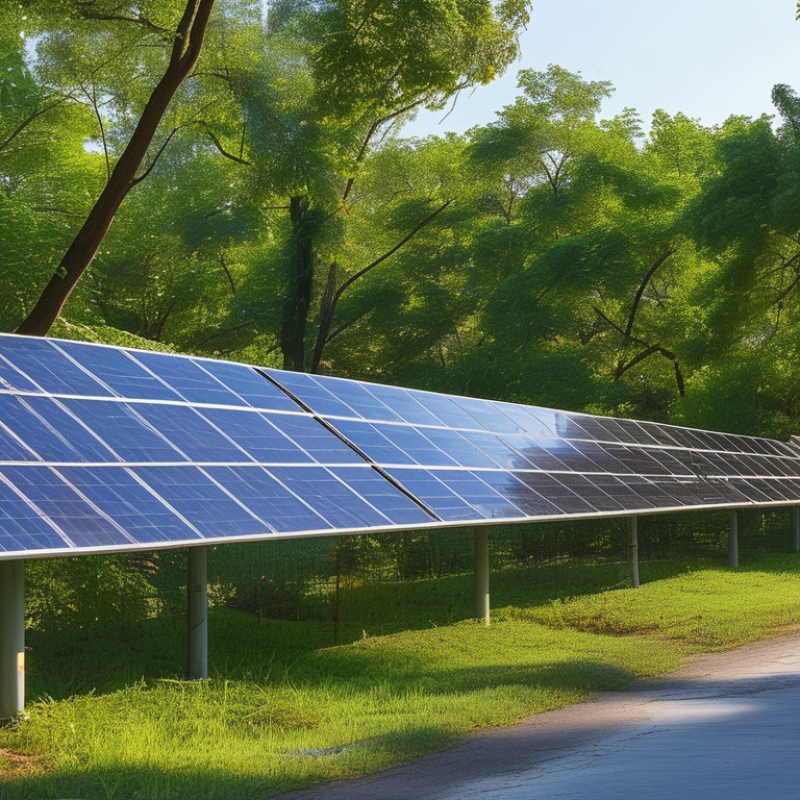
A solar battery storage system stores excess electricity generated during daylight. Solar panels produce direct current, while household appliances use alternating current. An inverter manages this conversion. A battery management system monitors voltage, temperature, and charge levels. During evening hours, stored energy flows back through the inverter. On cloudy days, the system may draw power from the grid. During an outage, a backup circuit can keep lights, refrigeration, and internet equipment running. The process sounds simple. It is not.
A Solar Hybrid Inverter System combines solar control, battery charging, and grid management in one coordinated setup. When choosing one, compare usable capacity with daily household consumption. A battery rated at 10 kilowatt-hours may provide less usable energy after reserve limits and conversion losses. Power output matters too. A system may store enough energy but struggle with a kettle, pump, and refrigerator starting together. I have seen sizing decisions based only on panel capacity. That approach can disappoint. Check round-trip efficiency, operating temperature, protection features, warranty terms, and local installation requirements. Batteries need a dry, ventilated location, not a cramped cupboard beside heat-producing equipment. Ask how the system behaves at low charge. Ask what happens when the grid fails. Some specifications look impressive, yet they leave practical gaps. Personally, I would review a full day of electricity readings before selecting battery size. Even then, usage changes. Public holidays, winter heating, and future appliances can alter the calculation.
Assessing Your Home’s Energy Use and Storage Needs
Choosing a battery storage system begins with understanding how your home uses electricity. Review at least twelve months of utility bills, including summer cooling and winter heating. Daily totals matter, but evening demand matters more when solar production stops.
List essential appliances separately. Refrigerators, medical equipment, lighting, internet equipment, and heating controls may need backup power. A large oven or electric vehicle charger can quickly consume available storage. Check each appliance’s wattage and estimate its running time during an outage. A simple spreadsheet is useful. It is not perfect, but it reveals hidden loads.
Tips: Track electricity use for seven typical days. Note the time of each high-energy activity. Compare sunny and cloudy days. Ask a qualified installer to verify your calculations, battery placement, ventilation, and electrical compatibility. Battery capacity is measured in kilowatt-hours, while output power is measured in kilowatts. You need both figures. A battery may store enough energy but still struggle to start a pump or heating system.
Consider how much solar energy your home exports during daylight. If your evening use is modest, a smaller battery may provide better value than maximum storage. If outages are frequent, reserve capacity becomes more important. Leave room for uncertainty. Weather changes, household routines shift, and estimates can be wrong. That is normal. Recheck the design after reviewing real consumption data and the manufacturer’s certified performance information.
Comparing Battery Types, Capacities, and Performance
Choosing a battery for Solar Energy Storage requires more than checking its advertised capacity. Battery chemistry changes safety, lifespan, weight, and daily performance. Lithium iron phosphate batteries generally offer strong cycle life and stable operation. Nickel-based lithium batteries can provide higher energy density, but temperature management deserves closer attention. Lead-acid systems cost less initially, yet their usable capacity and service life are often lower.
Capacity should match your evening loads, not your entire household wish list. A home using 8 kilowatt-hours after sunset may need a larger battery during cloudy periods. However, usable capacity matters more than the headline number. Check the recommended depth of discharge, round-trip efficiency, and continuous output. A battery may store plenty of energy but struggle when a heat pump and kettle start together. Small details matter.
Performance also depends on installation conditions. A shaded, ventilated location can reduce heat-related losses. Review cycle ratings, warranty conditions, monitoring data, and maintenance requirements with a qualified installer. In practical assessments, consumption estimates are often too optimistic. Mine would be, too, without checking winter heating records. A neat spreadsheet can still be wrong. Leave reasonable reserve capacity for aging, unexpected outages, and several dull days.
How to Choose a Battery Storage System for Solar? — Comparing Battery Types, Capacities, and Performance
| Battery Type |
Typical Modular Capacity |
Usable Depth of Discharge |
Round-Trip Efficiency |
Typical Cycle Life |
Energy Density |
Temperature Considerations |
Main Advantages |
Main Limitations |
Best-Fit Solar Applications |
| Lithium Iron Phosphate (LFP) |
5–20 kWh per module; systems commonly scale from approximately 10 kWh to 200+ kWh |
80–95% |
90–98% |
Approximately 4,000–8,000 cycles |
About 90–160 Wh/kg |
Charging below 0°C may require battery heating or charging limits. High temperatures can accelerate aging. |
Long service life, high efficiency, strong thermal stability, low maintenance, and good daily-cycling performance |
Higher upfront cost than lead-acid; heavier and less energy-dense than some other lithium chemistries |
Daily solar self-consumption, whole-home backup, time-of-use shifting, and commercial storage |
| Nickel Manganese Cobalt (NMC) |
5–15 kWh per module; systems commonly scale from approximately 5 kWh to 100+ kWh |
80–95% |
90–97% |
Approximately 2,000–5,000 cycles |
About 150–250 Wh/kg |
Requires careful thermal management. Charging and operation outside the specified temperature range can reduce safety and lifespan. |
High energy density, compact footprint, and strong power capability |
Generally shorter cycle life than LFP; greater sensitivity to heat and operating conditions |
Space-constrained installations, mobile or backup systems, and applications requiring high power in a compact enclosure |
| Absorbent Glass Mat Lead-Acid (AGM) |
Approximately 2–10 kWh per battery bank; larger systems require additional parallel strings |
50–80% |
75–85% |
Approximately 500–1,200 cycles |
About 30–50 Wh/kg |
Low temperatures reduce available capacity. High temperatures significantly shorten service life. |
Established technology, simple control requirements, wide availability, and lower initial purchase cost |
Heavy, less efficient, slower to charge, and more sensitive to deep discharges; requires more replacement over time |
Occasional backup, small off-grid systems, and projects where upfront cost is more important than lifetime energy cost |
| Vanadium Redox Flow |
Typically 10–100+ kWh; capacity can be increased by enlarging the electrolyte tanks |
70–85% |
65–85% |
Approximately 10,000–20,000 cycles |
About 15–35 Wh/kg |
Usually needs a controlled environment and auxiliary pumps. Very low temperatures can affect electrolyte performance. |
Very long cycle life, minimal capacity degradation, excellent suitability for frequent deep cycling, and low fire risk |
Large footprint, lower efficiency, higher balance-of-system complexity, and limited suitability for small residential installations |
Commercial and utility-scale solar farms, long-duration storage, and applications with frequent deep daily cycling |
Selection guidance: For most residential solar systems, compare usable capacity rather than nominal capacity, verify the continuous and peak power ratings, confirm the usable depth of discharge and warranty conditions, and check whether the battery can operate safely within the local temperature range. Performance figures are typical industry ranges and vary with system design, temperature, charging rate, and maintenance.
Checking System Compatibility with Solar Equipment
Choosing a battery storage system for Solar Energy starts with compatibility, not capacity. The IEA’s Batteries and Secure Energy Transitions report recorded about 42 GW of new battery storage additions worldwide in 2023. More systems are arriving, but compatibility problems remain common.
Check whether the battery uses AC or DC coupling. An AC-coupled system often suits an existing solar installation. A DC-coupled system can reduce conversion losses in a new installation. Confirm the inverter’s voltage range, maximum current, continuous output, and short-term surge rating. A battery may store 10 kWh, yet deliver too little power for a pump or refrigerator. Small details matter.
Read the inverter and battery communication requirements carefully. Some systems need specific data cables, firmware, or controlled charging signals. The U.S. National Renewable Energy Laboratory’s Storage Futures Study highlights the growing value of flexible storage as solar generation increases. That flexibility depends on accurate control. During a site check, technicians should inspect meter direction, phase balance, backup-load wiring, and shutdown behavior. A reversed current transformer can produce misleading readings. It happens.
Do not trust capacity figures alone. Check usable capacity, round-trip efficiency, operating temperature, and warranty conditions. A garage can reach uncomfortable heat in summer. A spreadsheet may still miss that. I would also test the system during a simulated outage, because normal operation can hide weak transfer controls. Compatibility is not perfectly predictable from product sheets; field conditions sometimes force a second review.
Evaluating Safety, Installation, Warranty, and Maintenance
Choosing a battery storage system starts with safety, not storage capacity. Ask for documented testing, thermal management details, and clear shutdown procedures. The enclosure should resist moisture, dust, and accidental contact in its planned location. Keep batteries away from heaters, narrow exits, and areas prone to flooding. Ventilation requirements vary. Read them carefully. A Hybrid Solar Inverter may simplify energy control, but compatibility must be verified with the battery and home wiring. Have a qualified electrician inspect cable routes, protection devices, grounding, and local permit requirements. A neat installation is not automatically a safe one.
Installation quality affects performance long after commissioning. The installer should record settings, test emergency isolation, and explain warning indicators in plain language. Request a handover file with diagrams, serial records, inspection dates, and operating limits. This paperwork becomes valuable when support staff change. Leave working clearance around the unit for inspection and airflow. I would also check the floor or wall structure before delivery; heavy equipment can expose weak assumptions. That step is easy to miss.
Warranty terms deserve slow reading. Compare coverage length, cycle limits, capacity-retention promises, labor coverage, and exclusions for poor installation. Clarify who handles transport if the battery fails. Maintenance should include visual checks, software updates, connection inspections, and reviews of unusual temperature or noise. Do not open the enclosure yourself. Keep logs of outages and performance changes. A monthly check may be practical, though service guidance and site conditions should decide the schedule. Some advice sounds reassuring but remains vague. Ask for measurable thresholds and written support channels before signing.
Calculating Costs, Savings, and Long-Term Value
A battery storage system should be judged by its financial behavior, not its advertised capacity. Start with twelve months of electricity bills, solar production records, and evening consumption. These figures reveal how much energy you can actually use.
A 10-kilowatt-hour battery may deliver only 9 kilowatt-hours after reserve limits. Suppose stored solar replaces electricity costing $0.24 per kilowatt-hour. Its daily value is about $2.16 before degradation and maintenance. At 300 cycles annually, that equals roughly $648 in gross savings. A $9,000 installation would therefore need many years to recover its cost. That is a warning, not a promise. Savings may improve where evening prices are high or demand charges apply.
Request itemized quotes from qualified installers. Check usable capacity, round-trip efficiency, warranty conditions, replacement parts, and installation labor. Ask how performance changes after ten years. Also examine local incentives, financing interest, and possible electrical upgrades. I once built a quick payback spreadsheet using optimistic cycle numbers. The result looked excellent. Adding winter production losses made it far less attractive. Your assumptions need testing. A reliable comparison should include battery degradation, changing electricity prices, and the value of backup power. Some households accept a slower payback for emergency resilience. Others prefer a smaller system with stronger daily usage. Keep a reserve for outages, but do not pay for capacity that usually sits untouched.
How to Choose a Battery Storage System for Solar?
Illustrative 15-year economics for a 10 kWh usable home battery. The model assumes a $9,000 installed cost, 90% round-trip efficiency, 300 equivalent full cycles per year, a $0.20/kWh solar-to-grid value spread, $100 annual maintenance, and a $4,500 replacement in Year 12.
Annual net savings are estimated after maintenance. Cumulative net value includes the initial installation cost and the assumed Year 12 replacement. Actual results depend on electricity tariffs, solar output, cycling frequency, financing, incentives, and battery life.
FAQS
: Review at least twelve months of electricity bills, including heating and cooling periods. Track seven typical days. Note high-energy activities and evening consumption.
List refrigerators, medical equipment, lighting, internet devices, and heating controls separately. Large ovens and electric vehicle chargers may quickly use available storage.
Kilowatt-hours measure stored energy. Kilowatts measure power delivered at one moment. You need both figures for reliable planning.
No. A smaller battery may offer better value when evening electricity use is modest. Frequent outages require more reserve capacity. Maximum storage is not automatically practical.
AC coupling often suits existing solar equipment. DC coupling may reduce conversion losses in a new installation. The right choice depends on the installation.
Confirm voltage range, maximum current, continuous output, and surge capability. Check communication cables, firmware, and charging controls. Small details matter.
Yes. A battery may store enough energy but struggle to start a pump or heating system. Check surge ratings and backup-load wiring carefully.
Ask a qualified installer to inspect placement, ventilation, meter direction, phase balance, and electrical compatibility. Test a simulated outage. Normal operation can hide weak transfer controls.
Review usable capacity, round-trip efficiency, operating temperature, and warranty conditions. A garage may become extremely hot in summer. Real conditions can expose planning errors.
Conclusion
Choosing the right Battery Storage System For Solar begins with understanding how stored energy supports your home when sunlight is limited or electricity demand is high. Start by reviewing your daily and seasonal energy use, identifying essential appliances, and deciding how much backup power and energy independence you need. Then compare battery types, usable capacity, power output, efficiency, lifespan, and operating performance to find a system that matches your household requirements.
Compatibility is equally important, so confirm that the battery works properly with your solar panels, inverter, monitoring equipment, and electrical setup. Before making a decision, evaluate installation requirements, safety features, warranty coverage, maintenance needs, and available support. Finally, calculate the full cost, including equipment, installation, replacement expectations, and energy savings over time. A system with a higher initial price may provide better long-term value if it offers reliable performance, efficient energy use, and durable service.

 +86 17326062766
 Contact Phone
 Contact Email