Leave Your Message
0%

When a blackout hits, the whole question changes. You're no longer asking how many solar panels you need—you're suddenly focused on which lights, outlets, and appliances absolutely can't be without power. Solar backup systems for homes typically include panels, an inverter, and battery storage, but here's the catch: they only work well if you size them right. And to give you an idea of why this matters, the U.S. Energy Information Administration found that in 2022, the average American customer dealt with about 5.5 hours of power interruptions, and that's counting major events. Alright, that national average? It's nice for context, but honestly, it's not a prediction for any single home. What actually matters is the outage history right around you.

Energy analyst Amory Lovins, who co-founded the Rocky Mountain Institute, famously reminded us that the cheapest energy is the one we don't use. That's a pretty solid starting point, right? Before you go comparing battery sizes, take a step back and think about what you actually need to keep running. A fridge, your router, and a couple of lights? That's a whole different ballgame than trying to power electric heating or central AC. So yeah, start with the essentials. So when you're checking out these systems, you really want to look at the usable kilowatt-hours, inverter output, how it handles motor-starting surge, solar recharge capability, and whether it can safely disconnect from the grid. Honestly, the small stuff matters more than you'd think. You know, a lot of Battery Power Storage Systems might look the same on a product page, but they can be totally different when you get into backup duration, expansion options, warranty terms, and installation requirements. It's the little things that catch you off guard. First things first, ask for a load assessment and make sure you get the written assumptions—especially for cloudy days. A perfect estimate? Yeah, that's basically a myth. So instead of settling for a glossy promise, push for an honest, real talk about that uncertainty. A qualified installer will sit down with you and walk through what actually stays on, for how long, and what happens when the battery finally runs dry.
How to Choose Solar Power Backup Systems for Homes

Understanding How Home Solar Backup Systems Work

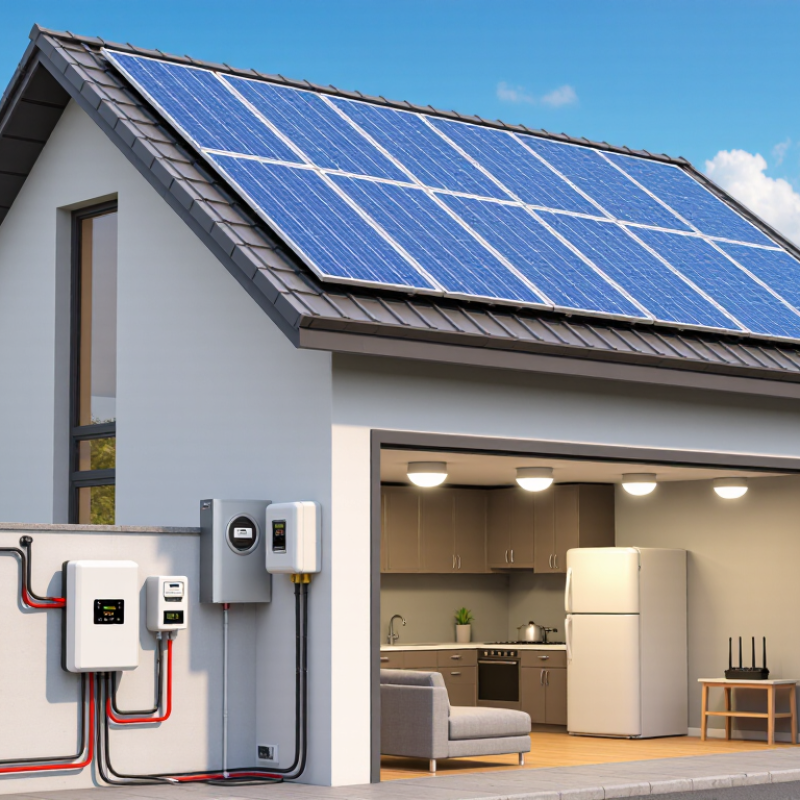
Home solar backup systems store surplus electricity for later use. During sunny hours, panels produce direct-current power. An inverter converts it into household alternating current, while a battery stores energy not immediately needed. During an outage, a transfer device can isolate selected circuits and let the battery supply them. The exact setup varies. Not every system powers the whole home.

Picture a refrigerator cycling, a modem staying on, and a few lights glowing after sunset. These devices draw energy at different rates. Battery capacity describes how much energy is stored; inverter output limits how many devices can run at once. A large battery cannot compensate for an undersized inverter. Some systems also need sunlight or another charging source after several cloudy days. Backup time is an estimate, not a promise. It depends on weather, battery condition, and usage. Small details matter.

Tips: List the devices you truly need during an outage, then check their wattage and expected run time. Ask a qualified installer to explain which circuits receive backup power. Leave room for uncertainty; real household use rarely follows a perfect estimate.

Assessing Household Loads and Backup Priorities

Choosing a home backup system begins with a load list, not a battery quote. The U.S. Energy Information Administration reports average residential electricity use of about 10,791 kWh in 2022, or 29.6 kWh per day. That is useful context, not a household target: a short outage may call for far less energy than running every appliance overnight.

Record each essential device’s wattage and expected hours of use. A refrigerator may cycle on and off, while a well pump or air conditioner can create a sharp startup surge. Separate continuous power, measured in watts, from stored energy, measured in kilowatt-hours. Then decide what must stay on: refrigeration, selected lights, communications, or critical equipment. A Solar Power Hybrid Inverter should match those loads and their starting surge, not just the battery’s advertised capacity. I have seen neat spreadsheets miss one awkward detail: winter heating can change the whole plan.

Tips: Test the setup before an outage. Note which circuits matter, and estimate backup hours using actual usage where possible. Keep a margin; real conditions rarely follow the worksheet exactly.

Sizing Battery Capacity and Solar Generation

Sizing begins with the circuits you actually need during an outage. List the refrigerator, lights, internet equipment, and any medical or heating devices. Estimate each item’s daily energy use in kilowatt-hours, using its label or a plug-in meter. Small loads add up.

For example, a household using 6 kWh each day for essential loads needs more than 6 kWh of battery capacity. Allow for conversion losses and avoid assuming every battery’s full stated capacity is usable. Check the usable-capacity figure in the technical documentation. If you want two days of backup, multiply the daily load accordingly, then include a sensible reserve. The estimate is still an estimate; habits and weather can change it.

Solar generation should be checked against local conditions, not just panel ratings. A 5 kW array receiving 3.5 peak-sun hours, with about 25 percent combined losses, might produce roughly 13 kWh on a suitable day. Winter output may be much lower, especially with shade or snow. Compare seasonal production with household use and the energy needed to recharge the battery. Electricity Storage Systems also have a power limit: capacity tells you how long energy may last, while inverter output determines which appliances can run together. A kettle and pump can create a brief high demand. Check their starting loads, too. I would revisit the numbers after tracking real usage; the first spreadsheet is rarely perfect.

Comparing System Types and Key Components

Choosing a backup system starts with the loads you need during an outage. A refrigerator, a few lights, and a modem require less power than electric heating or a well pump. Write down each appliance’s running wattage and note which devices draw extra power when starting. That detail can change inverter sizing.

Battery-based Electric Energy Storage Systems store solar electricity for use after sunset or during a grid failure. AC-coupled systems can suit homes with existing solar equipment, while DC-coupled systems connect panels and batteries through a shared inverter setup. Hybrid inverters may manage solar, battery, and grid power in one unit. Yet not every solar inverter can keep panels operating during an outage; islanding capability and a compatible transfer mechanism matter. Details matter.

Compare battery capacity, measured in kilowatt-hours, with inverter output, measured in kilowatts. Capacity estimates how long stored energy may last; output limits how many appliances can run at once. A critical-loads panel can separate essentials from high-demand circuits. Lithium-based batteries are common, but usable capacity, temperature limits, and warranty terms vary by system. A neat load estimate can still miss a pump’s startup surge, so review appliance labels and have a qualified installer check the design.

Evaluating Installation, Safety, and Local Requirements

How to Choose Solar Power Backup Systems for Homes

Evaluating installation, safety, and local requirements starts with a realistic picture of what must stay on during an outage. List essential loads, such as a refrigerator, a few lights, and medical equipment, then check their startup and running power. Household Energy Storage Systems vary in capacity, so a large battery is not automatically the right fit. Small details matter. A pump or heater can change the calculation.

Before installation, ask a qualified electrician to assess the panel, wiring, battery location, and transfer equipment. Keep required clearances and access paths unobstructed, and follow the equipment’s installation instructions. Avoid placing batteries where heat, moisture, or accidental impact could create hazards. It is tempting to focus on backup duration alone, but safe integration with the home’s electrical system matters just as much. A site visit may reveal constraints that a product brochure misses.

Local requirements differ. Check with your building department and utility about permits, inspections, grid connection, and any rules for exporting power. Some areas may require specific equipment or documentation; others may apply different procedures. Ask for requirements in writing where possible, and confirm who will arrange inspections. Plans can change. Even a neatly wired system may need revisions if the panel, property layout, or local process was misunderstood.

Estimating Costs, Incentives, and Long-Term Maintenance

Estimate the loads you need during an outage, not the whole house by default. A refrigerator, a few lights, and a modem need less capacity than electric heating or a well pump. EnergySage’s 2024 Solar & Storage Marketplace Report put average battery pricing at about $1,133 per kilowatt-hour. A 10-kWh system would therefore cost roughly $11,330 at that rate, before add-ons. Actual quotes vary with installation, usable capacity, electrical-panel work, and local labor. Small details matter.

Compare incentives carefully. Utility rebates, state programs, and tax rules can change, and eligibility may depend on system ownership, location, or installation date. Check current terms with the relevant government or utility office before reducing your budget. Ask installers to separate equipment, labor, permits, and any incentive assumptions on the quote. A spreadsheet can still miss a panel upgrade.

Include maintenance and replacement in the long view. Ask for the battery’s usable-capacity warranty, expected service life, and conditions that void coverage. Keep vents clear, watch for app alerts, and follow the installer’s inspection schedule; do not open electrical equipment yourself. Set aside funds for future repairs or replacement, including the inverter if it is a separate component. The exact timing is hard to predict. A modest reserve is more honest than assuming zero upkeep.

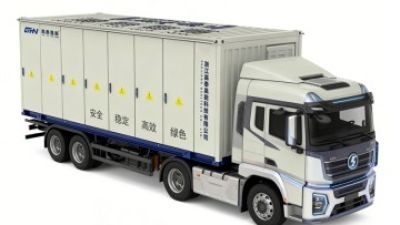
China Mobile Energy Storage Vehicles: Truck-Mounted BESS for Emergency and Off-Grid Power

Truck-mounted mobile battery energy storage systems bring dependable electricity to places where grid access is limited or unavailable. Built for off-grid operations and emergency response, this China-manufactured BESS integrates a battery management system (BMS), energy management system (EMS), power conversion system (PCS), thermal management, and fire suppression. Together, these systems help manage battery operation and support reliable power delivery in demanding environments.

The unit offers 380V and 220V AC and DC output for a range of equipment and applications. It can support construction sites, outdoor events, disaster relief operations, and temporary grid contingency needs, with a mobile design that allows power to be deployed where it is needed. Compared with traditional diesel generators, the system can reduce CO₂ emissions by up to 90%, helping users lower the environmental impact of temporary power. As a factory-direct solution from China, it offers a practical option for organizations seeking flexible, lower-emission energy storage for mobile and emergency use.

FAQS

How does a home solar backup system work?

Solar panels produce direct-current electricity. An inverter converts it for household use, while a battery stores surplus power. During an outage, a transfer device can supply selected circuits.

Will a backup system power my entire home?

Not always. Many systems support only selected circuits, such as a refrigerator, modem, and several lights. Ask which circuits the design includes.

What is the difference between battery capacity and inverter output?

Battery capacity, measured in kilowatt-hours, indicates how much energy is stored. Inverter output, measured in kilowatts, limits how many devices can run at once. They serve different purposes.

How can I estimate which appliances the system can support?

List essential devices and check their running wattage and expected use. Also note startup surges, especially for pumps. Small details matter.

What is the difference between AC-coupled and DC-coupled systems?

AC-coupled systems may suit homes with existing solar equipment. DC-coupled systems connect panels and batteries through a shared inverter setup. Compatibility depends on the existing equipment.

Can solar panels keep working during a grid outage?

Not necessarily. The system needs islanding capability and a compatible transfer mechanism to operate safely off-grid. Check the design with a qualified installer.

How long will a battery provide backup power?

Backup time depends on stored energy, appliance use, weather, and battery condition. Several cloudy days may limit recharging. An estimate is not a promise.

What should I review before choosing a system?

Compare usable battery capacity, inverter output, temperature limits, and warranty terms. Ask an installer to check the circuits and appliance startup needs. A tidy estimate can still be wrong.

Conclusion

Choosing Solar Power Backup Systems For Homes starts with understanding how stored solar energy can supply essential circuits when grid power is unavailable. List household appliances, estimate their power use and runtime, and decide which loads are priorities, such as refrigeration, lighting, communications, or medical equipment. These choices guide battery capacity and help determine whether solar panels can recharge the system quickly enough for your needs.

Compare system configurations and components, including batteries, inverters, and transfer equipment, while considering how they fit your home and existing electrical setup. Have installation requirements, electrical safety, and local permitting or utility rules reviewed by qualified professionals. Finally, estimate the full cost of equipment and installation, check for applicable incentives, and account for ongoing maintenance and battery replacement over time. A well-planned system balances reliable backup, practical capacity, and long-term affordability.
Ethan

Ethan

Ethan is a dedicated marketing professional at a national high-tech enterprise recognized for its leadership in the new energy vehicle Battery Management System (BMS) and energy storage BMS sub-markets in China. With a strong expertise in innovative technologies and industry trends, he plays a......
Previous Why Choose Solar Energy Battery Storage for Global Buyers?