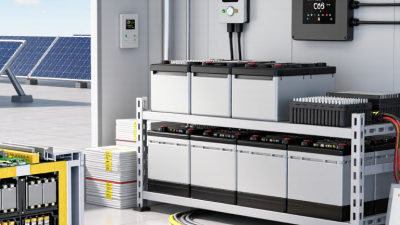
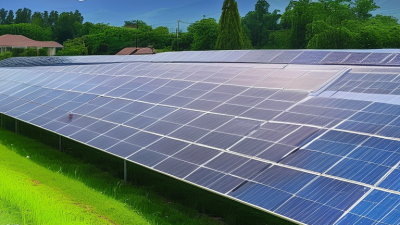
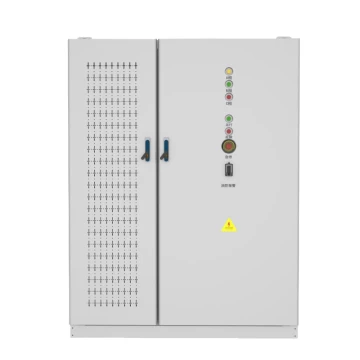
Picking a Hybrid Inverter isn't just about specs — it's really about how you actually use energy day to day. The right one can tie your solar panels, battery storage, and the grid together into one smooth system. But honestly, those features only matter if they actually make sense for your home, your budget, and what you need backup for.
Alright, let’s start with your electricity bill—actually look at the details. You’ll want to jot down your daily usage, peak loads, and the appliances that really need to stay on during an outage. Here’s the thing: a refrigerator might not use a ton of energy over a full day, but when its motor starts up, it needs an extra kick of power. Then you’ve got things like a well pump or workshop tool, and those add a completely different kind of demand. Small stuff matters, too. And hey, estimates? They can be off.
Alright, so when you're picking an inverter, you really need to look at more than just the price tag. Start with the basics—continuous output, surge capacity, how much solar input it can handle, battery compatibility, and conversion efficiency. And make sure it actually works with the battery chemistry and voltage you have in mind, otherwise you're setting yourself up for headaches later. Then there are the things people often forget: monitoring, operating temperature range, warranty terms, and whether you can actually get tech support when something goes wrong. Sure, a cheap unit might catch your eye, but don't forget installation costs and replacement parts—those add up fast. Honestly, there's no one-size-fits-all inverter, so it's all about matching it to your setup.
Before you commit to anything, it’s really worth digging into the manufacturer’s datasheet—don’t just skim the product summaries. Also, get a qualified installer to look at your wiring, what loads you’re likely to run, and the conditions at your site. Local electrical codes can throw a wrench in your plans, too. And hey, if you’re not sure what you actually need, it’s better to admit that upfront than pretend otherwise. Oversizing without a solid reason? You’ll probably just burn money. Undersize, though, and your backup might not deliver when you need it. The goal is something that works for your daily life, not a spec sheet that looks impressive on paper.
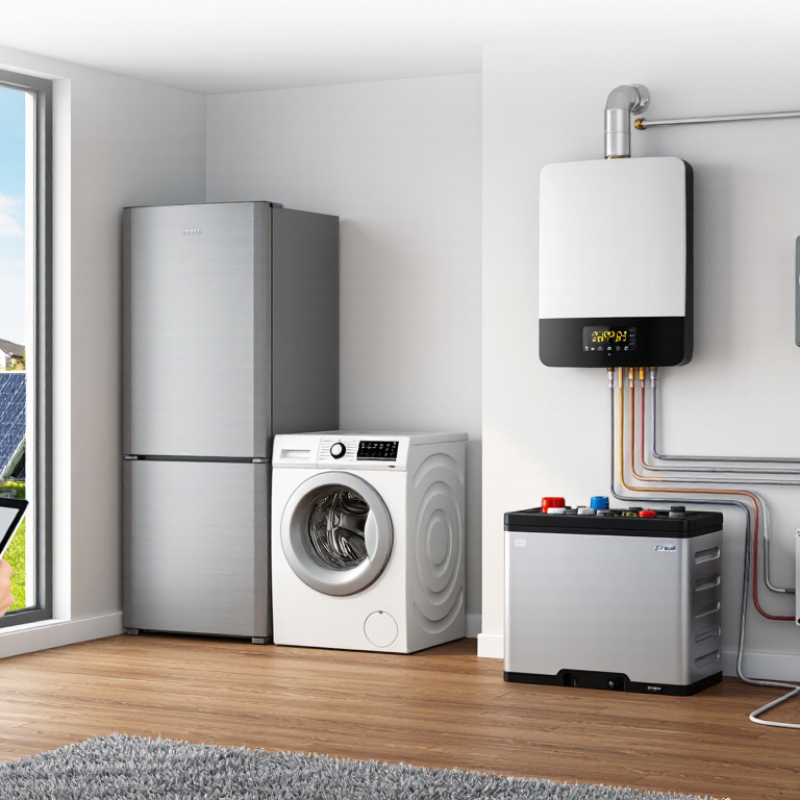
Understanding How a Hybrid Inverter Works
A hybrid inverter sits between solar panels, a battery, household circuits, and sometimes the utility grid. Panels produce direct current (DC); the inverter converts it into alternating current (AC) that appliances can use. Its control system also tracks the panels’ maximum power point, adjusting their electrical load as sunlight changes. Clouds pass. Output shifts.
When solar production exceeds household demand, the inverter can direct surplus energy to a compatible battery or export it, depending on system settings. After sunset, stored DC power is converted back to AC for home use. A Hybrid Pv Inverter may combine these functions in one unit, but backup power is not automatic: islanding protection, transfer equipment, and supported circuits determine what stays on during an outage. The IEA’s Renewables 2024 report recorded nearly 510 GW of renewable capacity additions in 2023, with solar accounting for the largest share. That rapid growth makes clear system control increasingly relevant.
For choosing a unit, check its continuous output, surge capacity, battery compatibility, and whether it can form a stable backup supply. A refrigerator compressor may briefly draw far more power at startup than its running label suggests. Match inverter capacity to real loads, not just the panel rating. One caveat: household use rarely follows a neat daily pattern, so estimates can be wrong. Review interval-meter data if available, and leave room for uncertainty.
How to Choose the Right Hybrid Inverter for Your Needs
Understanding how a hybrid inverter works starts with estimating the power your appliances use at the same time. Compare their combined running load with the inverter’s continuous power rating, and allow extra capacity for startup surges from motor-driven appliances.
Representative running-power estimates only; actual consumption varies by appliance model and operating conditions. Check appliance labels and manufacturer specifications when sizing a system.
Assessing Your Energy Use and Backup Requirements
Choosing a hybrid inverter starts with an honest picture of how your home uses electricity. Check utility bills for monthly energy use, then note which appliances run at the same time. A refrigerator, router, and a few lights may need modest power; a well pump or air conditioner can add a sharp starting surge. Daily energy and peak power are different measurements. Keep them separate.
Walk through a typical evening and a difficult outage scenario. List the essentials you want running, their wattage, and expected hours of use. For example, a 100-watt refrigerator running intermittently does not draw 100 watts every minute, but its compressor may briefly demand more when starting. Add those short surges when checking inverter capacity. Numbers can surprise. A small spreadsheet helps, though appliance labels and real use rarely match perfectly.
Decide how long backup should last without sunlight: a few hours, overnight, or longer through cloudy weather. Multiply each essential load by its expected running time to estimate required energy, then allow for conversion losses and avoid planning to drain a battery completely. Check that the inverter’s continuous output, surge rating, battery compatibility, and solar input range suit the system. My first estimate might still be wrong; seasonal heating or extra guests can change the picture. Revisit the list after a week of actual readings, and question any load you marked “essential” out of habit.
Checking Compatibility with Solar Panels and Batteries
A Hybrid Solar Inverter must match the electrical limits of both your solar array and battery. Start with the panels’ open-circuit voltage and operating current. Check these against the inverter’s maximum DC voltage, input current, and MPPT operating range. Cold weather can raise panel voltage, so use the local design temperature when checking a series string. Small details matter.
Also compare the array’s total wattage with the inverter’s permitted solar input. Some systems allow more panel capacity than the inverter’s AC output, but the manufacturer’s limits still apply. If panels face different directions or receive uneven shade, check whether separate MPPT inputs can handle those strings. A neat-looking layout is not always an electrically suitable one.
Battery compatibility needs equal care. Confirm the battery’s nominal voltage, chemistry, maximum charge and discharge current, and usable capacity. Then verify that the inverter supports its battery management system and communication method; matching voltage alone is not enough. Do not guess. A mismatch may prevent charging or limit backup power. I would also check the inverter’s backup output rating against the actual loads, such as a refrigerator and lights, rather than assuming the whole home can run during an outage. If a specification is unclear, ask a qualified installer to review the equipment manuals and proposed wiring before purchase.
Comparing Inverter Capacity, Efficiency, and Features
Choosing a hybrid inverter starts with the loads you actually use, not the largest number on a product sheet. Add the running wattage of essentials such as a refrigerator, lights, and a router. Then check their startup demand; a fridge compressor may briefly draw much more power. Compare that surge with the inverter’s surge rating and duration. A little headroom helps, but oversizing can raise costs without improving daily performance.
Efficiency matters most across the power range you use often. An inverter rated highly under ideal conditions may perform differently during cloudy mornings or light evening loads. Review efficiency curves, standby consumption, and conversion losses when charging or discharging a battery. Inverter Solar Hybrid systems also need compatible voltage ranges and charging limits across the panels, battery, and household supply. Small mismatches can restrict output. Check the specifications carefully.
Features should fit your routine. If outages are common, confirm how quickly backup power switches on and which circuits it can support. For a home office, even a brief interruption may matter; for occasional garden lighting, it may not. Monitoring can reveal battery state and daily solar production, though readings are only useful if you check them. I would also leave room for future panels or storage, but not assume expansion will be simple. Some details are easy to overlook. Capture the actual appliance labels and ask a qualified installer to verify the planned system against them.
How to Choose the Right Hybrid Inverter for Your Needs — Comparing Inverter Capacity, Efficiency, and Features
| Typical System Size |
Rated AC Capacity |
Peak Conversion Efficiency |
Typical PV Inputs |
Battery Configuration |
Backup Output Considerations |
Often Suited To |
| Small residential |
3–5 kW |
About 96–98% |
Usually 2 MPPTs; suitable PV input depends on the model and string design |
Commonly a 48 V low-voltage battery system |
May support essential loads; check continuous output, surge rating, and backup transfer time |
Smaller homes, modest solar arrays, or essential-load backup |
| Medium residential |
6–8 kW |
About 96–98% |
Often 2 MPPTs, with some models offering more for flexible array layouts |
Available in low-voltage or high-voltage battery versions |
Can cover more household circuits when the inverter, battery, and backup wiring are sized accordingly |
Average-sized homes with higher daytime use or broader backup needs |
| Large residential |
10–12 kW |
About 97–98% |
Often 2–4 MPPTs; verify the number of inputs and allowable PV voltage and current |
Frequently paired with a high-voltage battery, though designs vary |
Higher capacity can support larger loads, but motor-starting surges and phase configuration still matter |
Large homes, larger PV arrays, or homes with substantial electrification loads |
| Three-phase residential or small commercial |
10–20 kW |
About 97–98% |
Often multiple MPPTs for separate roof orientations or array sections |
Typically designed for compatible high-voltage battery systems |
Confirm three-phase backup support, phase balance limits, and whether whole-site backup is available |
Three-phase properties or sites with larger, distributed loads |
Selection note: These are representative ranges, not specifications for every inverter. Peak efficiency is a laboratory maximum and may differ from real-world performance. Before choosing, check the datasheet for continuous and surge output, battery compatibility, MPPT voltage and current limits, backup operation, and local electrical requirements.
Evaluating Installation Needs, Safety, and Total Cost
Choosing a Hybrid Power Inverter starts with your actual installation, not the largest capacity you can afford. List the appliances you need during an outage, including their starting demands. A refrigerator, for example, may briefly draw more power when its compressor starts. Check that the inverter supports your battery voltage, solar array, and essential loads. Have a qualified installer assess wiring, grounding, ventilation, and clearances. These details matter. A cramped utility closet can trap heat, while poor electrical connections can create hazards.
Tips: Photograph your switchboard and note appliance ratings before requesting quotes. Ask how the system isolates backup circuits and what happens when the battery is depleted. Small questions can reveal big assumptions.
Compare total cost, not just the inverter’s purchase price. Include batteries, installation, electrical upgrades, permits where required, commissioning, and likely maintenance. Ask for itemized estimates and written warranty terms. Also check whether the system can be expanded if your needs change. A cheaper setup may cost more if it cannot serve your critical circuits or needs rewiring later. It is tempting to size for every possible future use, but that can raise costs without much benefit. Revisit your load list before deciding.
Matching Inverter Types to Your Home or Off-Grid Setup
For a grid-connected home, choose a hybrid inverter that can manage solar, batteries, and grid power while keeping selected circuits running during outages. List the essentials: refrigerator, internet router, lights, and perhaps a sump pump. Add their running watts, then check the inverter’s continuous output and short-duration surge rating. Not just peak watts. A large rating cannot compensate for poor circuit planning.
An existing solar array often suits AC-coupled storage, while a new solar-and-battery installation may benefit from DC coupling. Compare conversion losses, expansion options, and backup behavior rather than assuming one layout always wins. NREL’s 2024 Annual Technology Baseline uses about 85% round-trip efficiency for utility-scale lithium-ion storage; home-system performance varies with equipment and operating conditions. Off-grid cabins need different features: reliable black start, generator input, solar charge control, and enough surge capacity for pumps or tools. Check cold-weather limits and battery compatibility, too. Easy to overlook. A quiet inverter can still be undersized for a well pump. Allowing for future loads is sensible, though I would not pay for capacity that sits unused.
Efficient Energy Management with an All-in-One DC-Coupled Solar Storage Inverter
An all-in-one DC-coupled solar storage inverter brings photovoltaic generation and battery storage together in a coordinated system. By connecting solar panels and batteries on the DC side, it can reduce conversion losses and improve energy efficiency by an estimated 3–5% compared with traditional AC-coupled alternatives. This integrated design helps businesses make better use of the electricity they generate while managing stored energy according to changing demand.
The system supports a range of operating modes, including self-consumption, battery charging, grid feed-in, anti-reverse power flow, and peak shaving. It can also provide off-grid backup and support parallel clustering, offering flexibility for different site requirements. Suitable for industrial parks, commercial centers, and remote locations, the inverter can be adapted to varied energy needs. As a China-based supplier and manufacturer, we provide reliable solar storage solutions designed to help customers optimize energy use and build more efficient power systems.
Conclusion
Choosing the right Hybrid Inverter starts with understanding how it manages power from solar panels, batteries, and the electrical grid. Estimate your household’s energy use and decide which appliances must remain available during an outage. These requirements help determine the inverter’s capacity and whether it can support your backup needs without being oversized.
Next, check that the inverter is compatible with your solar panels and battery system. Compare efficiency, useful operating features, safety protections, and installation requirements, while considering the full cost of equipment and setup. The best choice depends on where and how it will be used: a grid-connected home may have different priorities from an off-grid property. By weighing energy needs, compatibility, performance, and cost together, you can select a system that suits your setup and provides dependable power.

 +86 17326062766
 Contact Phone
 Contact Email