Leave Your Message
0%

So, here’s the deal: a rooftop solar setup can produce more electricity than your home actually needs around noon. But then, come evening, your dinner prep, lights, and heating kick in and boost the demand. That’s where a solar battery system comes in — it shops up some of that excess energy from the day to use later on. The idea sounds pretty straightforward. The tricky part? Picking a reliable system isn’t always so simple.

According to the International Energy Agency’s 2024 report on Batteries and Secure Energy Transitions, to stay on track with net-zero goals, we’ll need about 1,200 gigawatts of battery storage capacity worldwide by 2030. Keep in mind, that’s a global target, not a specific prediction for what individual homes might need. Still, it’s a clear sign that how well storage works, how much it costs, and how easily it’s available are all getting a lot of attention. Fatih Birol, the IEA’s Executive Director, has even said, “The world is now entering the age of electricity.” It’s a pretty big shift, though it doesn’t help homeowners figure out which battery to actually buy.

This guide compares some of the top options out there, based on things like how much usable energy they hold, how efficient they are at storing and releasing power, warranty length, backup features, and whether they play nice with a Hybrid Inverter Solar System. For example, a small battery might handle your lights and fridge just fine, but if you’ve got bigger power needs, you’ll probably want something with more capacity and a compatible inverter. And let’s not forget — how well it’s installed really matters. The specs listed by manufacturers never tell the full story about your home’s wiring or how you actually use power. So, these rankings should be taken with a grain of salt and aren’t one-size-fits-all. There’s no perfect model for every roof, household, or budget. We mainly look at manufacturer info and trusted industry sources, but we also keep in mind that real-world results can sometimes be different. Honestly, some comparisons are not perfect, and that’s worth saying upfront.
What Are the Top Solar Panel Battery Systems?

What Solar Panel Battery Systems Are and How They Work

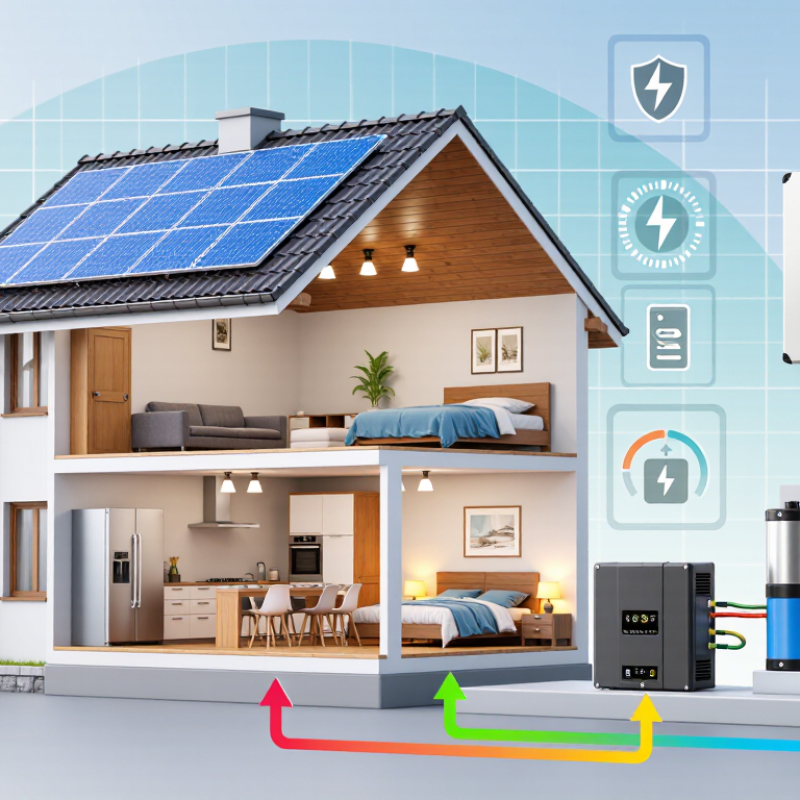
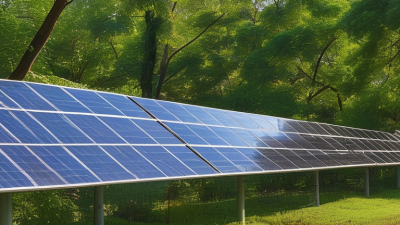
A solar panel battery system stores some of the electricity panels produce during the day. Panels generate direct current, while most household appliances use alternating current. An inverter converts the electricity, and a battery stores energy for later. Some setups use a separate charge controller; others combine key functions in one unit. Simple in theory. In practice, sunlight, household demand, and battery settings all affect how much energy remains after sunset.

When panels produce more power than the home needs, the surplus can charge the battery. After dark, stored electricity can supply selected circuits or, in some systems, much of the home. If the grid fails, backup power works only when the system is designed to disconnect safely and provide it. Not every battery does.

Capacity, power output, and installation choices determine which appliances can run and for how long. A refrigerator may be manageable; an electric oven can drain stored energy quickly. Cold or hot conditions can also affect battery performance, so the installation location matters. The useful question is not just how much energy a battery holds, but when a household needs it. Estimates can miss real-life habits, and actual savings vary.

Key Components of a Home Solar Battery System

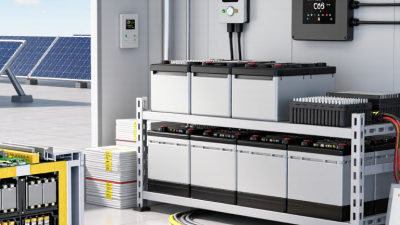
A home solar battery system is more than a battery beside an inverter. Solar panels generate direct-current electricity, while an inverter converts it into the alternating current used by household appliances. Depending on the design, a hybrid inverter can manage both solar production and battery charging, or a separate battery inverter can handle storage. The battery stores surplus energy for later use. Inside it, a battery-management system monitors temperature, voltage, and charging limits. Small details matter. Monitoring equipment shows whether the system is charging, discharging, or drawing power from the grid. Protective switches and correctly sized wiring help isolate equipment during maintenance or faults.

A backup circuit or dedicated load panel can keep selected essentials running during an outage, but not every system provides backup automatically. The inverter’s capacity, battery energy, and household demand all affect what stays powered. A refrigerator, lights, and internet equipment may use power differently from a pump or electric cooking appliance. That distinction matters. When comparing system components, check both continuous output and stored energy; they describe different limits. I would avoid sizing a battery from a single “average” bill alone. Real homes vary. Evening routines, seasonal heating, and shaded roof sections can change the useful balance between panels, storage, and loads.

Main Types of Solar Batteries and Their Uses

Solar batteries store daytime electricity for evening use, backup, or shifting consumption away from peak periods. Lithium-ion batteries are common in homes because they offer compact storage and efficient cycling. They suit households with limited space and regular evening demand. Still, usable capacity and cycle life vary by model, so compare specifications rather than relying on a single headline number.

Lead-acid batteries can suit modest backup needs or budgets where space and weight are less restrictive. They often need more ventilation and maintenance, and generally provide less usable energy over their service life. Flow batteries store energy in liquid electrolytes and may fit larger installations needing long-duration storage. They require more space and system complexity. Not every home needs that scale.

A Solar Hybrid Inverter System can coordinate panels, batteries, the grid, and household loads, but compatibility matters. Match battery capacity to actual nighttime use; a family running a refrigerator, lights, and a medical device has different needs from a small apartment. Ask an installer to check power output, backup circuits, operating temperature, and warranty terms. The overlooked detail is peak power: a battery may hold enough energy yet struggle to start a pump or other demanding appliance. Sizing takes care. And assumptions should be checked.

What Are the Top Solar Panel Battery Systems? — Main Types of Solar Batteries and Their Uses
Battery Type Key Characteristics Common Solar Uses Main Advantages Key Limitations
Lithium Iron Phosphate (LFP) Lithium-ion chemistry known for thermal stability and long cycle life. Usable depth of discharge is commonly high, subject to the system’s operating limits. Residential self-consumption, backup power, and many commercial storage systems. Long service life in many applications; comparatively stable chemistry; high usable capacity. Upfront cost can be higher than lead-acid; performance and warranties vary by system design and operating conditions.
Lithium Nickel Manganese Cobalt Oxide (NMC) Lithium-ion chemistry with high energy density. The battery management system controls charging, discharging, and temperature limits. Space-constrained homes, integrated solar-plus-storage systems, and applications needing compact storage. Stores substantial energy in a relatively compact, lightweight package. Thermal management and protective controls are important; cycle life and usable capacity depend on product design and usage.
Lead-Acid (Flooded or Sealed) A mature rechargeable battery technology. Flooded types require ventilation and maintenance; sealed types include AGM and gel batteries. Off-grid cabins, backup systems, and budget-conscious installations with modest cycling needs. Established technology; widely understood; often lower initial purchase cost. Generally heavier and shorter-lived under frequent cycling than modern lithium options. Limiting discharge depth can help extend service life.
Vanadium Redox Flow Stores energy in liquid electrolytes held in tanks; power and energy capacity can be sized separately. Large commercial, community, and grid-scale solar projects that need extended-duration storage. Can support many cycles; electrolyte capacity can be increased by enlarging the tanks. Typically requires more space and a more complex installation than compact home batteries.
Nickel-Cadmium (Ni-Cd) Industrial battery chemistry with good tolerance for demanding operating conditions, including a broad temperature range. Specialized remote, industrial, or critical backup applications. Robust operation in some harsh environments; suitable for selected high-reliability applications. Cadmium is toxic, so handling and recycling require care. Restrictions and disposal rules apply in many regions; uncommon for typical homes.
Sodium-Ion An emerging rechargeable battery chemistry that uses sodium-based charge carriers. Product performance and availability vary. Potential stationary storage where system cost, supply diversity, or operating conditions suit the specific product. Uses abundant sodium-based materials and may provide an alternative to lithium-based storage. Less established for solar storage than LFP or lead-acid; compare independent performance data, warranty terms, and local support.
Selection note: Actual usable capacity, efficiency, cycle life, temperature limits, and warranty coverage vary by model and installation. Match the battery to the inverter, solar system, backup requirements, local codes, and the expected daily cycling pattern.

Leading Solar Panel Battery Systems Compared

Leading solar panel battery systems differ less by appearance than by how they connect and what they can power. DC-coupled systems can reduce conversion steps when paired with new solar panels. AC-coupled systems often suit existing arrays. Compare usable capacity, continuous power, round-trip efficiency, and backup capability—not headline capacity alone. A battery with 10 kWh may not run a high-load appliance for long.

IRENA’s Renewable Power Generation Costs in 2023 reported that battery storage project costs fell 89% between 2010 and 2023, reaching about $273 per kWh. That is a global project benchmark, not a household quote. Local installation, electrical upgrades, and usable capacity change the real price. That matters. For Solar Energy users, a system with strong backup output may be more useful than one offering extra storage but limited power. I would still check warranty terms carefully; specifications can look cleaner than real-life usage.

Tips: List essential loads, such as a refrigerator, router, and a few lights, then check their combined power needs. Ask whether the system supports backup during an outage, and how long switching takes. Compare estimated usable energy after reserves and conversion losses. Small detail, big difference. Don’t size a battery from one unusually sunny month; seasonal production and evening habits matter too.

Top Solar Battery Systems Compared: Typical Cycle Life by Chemistry

Lithium iron phosphate (LFP) batteries generally offer a longer cycle life than nickel manganese cobalt (NMC) and lead-acid batteries. These are broad, representative ranges rather than rankings of specific products; actual cycle life depends on depth of discharge, temperature, usage, and warranty criteria.

How to Choose a System for Your Energy Needs

Choosing a solar battery system starts with the loads you need to keep running, not the biggest capacity on the shelf. List essential devices, their wattage, and how many hours they must operate. A refrigerator, modem, and a few lights need less power than electric heating or cooking. Check both usable capacity, measured in kilowatt-hours, and continuous power, measured in kilowatts. They answer different questions.

The U.S. Energy Information Administration reports that an average U.S. home used 10,791 kWh of electricity in 2022, or about 30 kWh daily. That national average is only a rough reference; climate, household size, and appliances change the picture. A battery does not necessarily need to cover a full day. Compare your evening use and outage priorities with the system’s usable capacity, then check whether it can start high-demand equipment. A rough estimate is not a design.

Solar Energy Storage choices also depend on operating mode. Ask whether the system can power selected circuits during an outage, and whether it can recharge from solar while the grid is down. The U.S. Department of Energy’s Energy Storage Grand Challenge highlights round-trip efficiency as a key performance measure: some stored energy is lost during charging and discharge. Review the stated efficiency, warranty terms, expansion limits, and installation requirements. One detail is easy to miss: a battery’s advertised capacity may not equal the energy available to your home. Compare the usable figure, not just the headline number.

Installation, Safety, and Battery Maintenance

Choosing a solar battery system depends on installation quality as much as storage capacity. A Hybrid Solar Inverter must suit the panels, battery chemistry, and essential household loads. Ask an experienced installer to check cable routes, ventilation, wall strength, and exposure to moisture. Keep the battery clear of heaters and stored items, with room for inspection. Small details matter. Confirm how the system disconnects during servicing and which circuits remain powered in an outage. A tidy installation looks reassuring, but appearance alone cannot confirm safe wiring.

After installation, save the system settings and record normal readings for comparison. Check the casing, cables, and nearby area periodically for damage, unusual warmth, swelling, or warning indicators. Never remove covers or attempt internal repairs; contact a qualified technician if something seems wrong. Keep vents clear, and clean external surfaces only as the manual permits. Avoid spraying water near electrical equipment. Battery performance can change with age, temperature, and usage, so review monitoring alerts rather than expecting identical output every day. I would not ignore a small recurring fault just because the lights still work. Have maintenance intervals and emergency shutdown steps explained before the installer leaves.

FAQS

What are the main parts of a home solar battery system?

Solar panels generate electricity, and an inverter converts it for household use. The battery stores extra energy. Monitoring equipment and protective switches help track and isolate the system.

What does a battery-management system do?

It monitors battery temperature, voltage, and charging limits. Small details matter.

Will a solar battery keep my whole home running during an outage?

Not always. A backup circuit may power selected essentials, such as a refrigerator, lights, and internet equipment. The inverter’s output, battery capacity, and household demand determine what stays on.

How do usable capacity and continuous power differ?

Usable capacity, measured in kilowatt-hours, describes stored energy available to use. Continuous power, measured in kilowatts, describes how much equipment can run at once. They answer different questions.

How should I estimate the battery size I need?

List essential devices, their wattage, and required operating hours. Include evening routines and outage priorities. A single average bill can miss important details.

Is average household electricity use a useful guide?

It offers a rough reference. The average U.S. home used about 30 kWh daily in 2022, but climate, household size, and appliances change actual needs. A rough guess.

Can a battery recharge from solar panels during a grid outage?

Some systems can, but this depends on their operating mode and design. Ask whether the system supports solar charging while the grid is down.

What details should I compare when choosing a system?

Check usable capacity, continuous output, round-trip efficiency, warranty terms, expansion limits, and installation requirements. Advertised capacity may not equal energy available at home. I would check that twice.

Conclusion

A Solar Panel Battery System stores excess electricity generated by solar panels so it can be used after sunset, during cloudy periods, or when the grid is unavailable. A typical home setup includes solar panels, a battery, an inverter, monitoring controls, and safety equipment. Different battery chemistries offer varying trade-offs in cost, lifespan, efficiency, and maintenance, making some better suited to backup power and others to regular daily energy use.

Choosing a system involves estimating household energy consumption, deciding how much backup power is needed, checking compatibility with existing equipment, and comparing usable capacity, performance, and expected service life. Professional installation helps ensure the system is configured safely and operates reliably. Regular monitoring and following the manufacturer’s care instructions can help maintain battery performance over time.
Ethan

Ethan

Ethan is a dedicated marketing professional at a national high-tech enterprise recognized for its leadership in the new energy vehicle Battery Management System (BMS) and energy storage BMS sub-markets in China. With a strong expertise in innovative technologies and industry trends, he plays a......
Previous China Best Solar Battery Bank Manufacturer Supplier