More and more buyers around the world are starting to see solar battery storage as a pretty practical way to keep electricity costs in check and avoid supply headaches. Basically, it banks all that extra solar power during the day, then lets you use it once the sun goes down or if the grid decides to take a break. Sounds simple enough, and it really can boost your energy independence. But—and there's always a but—how well it actually works depends on things like system design, local weather, your electricity tariff, and how well the whole thing gets installed.
Look, if you want a system that actually holds up, it all starts with getting the load data right. You’ve got to know your daily usage, peak demand, battery capacity, usable energy, round-trip efficiency, and how many cycles you can expect. And don’t overlook safety—check for proven battery chemistry, certified protections, straightforward monitoring, and clear warranty terms. A good supplier should also be able to tell you how the system behaves in extreme heat, cold, humidity, or when the grid gets flaky. Honestly, there’s something really reassuring about knowing the product’s been independently tested—and that the folks installing it are qualified locals you can trust. It just gives you that extra peace of mind.
Solar energy storage can actually help out in a lot of places—homes, farms, warehouses, even remote off-grid sites. Imagine a small business: it charges its batteries from rooftop panels during the day, then uses that power to keep refrigeration running at night. Or a rural clinic that needs essential lights and medical equipment to keep working during outages. These examples sound great, but they’re not guarantees. The outcome really depends on the setup. Honestly, the savings might not always match what we projected. If electricity prices shift or we don't get enough sunlight, the numbers could come in lower than expected. And yeah, our assumptions aren't perfect—things happen. Battery aging is a real issue too, so don't wait until the warranty expires to start thinking about a replacement.
Okay, so if you're buying globally, don't just look at the sticker price. You've got to think about total ownership cost—what it actually takes to run and maintain the system over time. Ask suppliers for clear technical docs, and don't be shy about service response times, spare parts policies, and local compliance stuff. A supplier you can trust will own up to their limitations and show you measurable proof, not just promises. When you approach it that way, solar energy storage stops being a simple product pick and turns into a carefully managed investment in your energy future.
What Is Solar Energy Battery Storage?
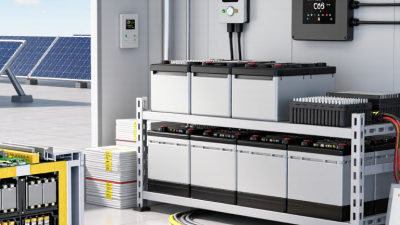
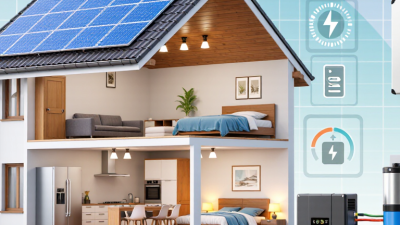
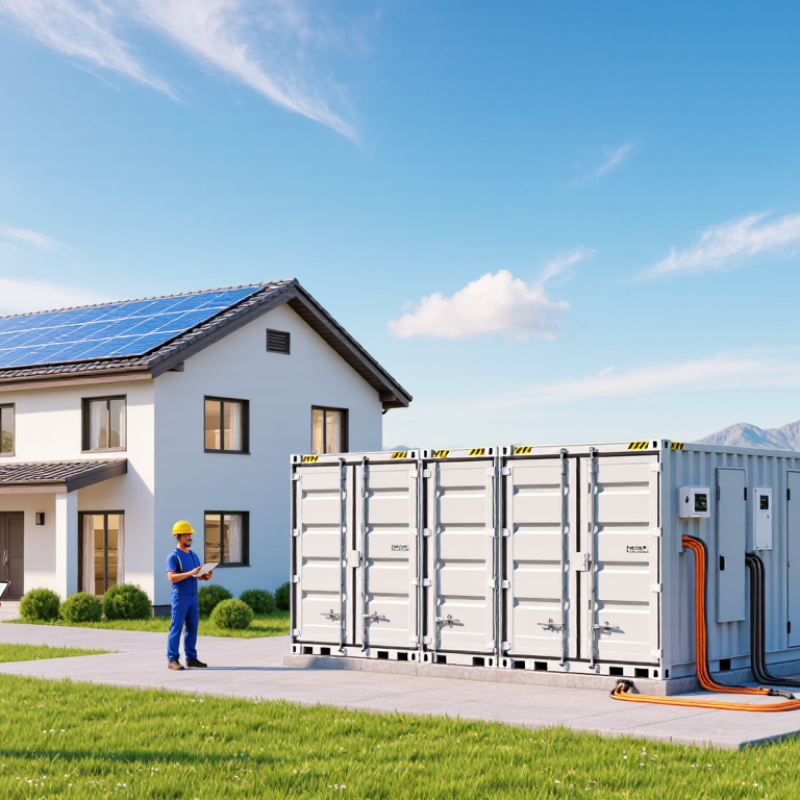
Solar Energy battery storage is a system that stores electricity produced by solar panels for later use. It usually includes rechargeable batteries, an inverter, monitoring controls, and a battery management system. During sunny hours, the panels generate power and charge the batteries. After sunset, stored electricity can operate lights, appliances, pumps, or communication equipment.
The inverter changes battery power into electricity that household devices can use. The management system monitors temperature, voltage, and charging levels. These controls help reduce overheating and unwanted battery stress. In practical installations, placement matters. A shaded, dry, ventilated area is safer than a hot utility room. Battery capacity also depends on daily consumption, local sunlight, and backup expectations.
Sizing is not always perfect. A household using an electric heater may need far more storage than expected. Cloudy weather can also reduce charging for several days. I have found that reviewing real electricity bills produces better decisions than relying on rough estimates. Global buyers should check grid rules, electrical standards, warranty conditions, and qualified installation support before purchasing. Safety documentation matters. So does maintenance access. A storage system can reduce grid dependence, but it does not create unlimited electricity. Some users may still need grid power during long periods of weak sunlight.
How Solar Batteries Capture and Store Energy
Solar panels produce direct-current electricity when sunlight strikes semiconductor cells. A charge controller directs surplus current into battery cells instead of sending it immediately to the grid. Inside lithium-ion cells, lithium ions move between electrodes during charging and discharging. That reversible movement stores electrical energy as chemical potential.
Simple, but not effortless. Sensors monitor voltage, temperature, and state of charge to protect the battery pack. A Hybrid Solar Inverter converts stored DC electricity into usable AC power for household circuits. The IEA’s 2024 Batteries and Secure Energy Transitions report estimates battery storage may need to reach 1,200 GW by 2030 in a net-zero pathway. This growth reflects evening demand, grid flexibility, and renewable volatility. Round-trip losses remain important. Industry testing often places lithium-ion efficiency near 85–95%, depending on design and operating conditions.
At a practical installation, sunlight may charge a battery at noon, while lights and appliances draw energy after sunset. Temperature, cable length, backup settings, and battery aging can reduce delivered power. Datasheet capacity is not the same as usable energy. That gap deserves honest measurement. The U.S. Department of Energy also emphasizes safety controls, thermal management, and system-level testing for storage projects. Global buyers should examine tested efficiency, usable capacity, safety certifications, warranty conditions, and local electrical requirements before comparing prices. The technology works well, yet real sites are less tidy than diagrams.
Why Global Buyers Choose Solar Battery Systems
Global buyers choose solar battery systems for practical control, not only for lower electricity bills. The International Energy Agency reported that battery storage additions grew by about 130% in 2023. This reflects rising demand for flexible power during grid outages, evening peaks, and unstable supply periods. A household may generate solar power at noon, then use stored energy at 8 p.m. That daily shift is simple, but system sizing is not.
An Inverter Solar Hybrid system can combine solar panels, batteries, grid power, and backup loads in one operating setup. Buyers often compare usable capacity, cycle life, charging speed, and warranty conditions. BloombergNEF reported that average lithium-ion battery pack prices fell to 115 US dollars per kWh in 2024, a 20% annual decline. However, installed prices still vary sharply by labor, transport, tariffs, and safety requirements. Cheap capacity can become expensive when replacement support is unclear.
Reliable buyers also examine thermal management, fire testing, remote monitoring, and local service skills. The National Renewable Energy Laboratory notes that storage costs depend heavily on duration, installation scale, and operating assumptions. A short evening backup may need different equipment than a rural microgrid serving refrigeration and pumps. Real projects expose uncomfortable gaps: weather data may be incomplete, user demand may change, and batteries rarely perform perfectly in extreme heat. Independent testing and clear documentation matter.
Why Global Buyers Choose Solar Battery Systems
Lithium-ion batteries are widely selected for solar storage because they combine high round-trip efficiency, long cycle life, and compact design. The figures below show representative technical ranges commonly reported for commercial energy-storage technologies; actual performance depends on system design, climate, operating conditions, and manufacturer specifications.
Source basis: representative ranges synthesized from U.S. Department of Energy and National Renewable Energy Laboratory energy-storage technology references.
Key Factors in Comparing Solar Storage Technologies
Why Choose Solar Energy Battery Storage for Global Buyers?
Comparing solar storage technologies requires more than checking the advertised battery price. BloombergNEF reported that average lithium-ion pack prices reached 115 dollars per kilowatt-hour in 2024. However, system costs also include inverters, cooling, installation, monitoring, and replacement planning. A cheaper battery can become expensive in a dusty warehouse or a hot coastal home.
Lithium iron phosphate batteries offer strong thermal stability and long cycle life.
Nickel-based batteries can provide higher energy density, but they require stricter temperature control.
Flow batteries suit large, frequent cycling projects, although their tanks need more space.
The U.S. National Renewable Energy Laboratory highlights round-trip efficiency, lifetime, and degradation as key storage metrics. In real projects, those figures matter more than a single peak-capacity number.
Inverter Hybrid Solar
systems can also combine grid charging, solar generation, backup loads, and export controls. Compatibility must be checked carefully.
Safety testing and local certification should guide procurement. The International Energy Agency identifies battery storage as essential for integrating growing renewable capacity, but performance varies by climate and operating profile.
Buyers should request usable capacity, cycle assumptions, warranty limits, and emergency procedures in writing. A 10-kilowatt-hour label may deliver less after reserve settings and aging.
I still think many comparisons overstate laboratory performance. A battery cabinet beside a hot loading dock tells a different story. Temperature, service access, spare parts, and installer experience deserve equal attention.
How Solar Batteries Support Different Energy Needs
Solar batteries support different energy needs because electricity demand varies by location, climate, and daily routines. A household may store midday solar power for evening cooking, lighting, and cooling. A rural clinic may need quiet backup power for vaccines and medical equipment. Small businesses can reduce exposure to grid interruptions and demand charges. It is not magic.
The market is expanding quickly. The International Energy Agency reports that global battery storage additions nearly doubled in 2023, reaching about 42 GW. Its Net Zero Roadmap also indicates that global energy storage capacity must increase sixfold by 2030. Meanwhile, the International Renewable Energy Agency recorded approximately 473 GW of new renewable capacity in 2023, with solar contributing about 346 GW. More solar generation creates greater value for storage, especially where evening demand rises sharply.
Battery selection still requires practical judgment. Lithium-based systems offer high efficiency and compact installation, but temperature control, fire safety, warranty terms, and recycling plans need careful review. Larger sites may need several hours of storage, while homes may prioritize emergency backup. Performance also declines over time. Some assumptions fail. Buyers should compare usable capacity, not only advertised capacity, and test real load profiles before investing. Local installers and independent engineers can verify these details through site measurements, historical bills, and outage records.
What to Consider Before Purchasing a Solar Battery System
Why Choose Solar Energy Battery Storage for Global Buyers?
What to Consider Before Purchasing a Solar Battery System
A solar battery should match your daily electricity pattern, not simply your roof size. Review evening consumption, seasonal sunlight, and essential appliances during outages. A refrigerator, router, medical device, and lighting may need priority circuits. A larger battery is not always wiser. It can increase cost while storing unused energy.
Check usable capacity, round-trip efficiency, charging speed, and expected cycle life. Ask how performance changes in high heat, freezing weather, dust, or humidity. The installation area needs ventilation, suitable clearance, and protection from water. Local electrical codes may also require certified equipment, permits, and professional installation. Confirm these requirements before paying a deposit.
Read the warranty carefully. Look for coverage limits, capacity retention, operating conditions, and service response procedures. A ten-year term means little if exclusions are unclear. Request an itemized quote covering batteries, inverters, controls, labor, monitoring, and future maintenance. Compare total ownership cost with your electricity rates and outage frequency. No spreadsheet captures every real-world interruption. That uncertainty deserves attention. Ask the installer to explain emergency shutdown steps in plain language. Check whether replacement parts and qualified technicians are available in your region. Avoid relying only on advertised savings, because weather, tariff changes, and household habits can alter results.
314Ah Immersion-Cooled Container Energy Storage for Grid and C&I Applications from China Suppliers
The 314Ah immersion-cooled container energy storage system is an advanced solution developed and manufactured by experienced suppliers in China. Using large-format 314Ah battery cells, the system fully submerges the cells in a specialized coolant to provide efficient heat management and improved operational safety. By controlling temperature uniformly and limiting thermal propagation, the design helps reduce the risks of fire, explosion, and smoke in the event of thermal runaway, while supporting stable performance during intensive charge and discharge cycles.
Built around self-developed 4S+C full-stack technology, the system integrates the battery management system (BMS), power conversion system (PCS), energy management system (EMS), thermal management system (TMS), and cloud-based monitoring. This integrated architecture enables intelligent control, real-time data analysis, remote operation, and coordinated energy dispatch. The containerized structure also simplifies transportation, installation, and maintenance for projects with different capacity requirements.
Designed for grid-scale energy storage and commercial and industrial applications, the system can support peak shaving, renewable energy integration, backup power, and load management. It is also suitable for data centers, oil fields, mines, and other demanding environments where reliable and responsive energy storage is essential. Suppliers can provide customized configurations, flexible deployment options, and factory-direct technical support for diverse project needs.
FAQS
Compare usable capacity, efficiency, cycle life, temperature performance, installation costs, and warranty limits.
Lithium iron phosphate systems offer strong thermal stability and long cycle life.
Start with essential loads, such as refrigeration, lighting, internet equipment, and medical devices.
Reserve settings, aging, and operating limits reduce the energy available to appliances.
High heat, freezing temperatures, dust, and humidity can reduce performance or increase maintenance needs.
Confirm local electrical requirements, permits, certified equipment, and professional installation needs.
Check capacity retention, cycle assumptions, operating conditions, coverage limits, and response procedures.
Yes. Homes can shift daytime solar power to evening cooking, lighting, and cooling.
Request an itemized quote for batteries, inverters, controls, labor, monitoring, and maintenance.
Conclusion
Solar Energy Battery Storage is a practical way to capture excess electricity from solar panels and save it for use when sunlight is limited or energy demand is high. These systems typically store power in rechargeable batteries, helping households and businesses improve energy independence, reduce reliance on the grid, and make better use of renewable energy. For global buyers, solar batteries can support different needs, including backup power, daily energy management, remote locations, and cost control.
When comparing solar storage technologies, buyers should consider battery capacity, usable energy, efficiency, lifespan, charging speed, safety features, installation requirements, and total ownership cost. It is also important to evaluate local climate conditions, electricity regulations, maintenance needs, warranty coverage, and compatibility with existing solar equipment. By clearly understanding energy consumption patterns and future expansion plans, purchasers can select a reliable Solar Energy Battery Storage system that offers suitable performance, flexibility, and long-term value.

 +86 17326062766
 Contact Phone
 Contact Email