Okay, so why go with a Hybrid Solar Inverter anyway?
So solar power is really taking off, but the power it produces still isn't spread out evenly. According to the IEA's Renewables 2024 report, we added almost 510 gigawatts of renewable capacity in 2023, and solar PV made up about 75% of that growth. But here's the thing: more panels don't automatically give you reliable power. Clouds roll in. And demand is still there in the evening.
So, what does a hybrid solar inverter actually do? Basically, it ties together your solar panels, batteries, home appliances, and the utility grid into one coordinated setup. That means you can sock away some of that midday sunshine for later in the evening, lean less on the grid, and—if it’s designed right—keep the lights on during outages. The IEA’s Batteries and Secure Energy Transitions report expects global energy storage capacity to grow sixfold by 2030. That kind of outlook makes flexible inverter systems look like a pretty smart bet.
Honestly, a lot of the benefits come down to how the system is installed—not what the label says. NREL research and field studies back this up: performance can shift depending on battery temperature, how often it’s cycled, shading, and conversion losses. A hybrid setup might make control simpler, sure, but it can also mean higher upfront costs and a more complicated design. That trade-off? Pretty easy to miss.
And sizing? Yeah, that matters. Service does too.
So, if you're a homeowner, it's worth taking a closer look at your backup loads, battery chemistry, warranty details, communication protocols—and yeah, your local grid rules too. Installers? Don't just lean on those sunny, best-case averages. Model seasonal production instead. And a hybrid solar inverter isn't some magic fix that fits every building. That said, if you need solar generation, storage, and backup power to all play nicely together, it can be a pretty practical way to get closer to energy independence. Honestly, a decision like this? It deserves careful measurement, assumptions you can actually stand behind, and a check-in every now and then.
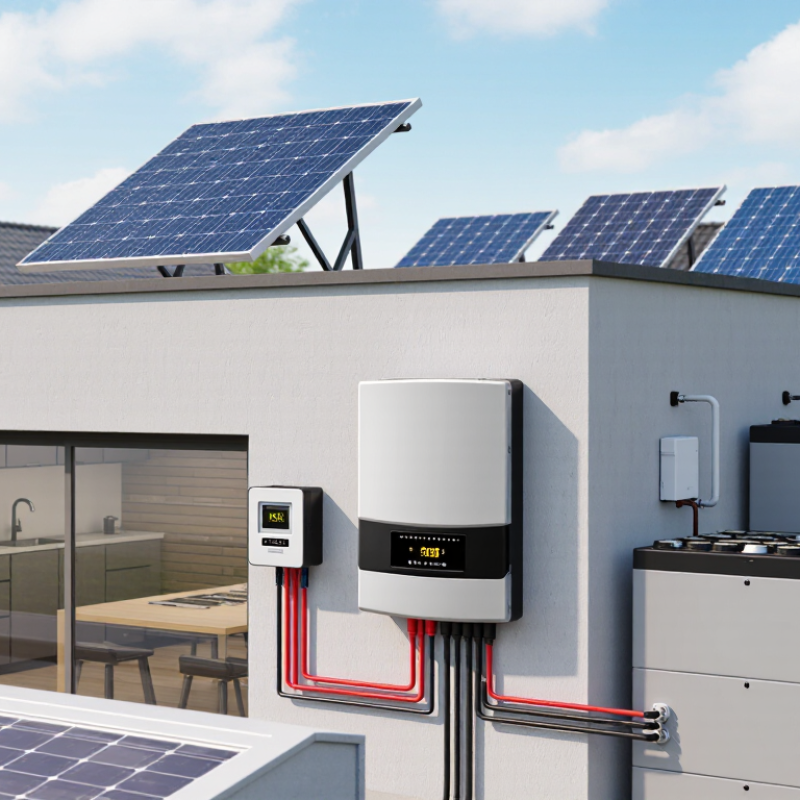
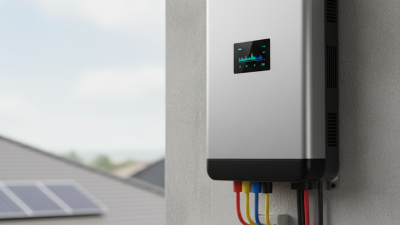
A hybrid solar inverter is the control center between solar panels, batteries, household circuits, and the utility grid. It converts the panels’ direct current into usable alternating current.
Unlike a standard solar inverter, it can also manage battery charging and discharging. This design allows one system to use solar energy immediately, store surplus power, or draw electricity from the grid when needed.
During daylight, the inverter sends solar electricity to appliances such as refrigerators, pumps, and computers. Extra energy can charge a battery instead of flowing back to the grid. After sunset, stored energy may supply selected circuits.
During a power outage, compatible systems can create a backup supply, but only when proper safety equipment and installation procedures are used. An Inverter Solar Hybrid system does not simply “store everything.” Its performance depends on battery capacity, load demand, weather, and programmed priorities.
A qualified installer checks voltage limits, phase requirements, battery chemistry, ventilation, and local electrical rules before selecting equipment. Real homes often have uneven demand. A kettle or water heater can drain a battery surprisingly quickly. That detail is easy to overlook.
Hybrid systems can reduce grid dependence, yet they may cost more and require careful monitoring. Some settings also need adjustment after observing seasonal sunlight and actual household consumption.
The technology is capable, but it is not magic.
A hybrid solar inverter manages electricity from solar panels, batteries, household loads, and the grid. It is the control center of an Inverter Hybrid Solar system. During daylight, panels produce direct current. The inverter’s MPPT controller adjusts voltage and current to capture usable energy. The system then converts direct current into alternating current for appliances.
At noon, solar energy can power a refrigerator while charging the battery with surplus electricity. When clouds pass, the battery responds within seconds, depending on system design. At night, stored energy supplies selected circuits. If grid power fails, a certified backup system disconnects safely and creates a local power supply. The inverter controls this sequence automatically, using programmed priorities such as self-consumption, battery reserve, or time-based tariffs. Real installations may behave differently.
The scale of solar deployment makes this control increasingly important. IRENA’s Renewable Capacity Statistics 2024 reports 346 gigawatts of solar capacity added worldwide in 2023, representing most new renewable capacity. The IEA’s Renewables 2024 report also identifies solar PV and battery storage as major drivers of electricity-system flexibility. Yet a hybrid inverter cannot solve every problem. Battery temperature, cable losses, shading, and poor load estimates reduce performance. A battery may remain unused for days. That is not necessarily failure, but it deserves review. Correct sizing requires measured consumption, local sunlight data, outage expectations, and realistic charging limits.
A hybrid solar inverter coordinates several energy sources within one household system. Solar panels provide daytime electricity through a DC input. A battery stores surplus power for evening loads, cloudy periods, or short outages. The utility grid remains available when generation and storage cannot meet demand. Some models also accept an AC generator, but that connection requires correct protection and local approval.
This flexibility matters as renewable capacity expands. According to IRENA’s Renewable Capacity Statistics 2024, global renewable capacity increased by 473 GW in 2023, with solar contributing about 346 GW. The IEA’s Batteries and Secure Energy Transitions report states that global battery storage capacity must grow roughly fourteenfold by 2030 to support the energy transition. A hybrid inverter helps coordinate that changing supply.
It can prioritize solar power, charge the battery, export excess energy, or draw from the grid. Settings may also reserve battery capacity for outages. However, it cannot create energy from nothing. A generator may provide backup, but fuel use, noise, maintenance, and emissions still matter. Installation quality remains critical. Incorrect battery voltage, poor cable sizing, or weak changeover protection can reduce safety and performance. In practice, the best system depends on local solar conditions, household demand, tariffs, and outage patterns. The “smart” setting is not always the best setting. Periodic review is still necessary.
A hybrid inverter combines solar conversion, battery charging, and load control in one coordinated system. That matters as solar penetration rises. IRENA’s Renewable Capacity Statistics 2024 recorded 473 GW of renewable additions in 2023. Solar contributed approximately 346 GW. This expansion makes flexible household energy management more valuable, especially during evening peaks. A Solar Power Hybrid Inverter can route midday electricity to appliances, batteries, or the grid.
The main benefit is higher self-consumption. Stored energy can run lights, refrigeration, and communications after sunset. It can also provide backup during outages, when suitable batteries and safe islanding controls are installed. The IEA’s Renewables 2023 report expects solar PV and wind to provide about 95% of new renewable capacity through 2028. That forecast supports inverters that respond quickly, not merely convert power. Small detail, big difference.
Professional commissioning still matters. Battery size, local tariffs, shading, and backup loads determine real savings. A larger battery is not automatically better; unused capacity adds cost and embodied emissions. NREL’s 2024 Annual Technology Baseline shows that storage economics vary by duration and application. Design assumptions still need local testing. In practice, communication faults or poor battery settings can reduce performance. That limitation is easy to overlook.
Choosing a hybrid solar inverter requires more than comparing power ratings. Start with your daily energy use, evening demand, and backup expectations. A home with a heat pump may need stronger surge capacity than its average load suggests. Check whether the inverter supports your preferred battery chemistry, usable capacity, and future expansion.
Grid conditions also matter. Confirm local connection rules, export limits, shutdown requirements, and permitted installation locations. Efficiency is important, but real performance depends on temperature, cable length, shading, and operating mode.
In practical site assessments, installers often find that undersized wiring causes avoidable losses. A quiet, well-ventilated location can improve comfort and reliability. Do not ignore service access.
Tips: List your largest appliances and record their starting power. Ask for a clear explanation of backup switching time. Review the warranty, monitoring functions, and local technical support before purchasing. Check protection against moisture, dust, and overheating. A system may look excellent on paper yet fit poorly inside a cramped utility room.
Be honest about uncertainty. Solar production changes with weather, and batteries rarely deliver their full rated capacity. Future electricity prices may also differ from your assumptions. Leave some design flexibility instead of sizing everything tightly. A qualified installer should explain these compromises, show the calculations, and identify what still needs verification before installation.
Why Choose a Hybrid Solar Inverter?
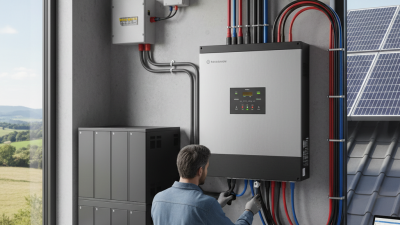
A Hybrid Inverter Solar System connects solar panels, batteries, household loads, and the utility grid. Installation should begin with a site assessment, not a rushed purchase. A qualified electrician must check cable sizes, roof conditions, grounding, protection devices, and local electrical requirements. The inverter needs a dry, shaded, and well-ventilated wall. Avoid cramped cabinets or direct afternoon sunlight.
Keep battery cables short and properly secured. Label every isolator and circuit clearly. Confirm polarity before energizing the system. Then test grid input, solar charging, battery backup, and shutdown functions under controlled conditions. Do not guess with high-voltage terminals. One loose connection can create heat, nuisance trips, or equipment damage. Commissioning records should include measured voltages, settings, and test results.
Maintenance is simple, but it is not optional. Inspect vents for dust every few months. Check cable glands, warning labels, and battery terminals for corrosion or movement. Review monitoring data for unusual temperature changes, repeated faults, or declining battery performance. Keep firmware and protection settings documented after any update. A neglected system may still appear normal.
My practical concern is that owners often clean panels but ignore the inverter room. That habit needs reconsideration. Seasonal inspections are especially useful after storms, heatwaves, or electrical work. If alarms persist, isolate the system safely and contact a licensed technician rather than repeatedly resetting it.
| Category | Key Data or Requirement | Practical Benefit | Installation or Maintenance Guidance |
|---|---|---|---|
| Operating Principle | A hybrid solar inverter manages electricity from solar panels, batteries, the utility grid, and household loads. | It coordinates multiple energy sources through one energy-management system. | Confirm that the inverter supports the intended solar array, battery chemistry, grid connection, and backup-load configuration. |
| Energy Storage | Excess daytime solar generation can be directed to a battery instead of being immediately exported or curtailed. | Stored energy can be used during the evening, during periods of low solar output, or during a grid outage. | Install batteries in a dry, ventilated location and follow the battery manufacturer’s clearance, temperature, and protection requirements. |
| Backup Power | Many hybrid systems can supply selected essential circuits when the grid fails. | Important loads such as lighting, refrigeration, communications equipment, and medical devices may remain powered. | Use a correctly rated backup distribution board and ensure the system prevents unintended back-feeding into the utility grid. |
| System Sizing | Inverter power should be selected according to continuous load, peak or starting load, solar-array capacity, and battery power limits. | Correct sizing reduces overload trips and improves system reliability. | Calculate the largest simultaneous load and motor-starting demand before selecting the inverter rating. |
| Solar Array Compatibility | The array’s maximum voltage, operating-voltage range, short-circuit current, and total DC power must remain within the inverter’s specifications. | Proper electrical matching supports safe operation and efficient solar harvesting. | Check string voltage at the lowest expected temperature and verify polarity before connecting any DC cables. |
| Battery Compatibility | Battery voltage, usable capacity, maximum charge and discharge current, and communication protocol must match the inverter. | Compatible components improve charging control, protection, and state-of-charge accuracy. | Use the correct battery settings and communication cables; do not mix batteries unless the manufacturer explicitly permits it. |
| Installation Location | The inverter should be mounted on a solid, non-combustible surface in a clean, dry, shaded, and adequately ventilated area. | Reduced heat, moisture, and dust exposure can help extend equipment service life. | Maintain the clearances specified in the installation manual and avoid locations exposed to direct rain, flooding, or corrosive vapors. |
| Electrical Protection | Depending on the design and local code, protection may include DC isolators, AC breakers, surge protection, grounding, and residual-current protection. | Protection devices help limit the effects of faults, surges, and abnormal operating conditions. | All protective devices must be correctly rated and installed by a qualified electrical professional in accordance with local regulations. |
| Grid Connection | Grid-connected systems generally require anti-islanding protection so the inverter stops energizing the grid during an outage. | This protects utility workers and helps meet interconnection requirements. | Obtain required permits, inspections, and utility approval before commissioning a grid-connected system. |
| Installation Sequence | Typical steps include site assessment, equipment mounting, grounding, cable installation, protection-device installation, configuration, testing, and commissioning. | A controlled sequence reduces wiring errors and commissioning risks. | Follow the manufacturer’s shutdown and startup order exactly, and verify all connections with appropriate test instruments. |
| Energy-Management Settings | Common operating modes include self-consumption, backup reserve, time-of-use charging, and export control. | Settings can be adjusted to match electricity tariffs, backup priorities, and household consumption patterns. | Set a reserve state of charge appropriate for emergency needs and review the settings after changes to loads or tariffs. |
| Initial Commissioning Checks | Checks should include polarity, insulation resistance, grounding continuity, open-circuit voltage, operating voltage, communication, and fault logs. | Testing confirms that the system is electrically sound before normal operation begins. | Record test results, configuration values, equipment serial numbers, and commissioning dates for future service work. |
| Visual Inspection | Inspect the inverter, cables, connectors, isolators, mounting hardware, and ventilation openings at least annually. | Early detection of corrosion, loose parts, overheating, or physical damage can prevent larger failures. | Only qualified personnel should open enclosures or work on energized equipment. |
| Cleaning and Ventilation | Dust and debris can restrict airflow and contribute to higher operating temperatures. | Keeping cooling paths clear helps the inverter maintain stable performance. | Clean external surfaces and ventilation areas with suitable methods; never spray water into electrical equipment. |
| Performance Monitoring | Monitor solar production, battery state of charge, grid import and export, alarms, and unusual temperature trends. | Performance data helps identify shading, soiling, communication faults, battery issues, or abnormal consumption. | Compare current production with seasonal expectations and investigate repeated alarms rather than repeatedly resetting them. |
| Battery Maintenance | Battery maintenance depends on chemistry and system design; lithium-based batteries generally use electronic monitoring and protection systems. | Correct operating conditions support safety, capacity retention, and predictable backup performance. | Keep batteries within the specified temperature range and arrange professional inspection if swelling, leakage, odor, heat, or repeated faults occur. |
| Thermal Management | Output may be reduced when internal temperature or ambient temperature reaches the equipment’s operating limit. | Managing heat helps reduce thermal derating and stress on electronic components. | Keep vents unobstructed, avoid enclosed cabinets without designed ventilation, and investigate unexpected fan noise or overheating. |
| Fault Response | Common warnings may relate to grid conditions, insulation, overtemperature, overload, battery limits, or communication. | Correct diagnosis prevents unsafe operation and unnecessary component replacement. | Read the fault code and system manual, isolate the equipment when instructed, and contact a qualified technician for persistent or safety-related faults. |
| Expected Service Life | Service life varies with equipment quality, thermal conditions, installation quality, duty cycle, and maintenance. | Good design and regular inspection can improve long-term reliability. | Keep installation records, firmware information, maintenance history, and replacement dates for major components. |
| Safety Priority | Solar arrays and batteries can remain energized even when the utility supply is disconnected. | Awareness of stored and renewable energy hazards reduces the risk of electric shock, arc flash, and fire. | Do not perform live work unless legally authorized and properly equipped; use qualified installers and follow all applicable electrical and fire-safety standards. |
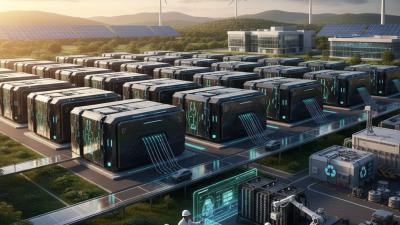
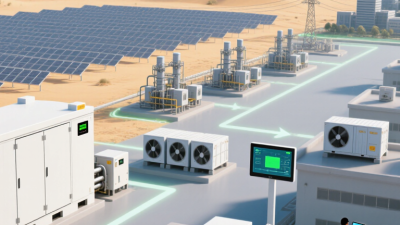
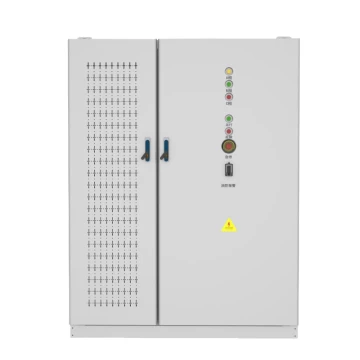
China’s all-in-one solar storage inverters are advancing the integration of photovoltaic generation and battery energy storage through a DC-coupled architecture. Unlike conventional AC-coupled systems, PV power can charge the battery without repeated DC-to-AC and AC-to-DC conversions, helping reduce conversion losses. In practical applications, this design can deliver an estimated 3–5% efficiency improvement, depending on operating conditions and system configuration. The trend aligns with global market growth: IRENA reported approximately 473 GW of new renewable capacity added worldwide in 2023, with solar power accounting for the largest share.
Designed for homes, industrial parks, commercial centers, and remote sites, these systems combine PV input, battery management, inverter control, and energy monitoring in one coordinated platform. Available operating modes include self-consumption, battery charging, grid feed-in, anti-reverse power flow, peak shaving, and off-grid backup. By storing surplus solar electricity during low-demand periods and releasing it during peak tariff hours, businesses can improve renewable utilization while reducing demand-related energy costs.
According to the IEA’s *Renewables 2023* report, solar PV is expected to remain the dominant source of renewable capacity expansion through 2028. Directly sourced from qualified suppliers and manufactured in a modern Chinese factory, these solar storage inverters support scalable deployment, simplified installation, and flexible energy management for changing load profiles. Their integrated design is particularly suitable for users seeking reliable backup power, stronger energy independence, and more efficient PV-BESS performance.
It can coordinate solar panels, batteries, household loads, and the utility grid. Some systems also support an AC generator. Generator connections require correct protection and local approval.
Solar panels send daytime electricity through a DC input. The inverter can supply household loads and charge the battery with surplus energy. Clouds change the result.
The battery can support evening loads, cloudy periods, or short outages. If storage is insufficient, the system may draw power from the grid. Backup time depends on demand and battery capacity.
Review daily energy use, evening demand, and the starting power of large appliances. Heat pumps and motors may need strong surge capacity. Average usage alone can mislead.
Confirm battery chemistry, usable capacity, voltage range, and expansion options. Rated capacity is not always fully available. Leave some design flexibility.
The inverter needs a dry, shaded, and well-ventilated wall. Keep battery cables short and secure. Avoid cramped cabinets and direct afternoon sunlight.
A qualified electrician should check cable sizes, grounding, protection devices, polarity, and local electrical requirements. Test grid input, charging, backup, and shutdown functions. Do not guess with high-voltage terminals.
Inspect vents every few months and check terminals, cable glands, labels, and monitoring data. Look for dust, corrosion, unusual temperatures, or repeated faults. Panel cleaning alone is not enough.
Not necessarily. Tariffs, outage patterns, weather, and household demand can change the best setting. Review the system periodically. My earlier assumption might be wrong.
Isolate the system safely and contact a licensed technician. Repeatedly resetting the inverter may hide a fault. Record temperatures, error messages, and recent electrical work.
A Hybrid Solar Inverter is an intelligent power-management device that connects solar panels, batteries, the electrical grid, and household loads in one coordinated system. It converts solar energy into usable electricity, directs excess power to battery storage, and can draw energy from the grid when solar production and stored power are insufficient. By managing these energy sources automatically, it helps maintain a reliable supply while improving the use of renewable energy.
The main benefits of a Hybrid Solar Inverter include greater energy independence, backup power during outages, improved solar self-consumption, and better control over electricity costs. When choosing a system, consider its power capacity, battery compatibility, efficiency, monitoring functions, safety features, and suitability for your local electrical conditions. Professional installation is important to ensure correct wiring, protection, and configuration. Regular inspections, software updates, ventilation checks, and battery maintenance can help the system operate safely and efficiently for many years.