
 +86 17326062766
Leave Your Message
-
Contact WhatsApp
-
 Contact Phone
-
 Contact Email
In the wake of natural disasters—hurricanes, earthquakes, wildfires, or floods—the immediate loss of power is more than an inconvenience; it is a life-threatening crisis. For First Responders and disaster relief organizations, access to reliable, portable, and high-capacity energy is the backbone of every rescue operation. Electric Battery Storage (BESS) has emerged as the transformative technology replacing traditional, noisy, and emission-heavy diesel generators.
The global landscape for emergency energy is shifting rapidly. Governments and NGOs are no longer looking for temporary fixes but are investing in Resilient Microgrids and Mobile Energy Storage Vehicles. The industrial demand for "Silent Power" is at an all-time high, driven by the need for equipment that can operate inside medical tents, communication hubs, and dense urban rescue sites without the hazards of carbon monoxide or fuel storage risks.
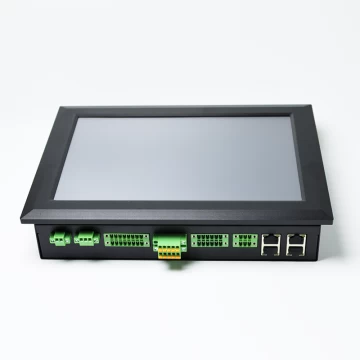
The industrial status of battery storage in relief efforts is characterized by the transition toward Lithium-Iron Phosphate (LiFePO4) chemistry. This shift is motivated by the superior safety profile, longer cycle life, and thermal stability of LFP batteries, which are essential when operating in unpredictable disaster environments. Companies like Zhejiang Qualtech Co., Ltd. are at the forefront, providing the "brain" of these systems—the Battery Management System (BMS)—ensuring that every cell performs optimally under extreme stress.
Predictive maintenance and real-time health monitoring for battery stacks.
Advanced thermal management to prevent overheating in hot disaster zones.
Vehicle-to-Everything technology allowing rescue trucks to power entire buildings.
The upcoming frontier for even higher energy density and absolute safety.
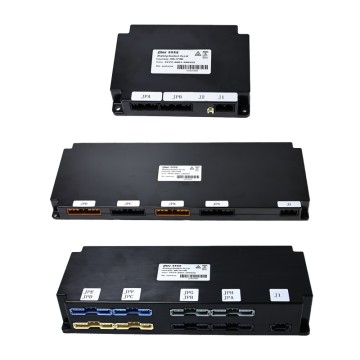
One of the most significant trends is the development of Active Balancing BMS. In emergency scenarios, batteries are often discharged and recharged rapidly. Traditional passive balancing wastes energy as heat, but active balancing—found in the Qualtech ABMU Series—redistributes charge between cells, maximizing the available capacity and extending the runtime of critical life-support systems.
Furthermore, the integration of Cloud-Based Energy Management Systems (EMS) allows central command centers to monitor the energy levels of multiple mobile units across a disaster zone. This "Internet of Energy" ensures that power is allocated where it is needed most, whether it's a field hospital or a search-and-rescue drone docking station.
In a disaster, field hospitals are the first line of defense. Sensitive medical equipment—ventilators, heart monitors, and refrigeration for vaccines—requires "clean" power with zero fluctuations. Truck-mounted BESS units provide a stable AC output that mimics the grid, ensuring that life-saving machines never skip a beat. Unlike generators, battery storage can be placed directly inside or adjacent to medical tents without noise pollution or exhaust fumes.
When the grid goes down, communication is the first thing to fail. First responders rely on satellite uplinks, radio repeaters, and drone surveillance. Portable battery storage units, often coupled with All-in-One Solar Inverters, create a self-sustaining energy loop. During the day, solar blankets charge the batteries; at night, the stored energy keeps the communication lines open, allowing for 24/7 coordination of rescue teams.
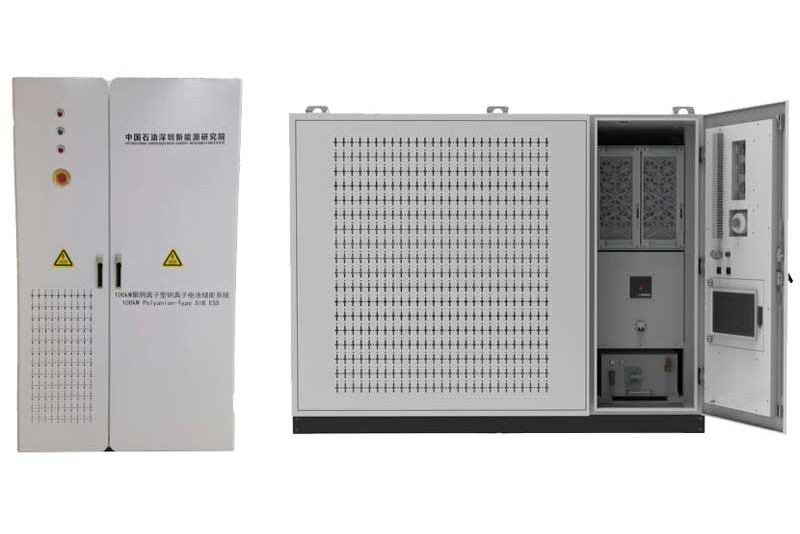
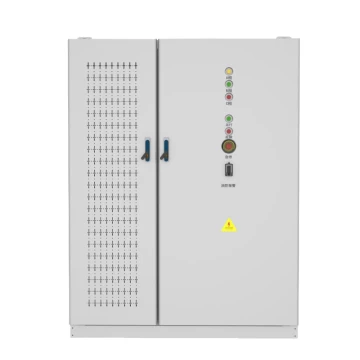
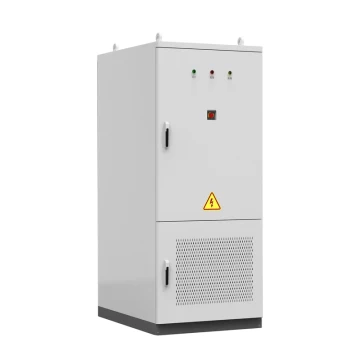
Large-scale C&I Energy Storage Cabinets can be deployed to provide "Black Start" capabilities for local microgrids. In areas where the main transmission lines are severed, these high-capacity systems can stabilize local distribution, providing enough initial power to restart essential community services like water pumping stations and emergency shelters.
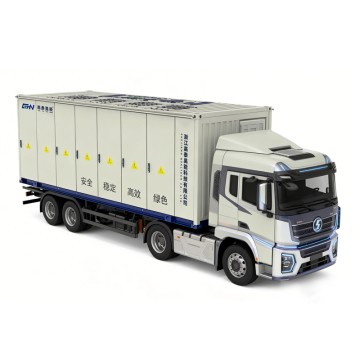
As fire departments and police forces transition to electric fleets, the need for mobile charging becomes paramount. A Mobile Energy Storage Vehicle acts as a "power bank on wheels," capable of fast-charging stranded electric rescue vehicles in remote areas where charging infrastructure has been destroyed.
Zhejiang Qualtech Co., Ltd. (referred to as Qualtech) was established in 2011 and is headquartered in Hangzhou, Zhejiang. It is a national high-tech enterprise, the third batch of specialized, refined, and new "little giant" enterprises by the Ministry of Industry and Information Technology, and currently a leading enterprise in both the new energy vehicle BMS and energy storage BMS sub markets in China.
With over a decade of experience, we specialize in providing the core technology that makes Electric Battery Storage for Emergency Disaster Relief possible. Our full-stack self-development capabilities ensure that our products meet the highest standards of reliability required by first responders worldwide.
Learn MoreEstablished
Expert Employees
Intellectual Property
Global Customers



17 June 2026

04 June 2026

29 May 2026

Quality first, reputation first, management oriented, service sincere
© 2026 Zhejiang Qualtech Co., Ltd. All Rights Reserved. Specialized in Emergency Energy Solutions.