
 +86 17326062766
Leave Your Message
-
Contact WhatsApp
-
 Contact Phone
-
 Contact Email
High-capacity energy storage cabinets, smart BMS controllers, and DC-coupled solar storage systems engineered for instant power restoration in disaster zones.
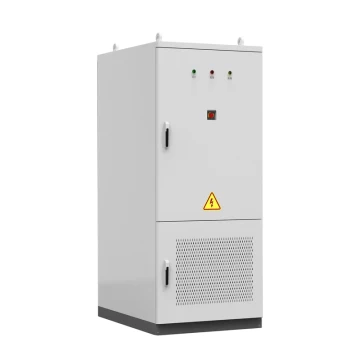

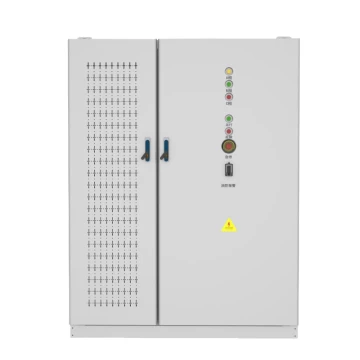
Moving beyond noisy, fuel-dependent fossil generators to silent, zero-emission, cloud-connected Battery Energy Storage Systems (BESS).
When natural disasters strike—whether severe hurricanes, seismic events, flash floods, or catastrophic wildfires—the centralized electricity grid is invariably the first infrastructure asset to fail. In the immediate aftermath, power blackouts paralyze critical operations, isolate emergency response teams, and jeopardize lives in field medical triage units. Historically, emergency disaster relief relied almost exclusively on legacy diesel or gasoline generators. However, the modern disaster landscape has exposed inherent vulnerabilities in fossil-fuel-based backup systems: severe fuel supply chain disruptions, high noise pollution hindering communication, toxic exhaust emissions in enclosed field tents, and frequent mechanical breakdowns due to lack of real-time monitoring.
Today, Electric Power Storage For Emergency Disaster Relief And First Responders has transitioned from an auxiliary luxury to an indispensable, core strategic asset. Modern high-capacity Battery Energy Storage Systems (BESS), driven by advanced Lithium Iron Phosphate (LiFePO4) chemistries, modular liquid-cooling architectures, and intelligent Battery Management Systems (BMS), offer instantaneous, uninterruptible power supply (UPS) capabilities. These microgrid systems integrate seamlessly with mobile solar arrays and vehicle-to-grid (V2X) platforms, providing resilient power to first responder units in the most challenging and remote disaster zones worldwide.
The global emergency energy storage sector is undergoing exponential growth, propelled by the increasing frequency of extreme climate events and stringent governmental mandates for critical infrastructure resilience. Municipal public safety agencies, humanitarian organizations (such as the Red Cross and UN Disaster Relief), defense departments, and telecom carriers are rapidly expanding their procurement of mobile, rapid-deployment BESS assets.
Key commercial trends shaping the market include:
Ensuring maximum thermal control, insulation resistance monitoring, and ASIL-B compliance during harsh off-road operations.
To fully understand the strategic value of electric energy storage in emergency situations, we must examine the specific, high-stress operational environments where first responders depend on continuous power.
During the crucial first 72 hours of a emergency response, search-and-rescue (SAR) teams rely on mobile command vehicles equipped with satellite uplink arrays, drone control stations, mapping servers, and encrypted VHF/UHF radio repeaters. Diesel generators produce acoustic noise and vibrational interference that compromise delicate audio communication and radar signals. Truck-mounted or trailer-mounted lithium BESS units provide silent, vibration-free electrical energy, allowing command centers to operate undetected or unhindered in dense urban or wilderness environments.
Field hospitals require pristine, uninterrupted electrical power with zero voltage sag or transient frequency fluctuation to run life-support machines, surgical lighting, refrigeration for blood bags and vaccines, and diagnostic imaging equipment. Advanced BESS equipped with DC-coupled PV storage inverters deliver millisecond-level switching capability, acting as an impenetrable buffer against grid surges or generator dropouts. Liquid-cooled and immersion-cooled battery architectures ensure optimal operating temperatures even in scorching desert heat or sub-zero emergency zones.
First responders in earthquake debris zones or flooded terrain frequently use lightweight electric tricycles, specialized E-bikes, and compact electric all-terrain vehicles (ATVs) to navigate narrow pathways blocked by rubble. Smart Battery Management Systems (such as 24S Li-ion BMS) engineered specifically for EV applications provide robust over-current, over-charge, and short-circuit protection, guaranteeing that light rescue fleets remain operational under extreme physical vibration and moisture exposure.
When municipal substations fail, liquid-cooled containerized energy storage units (up to 314Ah immersion-cooled container ESS) can be dispatched via flatbed trucks or heavy-lift helicopters to form isolated microgrids. Interfacing with local solar panels and wind turbines, these mega-watt container units stabilize voltage, supply inductive motor loads for water pumping facilities, and restore power to emergency shelters.
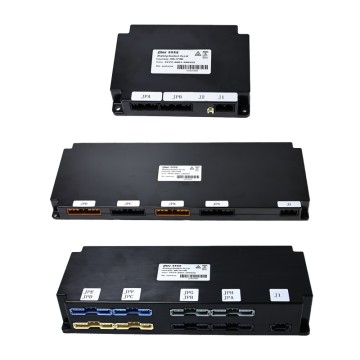
From automotive-grade slave controllers to high-voltage master units, explore our specialized hardware driving emergency power resilience.

Real-time touch telemetry display, cloud management sync, and instant thermal fault diagnostics designed for field command post installation.
System Details
High-accuracy voltage sensing and passive balance routing for robust energy storage racks in harsh weather conditions.
System Details
Powered by NXP 120MHz processor, 2M Flash, ASIL-B safety compliant, tailored for extreme rescue vehicle battery integration.
System Details
Supports up to 1500V system voltage with real-time insulation detection for utility-scale emergency grid stabilization.
System DetailsZhejiang Qualtech Co., Ltd. (referred to as Qualtech) was established in 2011 and is headquartered in Hangzhou, Zhejiang. It is a national high-tech enterprise, awarded the title of national specialized, refined, and new "Little Giant" enterprise by the Ministry of Industry and Information Technology, and currently stands as a leading innovator in both the new energy vehicle BMS and energy storage BMS sectors in China.
Comprehensive microgrid and energy management configurations tailored for zero-downtime disaster recovery operations.



Stay informed about Qualtech's full-stack self-development breakthroughs and strategic international rescue partnerships.

As a full-stack digital smart energy system solution provider, Qualtech relies on independent R&D and in-house manufacturing to ensure rapid delivery during emergency power crises.
Read full release →
Recognized at the prestigious Energy Storage Industry Aurora Award for core hardware performance in grid stabilization and disaster standby applications.
Read full release →
Forging global strategic partnerships to deploy resilient EV charging networks and mobile battery storage units across South America and developing nations.
Read full release →Browse our comprehensive lineup of modular BMS solutions, liquid-cooled energy cabinets, immersion-cooled containers, and DC solar coupled units.


Qualtech collaborates with premier EV manufacturers, grid operators, and emergency supply integrators globally.











