+86 17326062766
Leave Your Message
-
Contact WhatsApp
-
 Contact Phone
-
 Contact Email
Industry-leading battery energy storage systems engineered for renewable energy integration, grid stability, and maximum ROI.
The rapid expansion of solar farms and wind installations worldwide has created an unprecedented demand for reliable, scalable electric power storage systems. As of 2024, global utility-scale battery energy storage capacity surpassed 200 GWh, with projections indicating a tenfold increase by 2030. This explosive growth is driven by the fundamental challenge of renewable energy: solar panels generate power only when the sun shines, but electricity demand is constant and often peaks after sunset.
Electric power storage — particularly Battery Energy Storage Systems (BESS) — bridges this gap by capturing excess solar generation during peak production hours and dispatching it precisely when the grid needs it most. For solar farm operators, developers, and utilities, integrating intelligent storage is no longer optional; it is the cornerstone of a profitable, grid-compliant renewable energy operation.
⚡ Key Insight: Solar farms equipped with co-located BESS can increase revenue by 30–60% through energy arbitrage, capacity payments, and ancillary services — while simultaneously reducing curtailment losses that cost the industry billions annually.
The commercial BESS market for renewable energy is undergoing a structural transformation. Three primary business models are now dominating the industry:
Large-scale solar farms (50 MW and above) are increasingly paired with containerized BESS ranging from 50 MWh to over 1 GWh. These projects participate in wholesale electricity markets, offering frequency regulation, peak shaving, and spinning reserve services. In markets such as California, Texas (ERCOT), Australia's NEM, and the UK's Balancing Mechanism, storage-augmented solar assets command premium capacity payments that dramatically improve project economics.
Factories, data centers, hospitals, and logistics hubs are deploying rooftop solar combined with liquid-cooled BESS cabinets to slash demand charges, achieve energy independence, and meet corporate sustainability targets. The ROI on C&I storage projects has fallen below 5 years in many regions, accelerating adoption across manufacturing belts in Southeast Asia, Europe, and North America.
Remote communities, island grids, and industrial mining operations are replacing diesel generators with solar-storage microgrids. These systems require robust BMS technology capable of operating autonomously, managing multiple energy sources, and maintaining power quality in the absence of a utility grid connection. The total addressable market for off-grid solar storage is estimated at $50 billion through 2030.
The scale of growth in battery energy storage for renewable energy is reshaping global electricity markets.
Technology, policy, and market forces are converging to drive the next wave of innovation in renewable energy storage.
Lithium Iron Phosphate (LFP) has emerged as the dominant chemistry for stationary storage due to its exceptional cycle life (6,000+ cycles), thermal stability, and declining costs. Cell-to-pack (CTP) and cell-to-system (CTS) architectures are eliminating module-level components, increasing energy density by up to 20% while reducing manufacturing complexity. Next-generation 314Ah and 320Ah prismatic cells are enabling single-container systems exceeding 5 MWh.
Air-cooled BESS systems are being rapidly displaced by liquid-cooled and immersion-cooled architectures in utility-scale applications. Immersion cooling reduces thermal gradients across cell packs to below 2°C, extending calendar life by 15–25% and enabling higher continuous discharge rates. This technology is particularly critical for solar farms in hot climates where ambient temperatures regularly exceed 40°C.
Modern BMS platforms are evolving from passive protection devices into intelligent energy management hubs. Machine learning algorithms predict cell degradation, optimize charge/discharge strategies in real time, and detect early-stage fault signatures weeks before they become safety events. Cloud-connected EMS platforms aggregate data from thousands of cells, enabling predictive maintenance and remote diagnostics that reduce operational costs by up to 40%.
DC-coupled architectures, where the solar array and battery system share a common DC bus through a hybrid inverter, are gaining traction over traditional AC-coupled designs. DC coupling eliminates one conversion stage, improving round-trip efficiency to 92–96% and reducing system cost. This approach is particularly advantageous for new-build solar-plus-storage projects where the entire system can be optimized holistically from the design phase.
Aggregated distributed BESS assets are being orchestrated into Virtual Power Plants (VPPs) that participate in frequency regulation, voltage support, and demand response markets. Solar farm operators can now monetize their storage assets across multiple revenue streams simultaneously — energy arbitrage, capacity markets, ancillary services — maximizing the financial return on their storage investment.
Retired electric vehicle battery packs (typically at 70–80% of original capacity) are finding a second life in stationary solar storage applications. With EV battery costs now below $100/kWh, second-life systems can achieve storage costs of $50–70/kWh — competitive with new LFP systems. This emerging market requires sophisticated BMS solutions capable of managing heterogeneous cell batches with varying state-of-health profiles.
From utility-scale grid stabilization to remote electrification, BESS technology is enabling entirely new operational paradigms for solar energy.
Grid operators frequently curtail solar generation during periods of oversupply, wasting clean energy. Co-located BESS absorbs this excess generation instead of curtailing it, then dispatches it during evening demand peaks. In markets with high curtailment rates (China, California), this single use case can recover 10–20% of a solar farm's annual generation, directly improving project IRR.
BESS systems respond to grid frequency deviations within milliseconds — far faster than any thermal generator. Solar farms with integrated storage can provide Primary Frequency Response (PFR) and Automatic Generation Control (AGC) services, earning premium payments from grid operators. In the UK, Australia, and the US, these services generate $20,000–$80,000 per MW per year in additional revenue.
Advanced BESS systems can provide black start services — the ability to restart a portion of the grid after a complete blackout without drawing power from the external grid. Solar-storage microgrids with this capability are critical for hospitals, military bases, and data centers that cannot tolerate any interruption in power supply.
Large industrial facilities face demand charges that can represent 30–50% of their electricity bills. Behind-the-meter solar-storage systems charge during low-demand periods and discharge during peak production hours, flattening the load profile and eliminating costly demand charge spikes. Smart BMS platforms with predictive load forecasting can automate this process, optimizing the charge/discharge schedule in real time.
The proliferation of DC fast chargers (150–350 kW) creates massive demand spikes that distribution networks struggle to accommodate. Integrated solar-storage systems at EV charging hubs buffer these peaks, enabling high-power charging without expensive grid upgrades. This "light-storage-charging" integration model is rapidly scaling across China, Europe, and North America.
Diesel-dependent island grids and remote communities represent one of the most compelling applications for solar-storage systems. Replacing diesel with solar-BESS microgrids reduces fuel costs by 60–80%, eliminates fuel logistics challenges, and provides cleaner, more reliable power. The BMS must handle complex multi-source management, including solar, wind, diesel backup, and grid tie — all within a single, unified control architecture.
Qualtech delivers end-to-end electric power storage solutions across microgrid, integrated light-storage-charging, and industrial system scenarios.
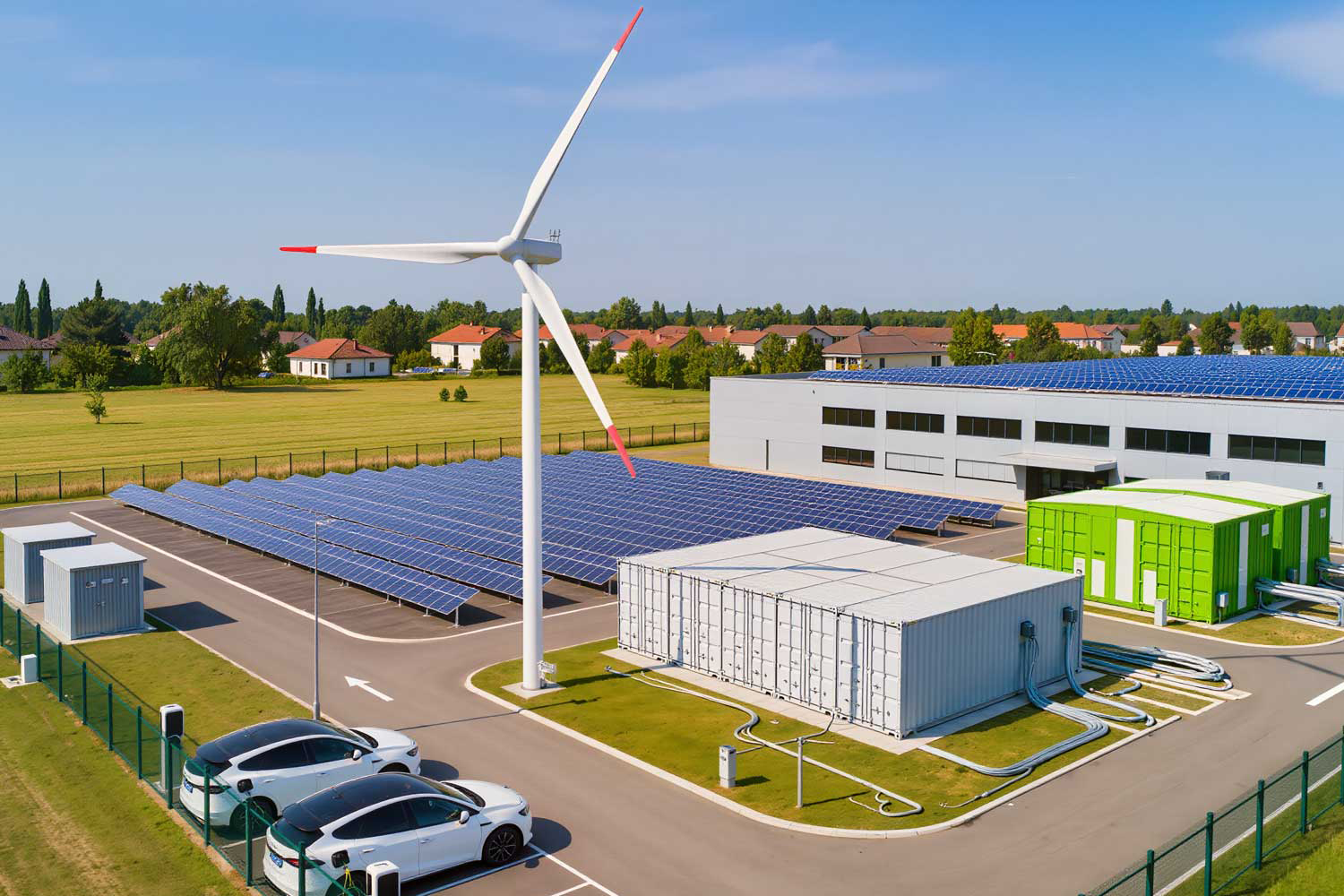
Autonomous solar-storage microgrid solutions delivering reliable power for off-grid communities, industrial sites, and island grids with intelligent multi-source energy management.
 View More
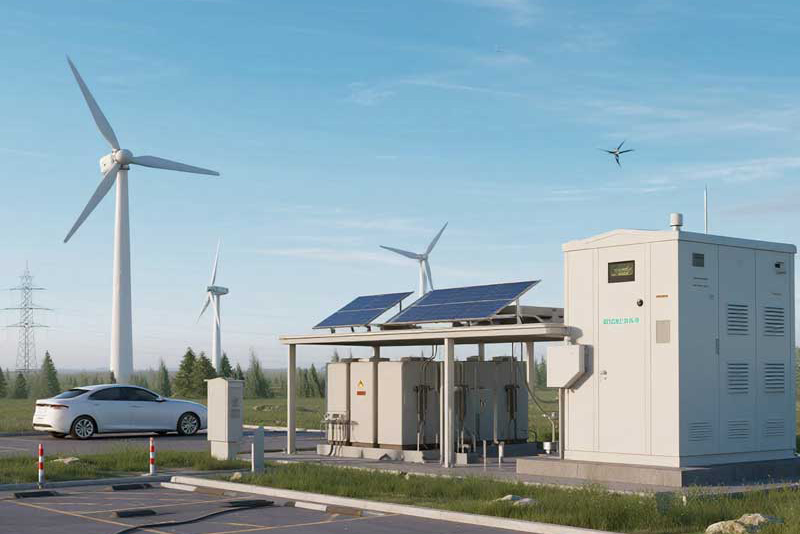
DC-coupled solar-storage-charging hubs that buffer EV fast-charging demand peaks, maximize self-consumption, and generate multiple revenue streams from a single integrated system.
View More
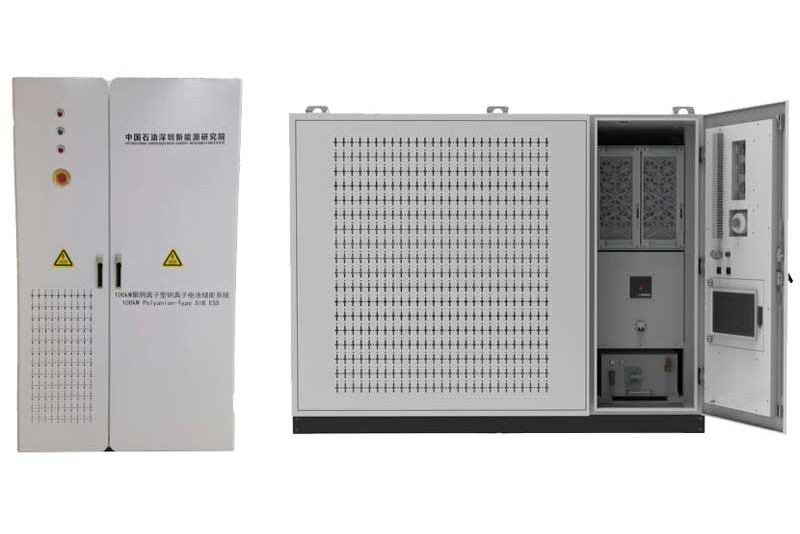
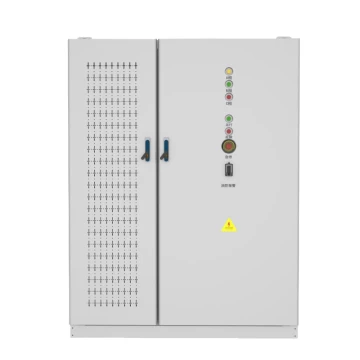
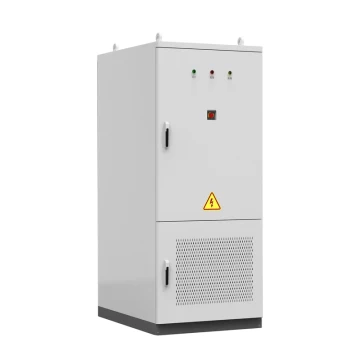
Turnkey commercial and industrial energy storage cabinet systems with liquid cooling, integrated BMS/PCS/EMS/TMS, and cloud monitoring for peak shaving, demand management, and grid services.
View More
Explore Qualtech's comprehensive range of electric power storage and battery management system products for renewable energy and solar farm applications.
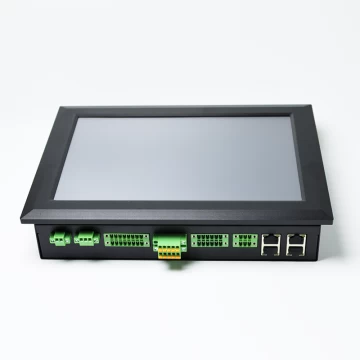
Advanced BMS display and control unit for ESS applications, providing real-time monitoring, fault diagnostics, and system control for solar farm energy storage installations.
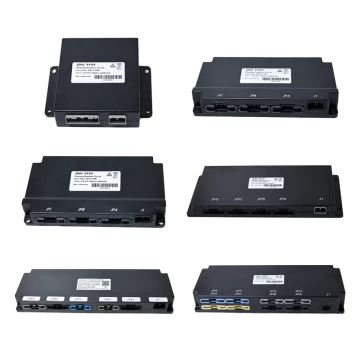
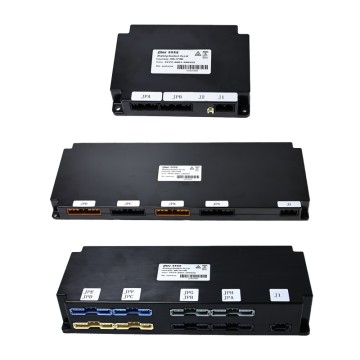
Precision passive balancing slave units designed for large-scale ESS battery packs in solar farm and grid-scale energy storage applications, ensuring optimal cell uniformity and longevity.
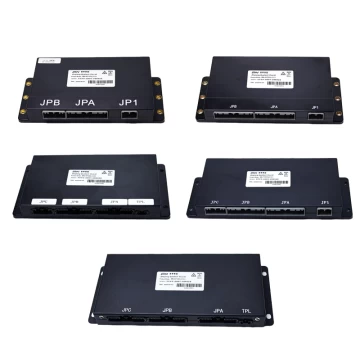
● MCU: S32K312/NXP, 120MHz, 2M Flash, ASIL B ● AFE: High-precision cell voltage and temperature monitoring ● Designed for EV and energy storage vehicle applications
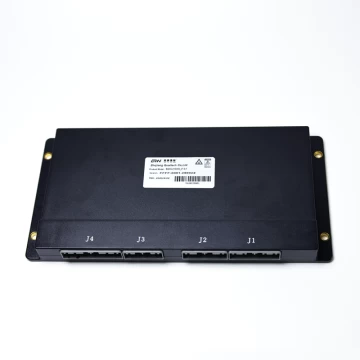
● Supports 1500V total voltage and insulation resistance monitoring ● Automotive-grade reliability for mobile energy storage and EV applications ● CAN/LIN communication protocols

All-in-one BMS with voltage, temperature, and current sensing. Supports over-charge, over-discharge, over-current, over-temperature, under-temperature, and short-circuit protection.
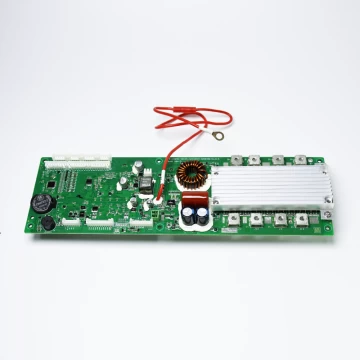
Intelligent 16S LiFePO4 BMS optimized for residential solar storage systems. Features smart SOC/SOH estimation, Bluetooth communication, and comprehensive multi-level protection.
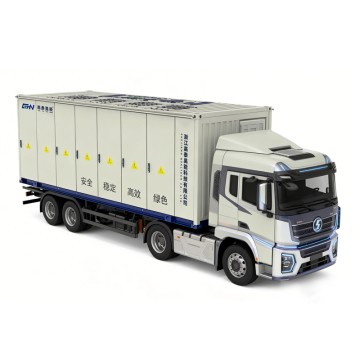
Deployable truck-mounted battery energy storage system for rapid-response emergency power, temporary grid support, and mobile solar farm backup applications.
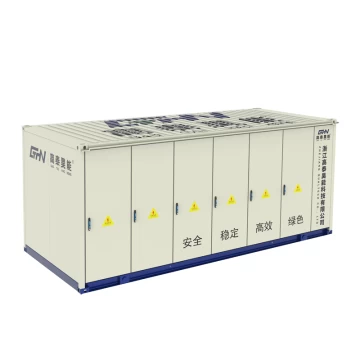
High-density containerized BESS with 314Ah LFP cells and immersion cooling technology, purpose-built for utility-scale solar farm co-location and commercial grid applications.
ZheJiang Qualtech Co., Ltd. (referred to as Qualtech) was established in 2011 and is headquartered in Hangzhou, Zhejiang. It is a national high-tech enterprise, the third batch of specialized, refined, and new "little giant" enterprises by the Ministry of Industry and Information Technology, and currently a leading enterprise in both the new energy vehicle BMS and energy storage BMS sub markets in China.
With over a decade of focused R&D in battery management technology, Qualtech delivers full-stack digital smart energy solutions for solar farms, renewable energy installations, and electric vehicle applications across global markets.
 More About Qualtech
Qualtech's electric power storage and BMS solutions are trusted by leading manufacturers, utilities, and integrators worldwide.











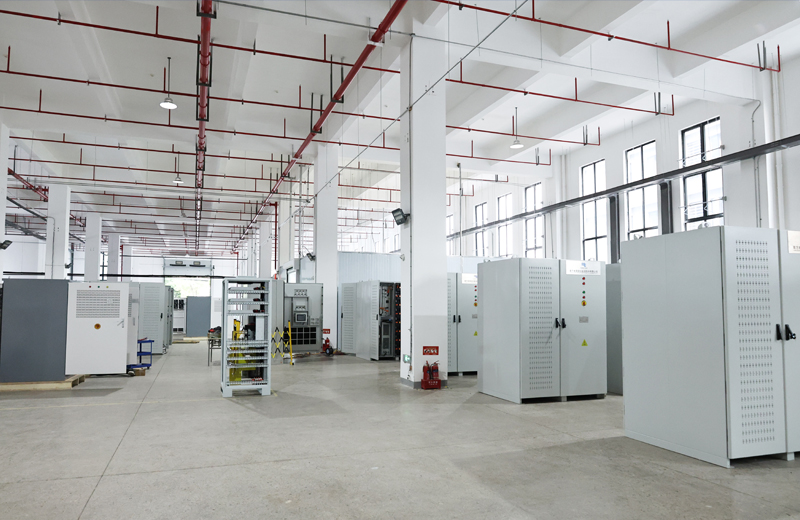
As a full-stack digital smart energy system solution provider, Qualtech has always been anchored by independent R&D and in-house manufacturing...
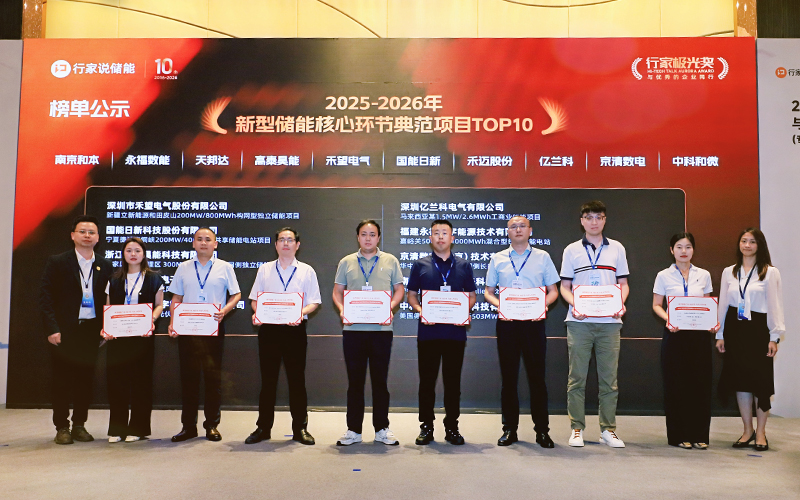
The results of the prestigious industry award, the Energy Storage Industry Aurora Award (hosted by Energy Storage Talk), have recently been announced...
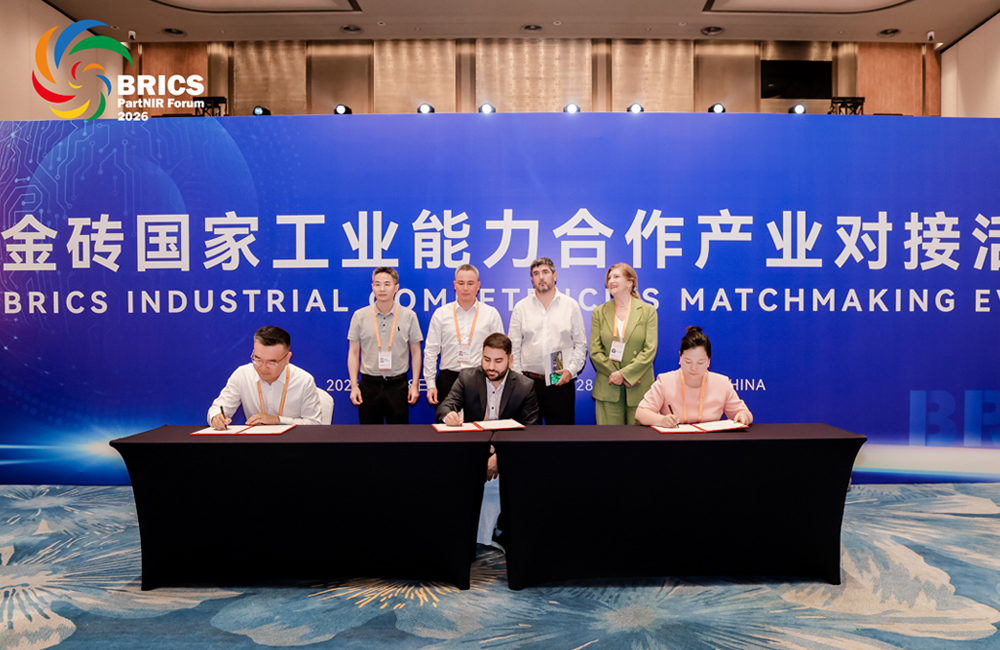
The 2026 BRICS Partnership on New Industrial Revolution (BPNIR) Forum opened recently in Xiamen, Fujian Province. Centered on the theme "Building..."
From intelligent BMS units to turnkey containerized BESS — Qualtech's full product portfolio covers every layer of the solar farm energy storage stack.