
 +86 17326062766
Leave Your Message
-
Contact WhatsApp
-
 Contact Phone
-
 Contact Email
Engineered specifically to absorb pulsed charging loads, prevent transformer overloading, and supply continuous megawatt-level output for multi-bay EV charging corridors.
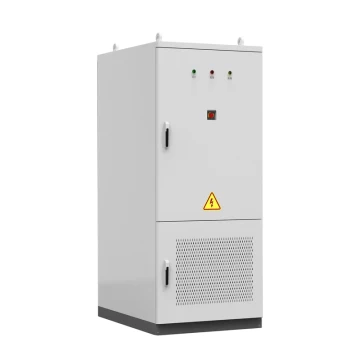
All-in-one outdoor storage cabinet integrated with high-efficiency liquid cooling, sub-second response BMS, and bidirectional PCS, optimized for rapid EV supercharging power compensation.
Explore Architecture →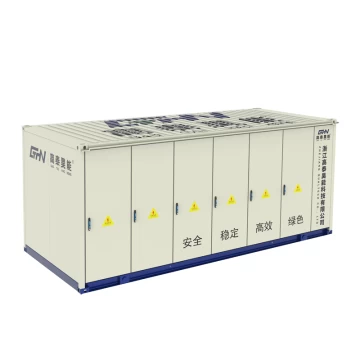
Utility-grade megawatt-hour container utilizing advanced immersion thermal management and 314Ah cells, preventing thermal runaway during continuous high-C rate EV charging spikes.
Explore Architecture →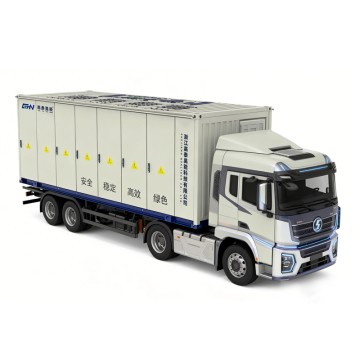
Rapidly deployable mobile power storage truck designed for holiday highway EV charging surges, remote event charging, and immediate grid reinforcement during transmission outages.
Explore Architecture →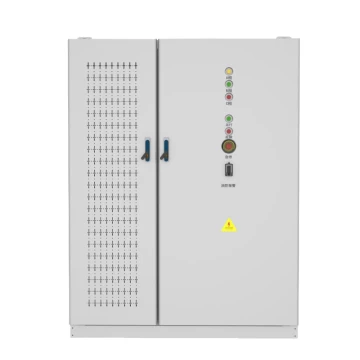
Highly integrated DC-coupled solar and storage conversion platform, delivering round-the-clock green energy self-consumption for smart EV charging parks and microgrids.
Explore Architecture →The global transportation sector is undergoing a monumental transition toward zero-emission electric mobility. However, the mass deployment of High-Power Charging (HPC) networks—frequently deploying simultaneous 350 kW to 600 kW liquid-cooled DC fast chargers—presents an unprecedented challenge to traditional municipal distribution networks. When multiple electric commercial vehicles or long-range passenger EVs initiate fast charging concurrently, the resulting instantaneous megawatt-level power draw can cause severe local voltage dips, transformer thermal overload, and severe harmonic distortion across the electrical feeder.
Upgrading local substation transformers and laying dedicated high-voltage distribution lines often requires between 18 and 36 months of bureaucratic permits and millions of dollars in capital expenditure. Dedicated Energy Storage Stations for Electric Vehicle Charging Stations provide an immediate, cost-effective, and highly scalable alternative. Functioning as a high-capacity power buffer, an on-site Battery Energy Storage System (BESS) continuously absorbs baseline power from the utility grid or local solar arrays during off-peak windows and discharges dynamically during high-demand EV charging spikes, effectively decoupling instantaneous charging demand from grid capacity constraints.
Clips abrupt multi-megawatt demand spikes triggered by simultaneous fast charging events, virtually eliminating punitive commercial maximum demand charges from utility bills.
Allows charging point operators (CPOs) to deploy 480kW+ ultra-fast dispensers at sites where the local utility transformer cannot supply more than 100kVA to 200kVA of grid headroom.
Charges battery modules during cheap nighttime or surplus renewable intervals and sells energy to EV drivers or local microgrids at peak pricing tariffs, generating dual revenue streams.
An industrial-grade energy storage facility at an electric vehicle charging station consists of four tightly synchronized subsystems: the electrochemical battery rack (typically high-cycle LiFePO4 or sodium-ion), an automotive-grade Battery Management System (BMS), a bidirectional Power Conversion System (PCS), and an AI-driven Energy Management System (EMS). In an EV charging application, battery cells encounter rapid, erratic cycling regimes characterized by unpredictable C-rates, sudden high-current discharges, and frequent shallow charging cycles as vehicles arrive and depart.
To maintain multi-year reliability under such harsh operating conditions, modern charging storage facilities utilize 1500V high-voltage DC architectures combined with active thermal dissipation (either advanced cold-plate liquid cooling or non-flammable dielectric immersion cooling). A 1500V system significantly lowers system electrical currents compared to legacy 800V or 1000V systems, reducing cable cross-sections, lowering copper resistive losses ($I^2R$), and increasing round-trip electrical efficiency (RTE) up to 91% or higher.
| Key Parameter | Standard Commercial BESS | Qualtech High-Rate EV Charging BESS | Engineering Advantage in EV Hubs |
|---|---|---|---|
| System Voltage Platform | 800V – 1000V DC | 1500V High-Voltage Architecture | 35% lower resistive loss, reduced thermal buildup under 2C/3C pulse charging. |
| BMS Functional Safety | Industrial Standard (Basic) | Automotive ASIL B / ASIL D Compliant | Fail-safe isolation, millisecond contactor trip, zero single-point failure. |
| Cell Balancing Strategy | Passive Balancing (<100mA) | Active Bi-directional Balancing (Up to 5A) | Re-equalizes cell capacities dynamically during intermittent charging surges. |
| Thermal Management | Forced Air Cooling | Liquid-Cooled / Immersion Dual Channel | Maintains cell $\Delta T \le 2.5^\circ\text{C}$, preventing localized thermal accelerated aging. |
| Grid Response Latency | 100ms – 500ms | < 20ms High-Speed Vector Control | Absorbs EV charging plug-in spikes instantaneously without triggering substation breakers. |
The integration of energy storage stations into EV charging infrastructure cannot be solved with a single standardized template. Real-world commercial and industrial charging demands diverge heavily across highway corridors, urban delivery fleets, commercial office complexes, and isolated microgrids. Below is an engineering evaluation of the primary deployment archetypes:
Interstate rest stops and long-haul transport corridors encounter intense temporal peaks during holiday travel and mandatory commercial driving rest windows. Megawatt Charging Systems (MCS) designed for Class 8 heavy electric trucks draw between 1 MW and 3.75 MW per vehicle.
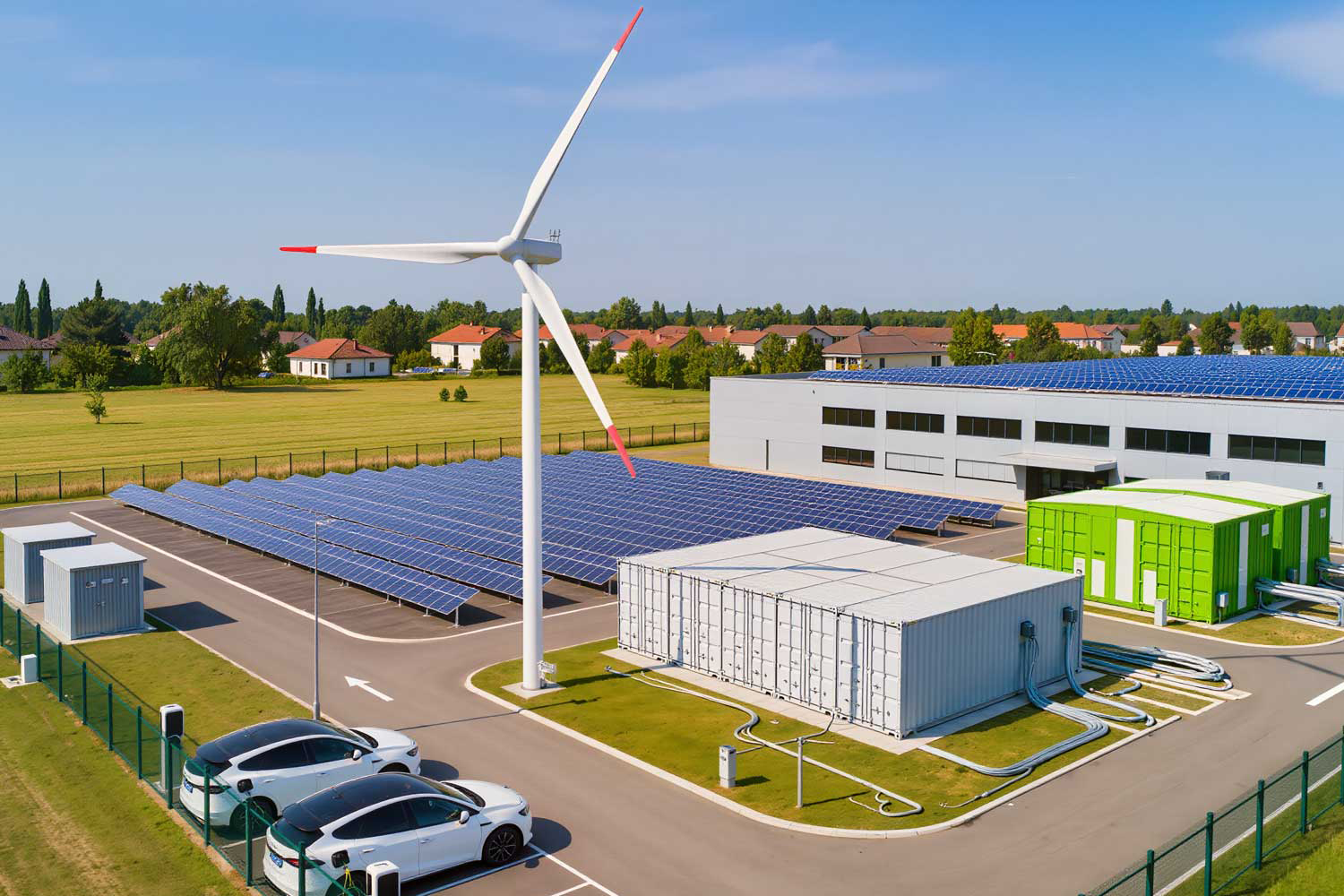
Urban commercial plazas and corporate campuses leverage solar canopies deployed over parking spaces. When married to a centralized energy storage station, the solar carport becomes an autonomous green energy microgrid.
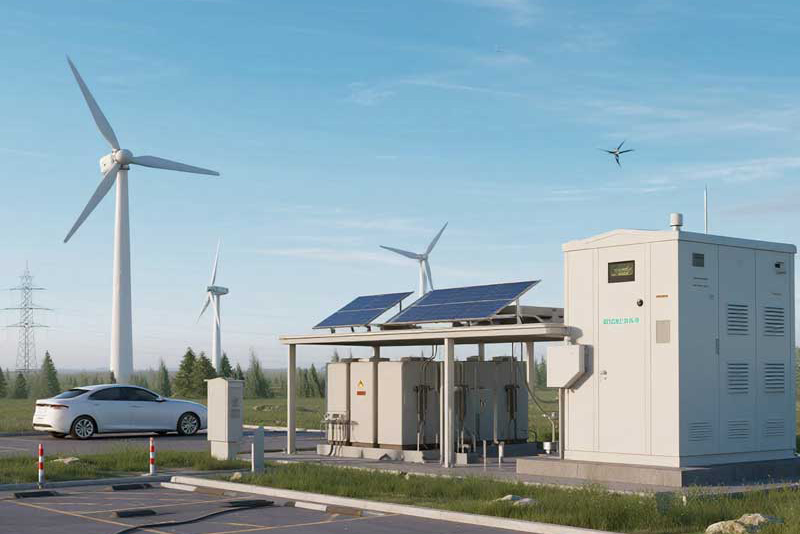
E-commerce parcel delivery vans return to depots simultaneously between 6:00 PM and 9:00 PM, creating a concentrated surge during the most expensive peak utility tariff periods.
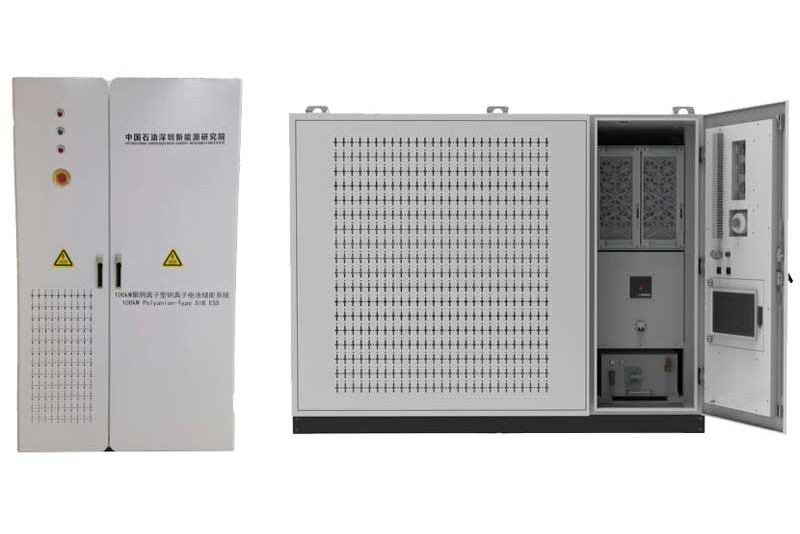
ZheJiang Qualtech Co., Ltd. (referred to as Qualtech) was established in 2011 and is headquartered in Hangzhou, Zhejiang. It is a national high-tech enterprise, honored as part of the third batch of specialized, refined, and new "little giant" enterprises by the Ministry of Industry and Information Technology, and currently stands as a recognized pioneer across both the new energy vehicle BMS and industrial energy storage BMS sub-markets in China.
By consolidating in-house manufacturing bases, automotive-grade ISO26262 ASIL functional safety certifications, and deep algorithmic expertise spanning battery state estimation (SOC, SOH, SOP), Qualtech delivers integrated energy storage stations and battery management architectures that make ultra-fast electric vehicle charging scalable, safe, and commercially viable.
Full-chain engineering integration from cell-level management to megawatt power conversion and cloud-coordinated dispatch.
Islandable microgrid network architecture pairing high-capacity BESS with EV charging piles, ensuring uninterrupted service in weak-grid areas.
View System Details
Holistic solar PV canopy, storage battery, and fast charger nexus optimizing zero-carbon green power self-consumption in commercial parks.
View System Details
Scalable multi-cabinet cluster solution with automated active balancing BMS, reducing lifecycle battery degradation by up to 28%.
View System Details
Qualtech supplies mission-critical BMS controllers and storage solutions to top-tier EV manufacturers and utility-scale renewable developers.












Stay informed on full-stack smart energy deployments, global strategic alliances, and milestone storage projects.
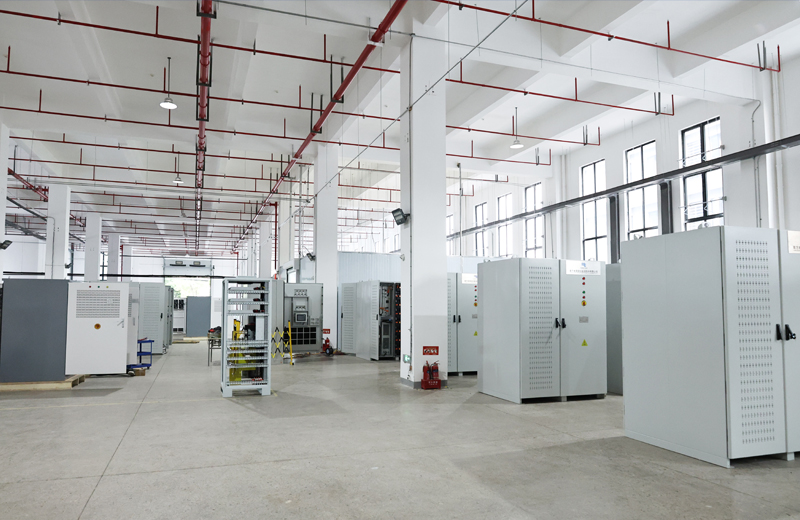
As a full-stack digital smart energy system solution provider, Qualtech has anchored independent R&D and precision manufacturing to deliver advanced EV and BESS controllers globally.
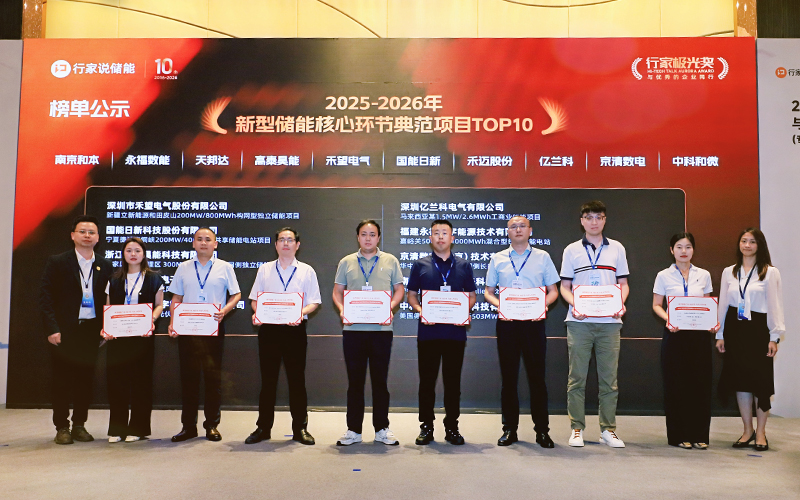
The prestigious Energy Storage Industry Aurora Award recognized Qualtech's core BMS and liquid-cooled hardware for excellence in stabilizing large-scale charging networks.

At the BRICS Partnership Forum, Qualtech forged international strategic partnerships to deploy BESS-integrated smart charging station networks across Latin America.

From automotive-grade master controllers to active balancing slave units, our component hierarchy ensures total safety and maximum lifespan for high-rate EV charging storage assets.
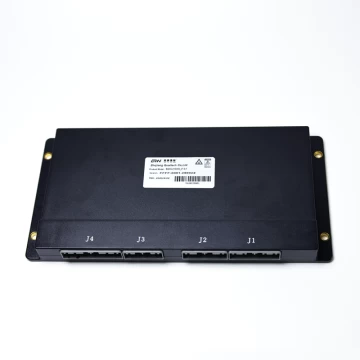
Supports 1500V total string voltage and advanced insulation resistance monitoring, designed for high-capacity EV charging energy storage clusters.
View Specifications →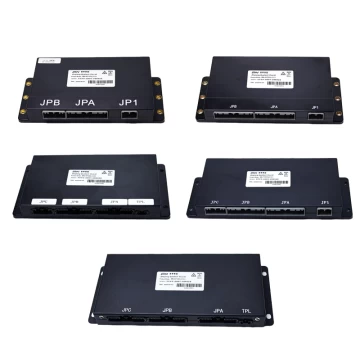
Engineered with NXP S32K automotive MCU, ASIL B functional safety rating, and high-precision millivolt cell sampling under dynamic load pulses.
View Specifications →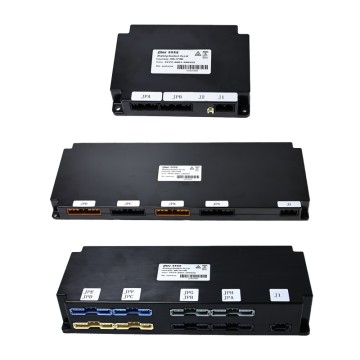
Bidirectional active balancing transfers energy between outlier cells dynamically, recovering up to 10% lost usable capacity during rapid EV charge cycles.
View Specifications →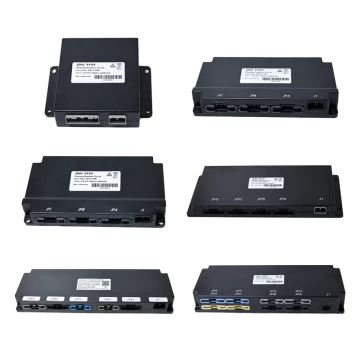
Reliable, ultra-cost-efficient cell monitoring module featuring high-voltage isolation, fault diagnostics, and rapid CAN-bus telemetry for EV stations.
View Specifications →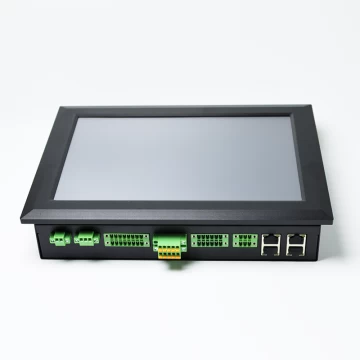
Integrated real-time screen display, protocol gateway, and data logging console offering on-site operators visual health statistics of the EV storage rack.
View Specifications →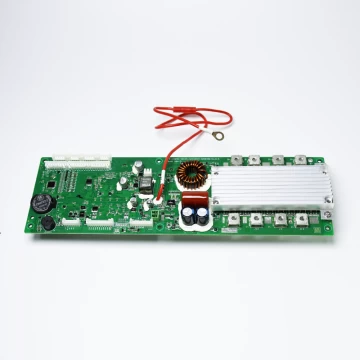
Compact 48V/100A smart battery management system perfect for auxiliary low-voltage controls, charging pile backup power, and distributed buffer banks.
View Specifications →
All-in-one smart board with comprehensive voltage, temp, and current sensing, providing short-circuit and multi-tier thermal protection for support packs.
View Specifications →
Turnkey megawatt container equipped with automatic aerosol and clean-agent fire suppression, immersion cell tanks, and native SCADA cloud telemetry.
View Specifications →