+86 17326062766
Leave Your Message
-
Contact WhatsApp
-
 Contact Phone
-
 Contact Email
Explore our high-performance BESS and advanced BMS controllers designed to stabilize grids, eliminate peak demand charges, and enable ultra-fast EV charging.
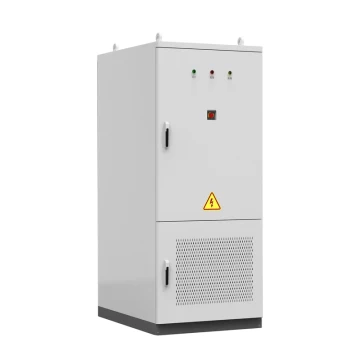
Integrating BMS, PCS, EMS, TMS, and Cloud monitoring. Perfect for high-power EV charging stations requiring peak shaving and thermal stability.
Learn More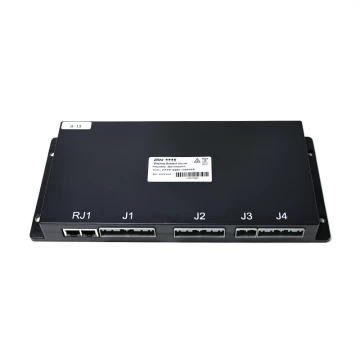
Advanced cluster controller designed for large-scale multi-rack energy storage systems supporting heavy-duty EV charging network integration.
Learn More
Ensures high precision cell voltage and temperature monitoring, optimized for multi-cell stationary batteries at commercial EV charging hubs.
Learn More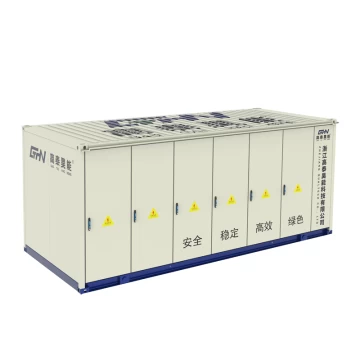
High-capacity immersion-cooled containerized BESS. Offers superior safety and heat dissipation for megawatt-scale EV fast charging parks.
Learn MoreThe rapid global transition toward electric vehicles (EVs) has triggered an unprecedented demand for high-power DC fast charging (DCFC) infrastructure. As battery capacities grow and drivers demand shorter charging times, EV charging stations are shifting from standard 7kW AC chargers to ultra-fast 150kW to 350kW DC chargers. However, deploying multiple ultra-fast chargers at a single location introduces massive spikes in electrical demand. For commercial and industrial (C&I) operators, this shift presents severe operational and financial hurdles.
From a grid perspective, the simultaneous charging of several EVs can easily exceed local transformer capacities, leading to voltage drops, grid instability, and even localized blackouts. Utility companies impose heavy penalties in the form of "demand charges"—fees based on the peak electricity usage recorded during a billing cycle. In many cases, these demand charges can account for over 50% of an EV charging station's monthly utility bill. Upgrading the local grid infrastructure to handle these peak loads is often prohibitively expensive, requiring months or years of regulatory approvals and civil works.
This is where an Energy Storage System (ESS) for Electric Vehicle Charging Stations becomes a commercial game-changer. By decoupling grid draw from vehicle charging, a Battery Energy Storage System (BESS) acts as a power buffer. It stores energy from the grid during low-demand periods (or from local renewable sources like solar panels) and discharges it during peak EV charging hours. This mitigates grid stress, eliminates demand charges, and enables fast charging in areas where grid upgrades are physically or financially unfeasible.
Without an integrated energy storage system, a fast-charging station operator is highly vulnerable to utility demand charges. A single 350kW charger operating for just 15 minutes can set a high peak demand threshold for the entire month, costing thousands of dollars in demand fees. A BESS mitigates this by capping the grid draw (peak shaving), ensuring high-power delivery to the EV while maintaining a flat, low-cost load profile from the grid.
Integrating energy storage systems into EV charging networks is not a one-size-fits-all solution. Depending on the location, traffic volume, and grid strength, several key application scenarios have emerged:
In urban and highway charging stations, vehicle arrivals are highly unpredictable. During peak commute hours, multiple chargers may operate simultaneously, creating a sharp spike in power demand. A C&I energy storage cabinet, such as a liquid-cooled BESS, monitors the real-time grid power consumption. When the total load approaches a pre-configured threshold, the storage system instantly discharges to supply the excess power. Conversely, during off-peak hours (e.g., late at night), the system recharges from the grid at lower tariff rates.
For true sustainability, EV charging must be powered by clean energy. Integrating photovoltaic (PV) solar arrays with energy storage and EV chargers creates a self-sustaining microgrid. The solar panels generate electricity during the day, which is either directed to charging vehicles or stored in the BESS. When solar generation drops in the evening or during cloudy periods, the storage system discharges to keep the chargers running. This setup maximizes local self-consumption of green energy and minimizes carbon footprints.
Large-scale containerized energy storage systems installed at highway charging hubs can do more than support local chargers. When not fully utilized by EVs, these systems can connect to the wider utility grid to provide ancillary services such as frequency regulation, voltage support, and demand response. Station operators can participate in utility programs, generating additional revenue streams by helping grid operators balance supply and demand on a regional scale.
In remote tourist destinations, national parks, or long highway stretches, grid connection is either non-existent or extremely weak. Building traditional grid infrastructure over long distances is economically unviable. In these locations, a microgrid powered by solar, wind, and a robust containerized energy storage system provides a reliable, completely off-grid charging solution. High-voltage BMS and active balancing technologies ensure the battery bank operates safely and efficiently under harsh environmental conditions.
Temporary events, construction sites, and roadside assistance require flexible charging solutions. Mobile energy storage vehicles, equipped with high-capacity battery packs and integrated DC chargers, can be deployed rapidly to provide temporary charging infrastructure. These truck-mounted BESS units are also invaluable for emergency backup power during grid outages, ensuring critical transport corridors remain active.
The efficiency, safety, and lifespan of an energy storage system at an EV charging station depend heavily on its core technologies. A high-performance BESS requires precise control and thermal management to withstand the rapid cycling and high currents associated with EV charging.
The market for energy storage in EV charging is poised for exponential growth. As governments globally mandate the transition to zero-emission vehicles, several key trends are shaping the future of this industry:
First, the rise of Megawatt Charging Systems (MCS) for heavy-duty electric trucks and buses will demand unprecedented levels of power—often exceeding 1MW per charger. Grid connections alone will not be able to handle these loads, making large-scale, containerized BESS an absolute necessity for future fleet depots and logistics hubs.
Second, Vehicle-to-Grid (V2G) technology is transitioning from pilot projects to commercial reality. EVs themselves will act as decentralized energy storage units. A charging station integrated with a stationary BESS and V2G capabilities can create a highly flexible virtual power plant (VPP), trading energy bidirectionally with the grid to maximize grid resilience and operator profitability.
Lastly, the utilization of second-life batteries—repurposed EV batteries that still retain 70-80% of their original capacity—is becoming a popular cost-effective option for stationary C&I energy storage. Supported by smart BMS that can handle cell mismatching, second-life BESS reduces initial capital expenditure while promoting a circular economy.
ZheJiang Qualtech Co., Ltd. (referred to as Qualtech) was established in 2011 and is headquartered in Hangzhou, Zhejiang. It is a national high-tech enterprise, recognized as a specialized, refined, and new "little giant" enterprise by the Ministry of Industry and Information Technology. Today, Qualtech stands as a leading enterprise in both the new energy vehicle BMS and energy storage BMS sub-markets globally, delivering state-of-the-art digital smart energy solutions.
From cell monitoring to cloud-based energy management, we design and manufacture the core components of modern energy storage systems in-house.
Our systems are deployed globally, enabling smart microgrids, commercial peak shaving, and high-power EV charging infrastructure.












Stay informed with the latest updates on digital energy storage systems, EV charging networks, and global green partnerships.

As a full-stack digital smart energy system solution provider, Qualtech has always been anchored by independent R&D and in-house manufacturing, enabling the seamless delivery of tailored ESS solutions.

The results of the prestigious Energy Storage Industry Aurora Award have recently been announced, honoring Qualtech's innovative BMS and energy storage equipment in key demonstration projects.

At the BRICS Partnership Forum, Qualtech forged a strategic partnership to deploy advanced EV charging station networks integrated with smart energy storage systems in South America.
From individual BMS active balancing boards to megawatt-scale containerized battery storage, we provide the full stack of technology required to build modern, resilient EV charging networks.
Integrated design featuring BMS, PCS, EMS, and Liquid cooling. Optimized for high-power EV charging stations requiring peak shaving and thermal stability.
Learn More
Advanced cluster controller designed for large-scale multi-rack energy storage systems supporting heavy-duty EV charging network integration.
Learn More
Ensures high precision cell voltage and temperature monitoring, optimized for multi-cell stationary batteries at commercial EV charging hubs.
Learn More
High-capacity immersion-cooled containerized BESS. Offers superior safety and heat dissipation for megawatt-scale EV fast charging parks.
Learn More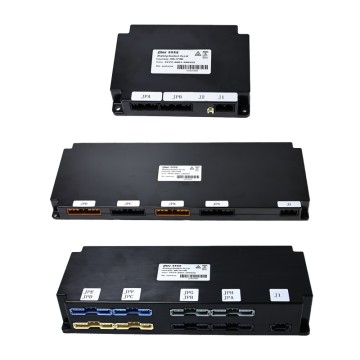
Active balancing technology that transfers energy dynamically between cells, optimizing battery health and capacity for EV charging stations.
Learn More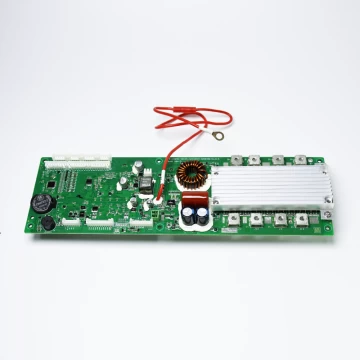
Compact and intelligent BMS solution, ideal for localized or small-scale commercial battery banks integrated with EV chargers.
Learn More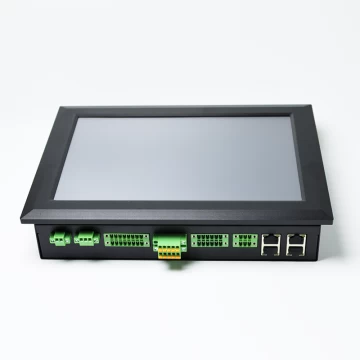
Real-time localized diagnostics and HMI display screen for managing battery bank operations at commercial EV charging hubs.
Learn More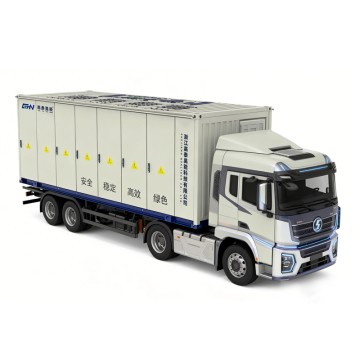
Emergency mobile charging vehicle equipped with high-capacity batteries to provide temporary fast charging during events or power outages.
Learn More