
 +86 17326062766
Leave Your Message
-
Contact WhatsApp
-
 Contact Phone
-
 Contact Email
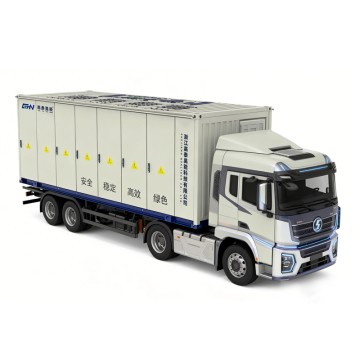
Mobile containerized energy storage vehicle solution designed for heavy-duty marine backup, auxiliary port power, and temporary shore operations.
Explore Product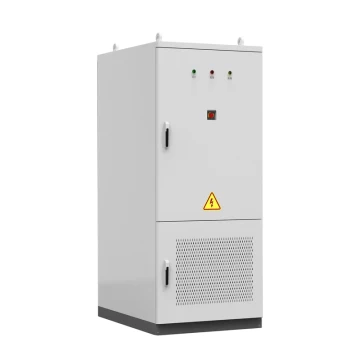
Fully integrated liquid-cooled ESS cabinet delivering maximum safety, high energy density, and thermal stability for demanding yacht engine rooms.
Explore Product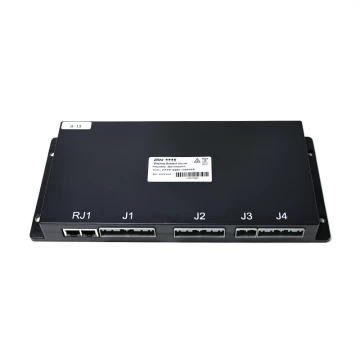
Advanced cluster controller managing multi-level battery systems with robust isolation monitoring and redundant communication protocols.
Explore Product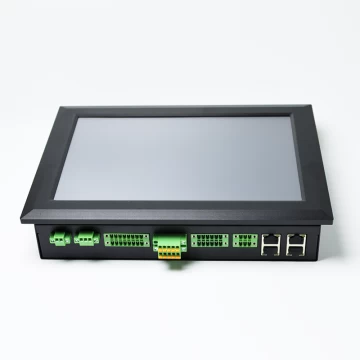
User-friendly human-machine interface (HMI) for real-time monitoring of battery states, temperatures, diagnostics, and cell health on board.
Explore ProductThe maritime industry is undergoing a profound transformation. Driven by stringent international environmental regulations, such as the International Maritime Organization (IMO) targets to reduce greenhouse gas emissions by at least 50% by 2050, vessel operators and yacht owners are rapidly transitioning from traditional diesel propulsion to hybrid and fully electric systems. At the heart of this green transition is the Marine Energy Storage System (ESS).
Marine environments impose some of the most rigorous operating conditions for battery systems. Salt spray, humidity, vibration, and strict space constraints demand high-performance, ultra-reliable energy storage architectures. From luxury superyachts seeking silent, emission-free cruising to commercial vessels requiring high-power peak shaving, modern marine ESS provides the dynamic power and energy reserves required to navigate the future of sustainable shipping.
"Integrating advanced Battery Management Systems (BMS) with liquid-cooled LFP battery packs is no longer just an option for marine vessel builders—it is the baseline standard for achieving the high C-rates, thermal runaway safety, and lifespan required by classification societies worldwide."
Historically, the marine sector relied on heavy fuel oils (HFO) and diesel generators. However, the commercial and industrial status of marine ESS has shifted from experimental pilot projects to mainstream commercial viability. Today, hybrid and pure-electric vessels are actively operating across various sectors:
In a traditional marine setup, generators must be sized to handle peak loads, forcing them to operate far below their optimal efficiency curve during normal cruising. An ESS acts as a dynamic buffer. In hybrid configurations, the batteries supply instantaneous power during load spikes (e.g., heavy seas, acceleration, or maneuvering), allowing the primary engines to run at a constant, highly efficient load. This process, known as peak shaving, dramatically reduces fuel consumption, carbon emissions, and maintenance intervals for the thermal engines.
For vessels requiring high redundancy, such as those operating in Dynamic Positioning (DP2/DP3) modes near offshore rigs, multiple diesel engines must run continuously just to serve as backup (spinning reserve) in case one engine fails. A marine ESS can act as an instantaneous spinning reserve. If a generator goes offline, the battery bank instantly discharges to maintain propulsion and steering, preventing catastrophic drift without burning fuel during standby hours.
Port authorities worldwide are introducing zero-emission zones. Utilizing an ESS, vessels can switch to pure electric power when entering harbors, docking, and discharging cargo. Furthermore, when docked, vessels can plug into shore power to recharge their battery systems, eliminating auxiliary engine emissions entirely. In areas with weak port grids, containerized ESS units on shore act as peak-shaving buffers to facilitate rapid charging of large vessel battery banks.
As battery pack capacities push into the multi-megawatt range, heat management becomes critical. Liquid cooling systems have emerged as the industry standard, replacing air-cooled setups. Liquid cooling provides superior thermal uniformity across all battery cells, preventing localized hot spots that accelerate aging or trigger thermal runaway. This allows for higher C-rate charging and discharging, which is vital for quick-charge passenger ferries and high-speed yachts.
To minimize weight, cable thickness, and transmission losses, marine battery systems are transitioning from 800V to 1500V DC configurations. High-voltage systems require advanced insulation monitoring, robust safety interlocks, and multi-tier Battery Management Systems (BMS) capable of handling extreme voltages safely in a humid, saline environment.
The safety of a marine ESS relies heavily on the sophistication of its BMS. Modern architectures utilize a three-tier system:
1. Slave Units (BMU): Monitor individual cell voltages and temperatures.
2. Master Controller (BCU): Manages battery racks, calculates State of Charge (SOC) and State of Health (SOH), and controls contactors.
3. Cluster Controller (SBCU): Coordinates multiple battery racks in parallel, balancing current distribution and interfacing directly with the vessel's Energy Management System (EMS) and Propulsion Control System.
Integrating cloud diagnostics allows ship operators and onshore maintenance crews to monitor battery health metrics in real-time, enabling predictive maintenance and preventing downtime.
Zhejiang Qualtech Co., Ltd., founded in 2011, is a leading national high-tech enterprise specializing in the design, engineering, and manufacture of advanced BMS and complete Energy Storage Systems. Recognized as a specialized "little giant" by the Ministry of Industry and Information Technology, Qualtech holds over 130 intellectual property rights and serves more than 1,000 global customers. Our automotive-grade BMS technology and high-safety liquid-cooled cabinets are perfectly positioned to meet the demanding requirements of the marine and yachting industries, ensuring safety, reliability, and long cycle life at sea.
ZheJiang Qualtech Co., Ltd. (referred to as Qualtech) was established in 2011 and is headquartered in Hangzhou, Zhejiang. It is a national high-tech enterprise, the third batch of specialized, refined, and new "little giant" enterprises by the Ministry of Industry and Information Technology, and currently a leading enterprise in both the new energy vehicle BMS and energy storage BMS sub markets in China.
We deliver full-stack digital smart energy solutions, integrating independent R&D and advanced in-house manufacturing to meet the strictest quality standards across global industrial, commercial, and marine applications.
Learn More About Us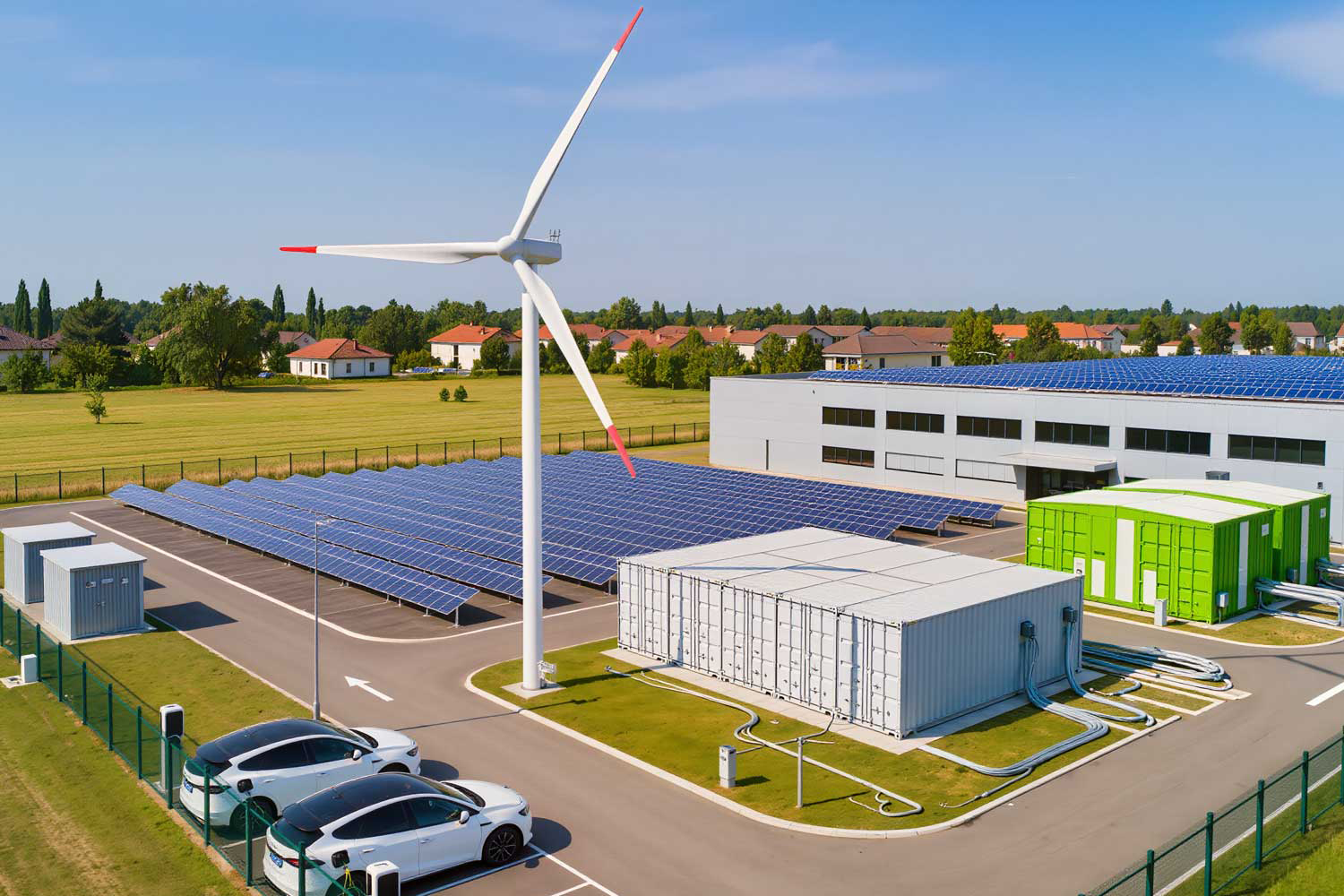
Integrating solar, wind, and battery storage to power island grids, remote ports, and offshore platforms with clean, reliable energy.
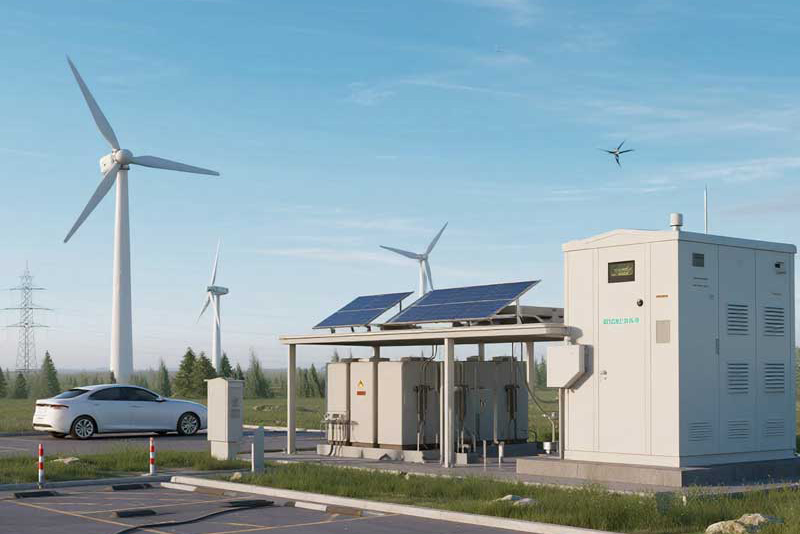
Combining solar photovoltaics and battery storage systems to deliver high-speed charging infrastructure for electric vessels and yachts.
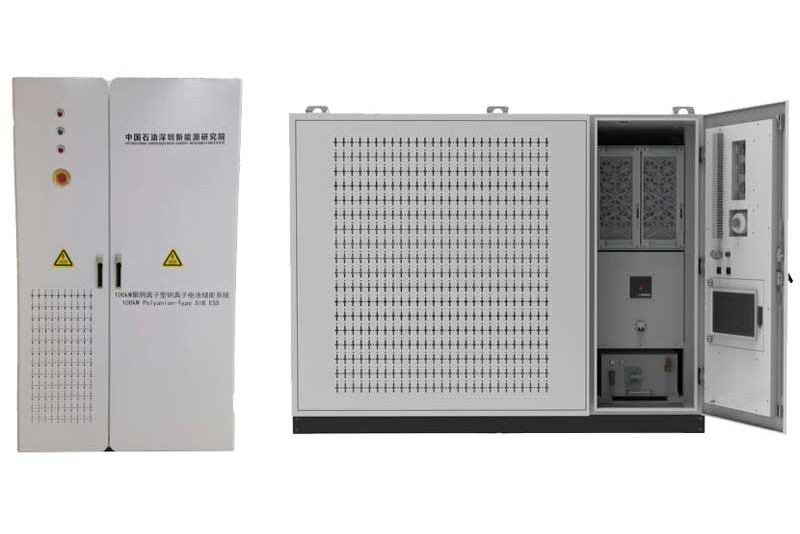
Robust, heavy-duty industrial cabinet designs offering IP67 protection, shock absorption, and integrated thermal management for harsh sea states.











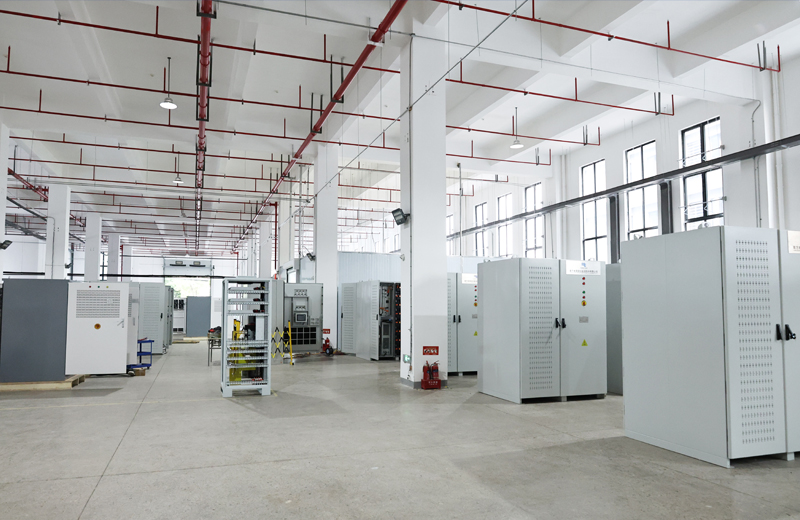
As a full-stack digital smart energy system solution provider, Qualtech has always been anchored by independent R&D and in-house manufacturing...
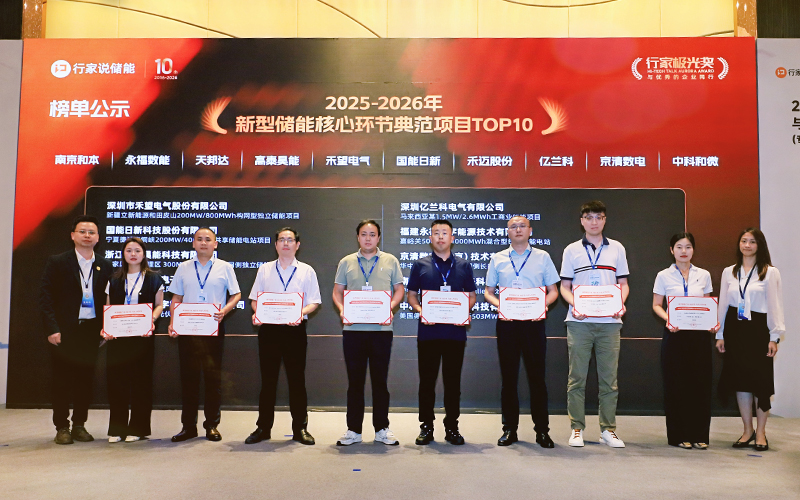
The results of the prestigious energy storage industry award, the Aurora Award, have recently been announced, honoring Qualtech's design excellence...
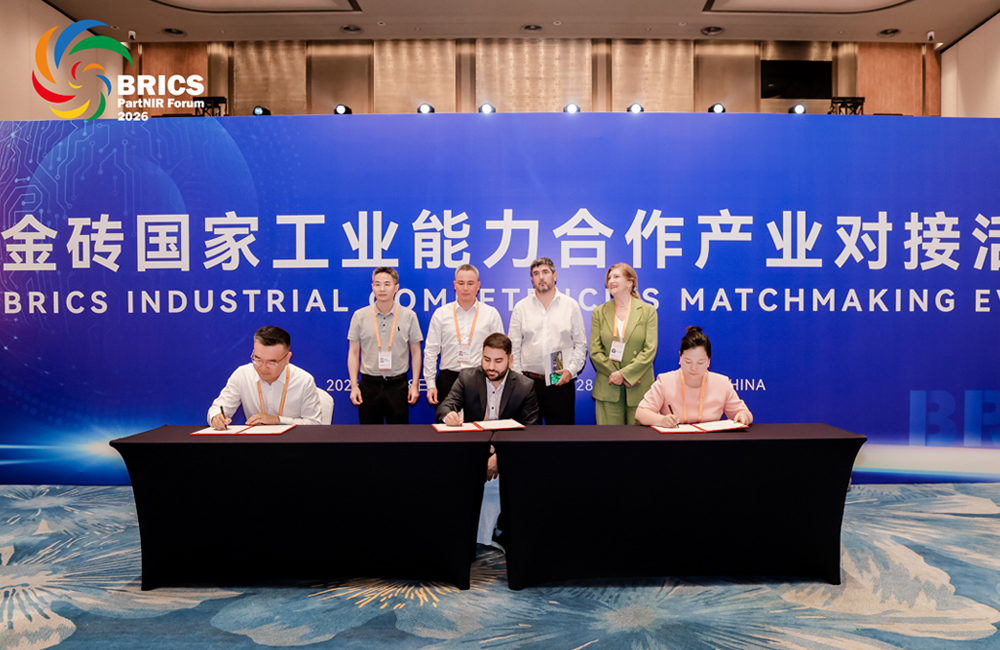
Qualtech has forged a strategic partnership with Argentinian counterparts to deploy extensive EV charging networks and industrial storage systems...
Mobile containerized energy storage vehicle solution designed for heavy-duty marine backup, auxiliary port power, and temporary shore operations.
Explore Product
Fully integrated liquid-cooled ESS cabinet delivering maximum safety, high energy density, and thermal stability for demanding yacht engine rooms.
Explore Product
Advanced cluster controller managing multi-level battery systems with robust isolation monitoring and redundant communication protocols.
Explore Product
User-friendly human-machine interface (HMI) for real-time monitoring of battery states, temperatures, diagnostics, and cell health on board.
Explore Product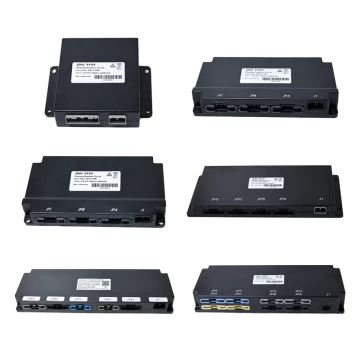
Reliable passive balancing slave units designed for modular configuration and precise cell monitoring in marine battery racks.
Explore Product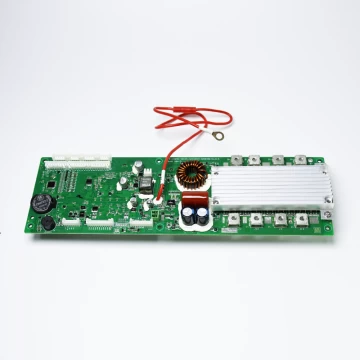
Intelligent management unit for 16S LiFePO4 battery banks, ideal for yacht cabin power, auxiliary loads, and off-grid marine applications.
Explore Product
High-performance smart BMS offering comprehensive over-charge, over-discharge, and short-circuit protections for onboard storage systems.
Explore Product
Robust cluster controller optimized for multi-rack setups, providing seamless integration with yacht power management systems.
Explore Product