+86 17326062766



1. The Intersection of EV Charging Infrastructure & Smart Energy Storage
The global transition toward electric mobility is accelerating at an unprecedented pace. However, the rapid deployment of Ultra-Fast DC charging stations presents a massive challenge to utility grids. High-power chargers, often drawing 150 kW to 350 kW per vehicle, create extreme, unpredictable spikes in electricity demand. If multiple vehicles charge simultaneously, the local grid infrastructure can experience severe voltage drops, transformer overload, and exorbitant demand charges from utility companies.
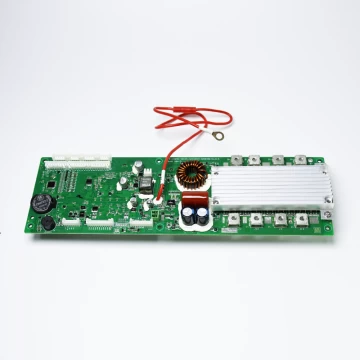
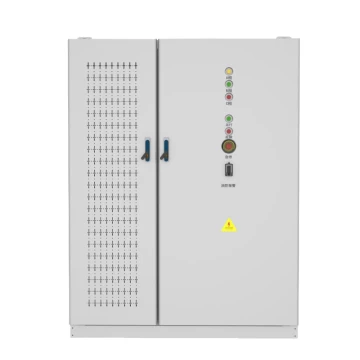
This is where the Hybrid Battery Inverter For Electric Vehicle Charging Stations becomes a critical asset. By acting as the intelligent gateway between the utility grid, localized battery energy storage systems (BESS), solar photovoltaic (PV) arrays, and EV chargers, the hybrid inverter stabilizes power delivery. It allows site operators to buffer energy during low-demand periods and release it instantly when an EV plugs in, mitigating grid stress and optimizing operational economics.
Did You Know?
Integrating a hybrid battery inverter with a Battery Energy Storage System (BESS) can reduce grid capacity requirements for ultra-fast charging stations by up to 60%, avoiding costly utility substation upgrades.
2. Understanding the Hybrid Battery Inverter Architecture
Unlike traditional inverters that only convert DC power from solar panels to AC power for the grid, a hybrid battery inverter is bidirectional. It can manage power flow simultaneously from multiple sources:
- Grid-to-Battery / Grid-to-EV: Drawing AC power from the grid, converting it to DC to charge the storage battery or supply the EV chargers.
- PV-to-Battery / PV-to-EV: Routing clean solar energy directly to the storage batteries or the vehicle charging ports.
- Battery-to-EV: Discharging the localized energy storage system to meet high-demand charging spikes without drawing power from the grid.
- Battery-to-Grid (V2G / FFR): Feeding stored energy back into the grid during peak pricing hours or providing Fast Frequency Response to grid operators.
DC-Coupled vs. AC-Coupled Charging Stations
When designing a solar-plus-storage EV charging station, engineers must choose between AC-coupled and DC-coupled topologies. In a DC-coupled system, the PV array and the BESS share a common DC bus connected through a hybrid battery inverter. This eliminates multiple conversion steps (DC-AC-DC), boosting round-trip efficiency by 5% to 10% compared to AC-coupled designs. For high-throughput charging stations, this efficiency gain directly translates into thousands of dollars saved annually in energy losses.
3. Commercial and Industrial (C&I) Market Dynamics
The C&I sector is currently the largest driver for hybrid battery inverter integration at EV charging sites. Commercial fleet operators, highway service plazas, retail shopping centers, and corporate offices are facing strict regulatory mandates to decarbonize. However, installing multiple fast chargers often requires upgrading local distribution transformers—a process that can take up to 24 months and cost hundreds of thousands of dollars.
By leveraging a hybrid battery inverter system, businesses can bypass these infrastructure bottlenecks. The BESS acts as a "power reservoir." The hybrid inverter slowly fills the reservoir from the grid at a low, steady rate (e.g., 50 kW) and discharges it at a high rate (e.g., 300 kW) when a vehicle needs to charge. This process, known as peak shaving, protects the grid and eliminates peak demand charges, which can account for up to 70% of a commercial electricity bill.
4. Deep-Dive Application Scenarios
A. Highway Fast-Charging Hubs
On major transit corridors, drivers expect rapid turnaround times. Charging hubs must deliver high-power charging consistently. A hybrid inverter system integrated with a 500 kWh to 2 MWh battery bank ensures that even during peak holiday travel seasons, chargers can operate at full capacity without collapsing the local rural grid. If grid power fails, the station can continue to operate in "islanded" microgrid mode, providing emergency charging services to stranded motorists.
B. Urban Fleet Electrification Hubs
Logistics companies transitioning to electric delivery vans or trucks operate on tight schedules. Vehicles must be charged overnight or during short shift changes. A hybrid battery inverter coordinates with the fleet management system to schedule charging based on real-time utility rates. If solar energy is available during the day, it is stored and then discharged into the delivery vans overnight, ensuring the fleet runs on 100% renewable energy.
C. Workplace and Retail Charging with Solar Canopies
Shopping malls and corporate parks are installing solar canopies over parking lots. A hybrid inverter routes the solar energy directly into parked cars. If the cars are fully charged or the sun goes down, the inverter redirects the excess energy to the storage battery or uses it to offset the building's internal electrical load, maximizing self-consumption rates.
5. Technical Synergy: The Role of Advanced BMS
A hybrid battery inverter is only as reliable as the battery system it manages. High-power charging and discharging cycles generate significant thermal stress and cell imbalance within the battery packs. To ensure system longevity and safety, integration with an advanced Battery Management System (BMS) is non-negotiable.
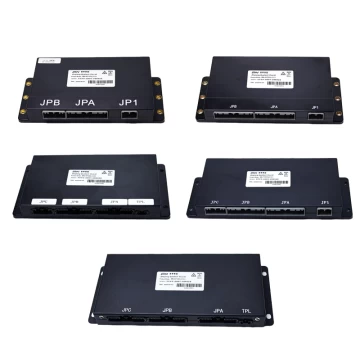
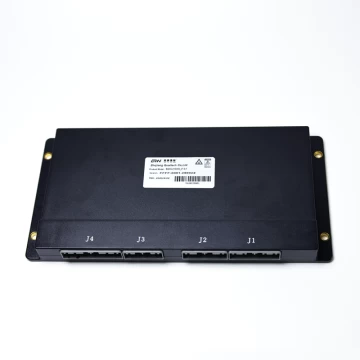
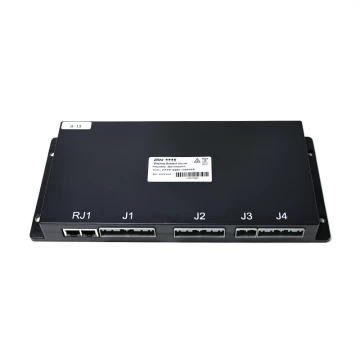
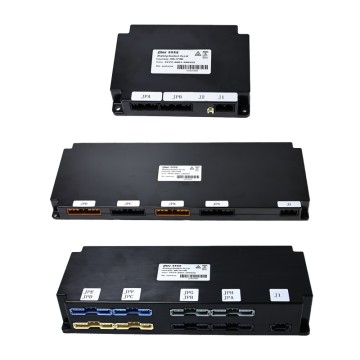
Qualtech’s comprehensive BMS lineup plays a critical role here. The Qualtech SBCU-3131 Battery Management System Cluster Controller monitors voltage, current, and temperature across multiple battery racks, communicating real-time parameters directly to the hybrid inverter via CAN or Modbus protocols. This allows the inverter to dynamically adjust its charging or discharging curves based on the battery's health, preventing overcharging, deep discharging, and thermal runaway. Meanwhile, slave units like the ABMU Series utilize active balancing to redistribute energy between cells, extending the battery bank's lifespan by up to 20% under demanding EV charging conditions.
6. Future Trends: Bidirectional V2G and AI-Driven Dispatch
The future of EV charging stations lies in bidirectionality. Vehicle-to-Grid (V2G) technology allows connected EVs to act as distributed energy resources. In the coming years, hybrid battery inverters will not only charge EVs but will also pull energy from parked vehicles during grid emergencies, compensating vehicle owners for their contribution. Furthermore, AI-driven Energy Management Systems (EMS) are being integrated into hybrid inverters to predict solar generation and EV arrival patterns using machine learning, optimizing when to store, use, or sell energy back to the utility grid.