+86 17326062766
Leave Your Message
-
Contact WhatsApp
-
 Contact Phone
-
 Contact Email
Core products engineered for marine vessels, yachts, and offshore energy systems
Understanding the core technology powering tomorrow's green maritime industry
A hybrid battery inverter for marine vessels and yachting is an intelligent power conversion and management system that seamlessly integrates diesel generators, lithium battery banks, shore power, and renewable energy sources — such as solar panels and wind turbines — into a unified onboard energy architecture. Unlike conventional marine power systems, hybrid inverters enable dynamic load balancing, peak shaving, silent electric-only operation, and real-time energy optimization, drastically reducing fuel consumption and emissions at sea.
Marine hybrid inverters manage bidirectional energy flow — charging battery banks during low-load periods and discharging to supplement propulsion or hotel loads during peak demand, ensuring seamless power continuity without generator cycling.
Purpose-built for the harsh marine environment, these systems feature corrosion-resistant enclosures, vibration-dampening mounts, and IP65+ ratings to withstand salt spray, humidity, and the constant motion of open-water operation.
One of the most valued features for luxury yachts — the ability to operate in full electric mode at anchor, eliminating generator noise and exhaust, delivering a premium onboard experience while meeting zero-emission zone requirements.
The global marine hybrid power market is entering a period of rapid, regulation-driven expansion
The International Maritime Organization (IMO) has mandated a 50% reduction in total greenhouse gas emissions from shipping by 2050 compared to 2008 levels. The EU's FuelEU Maritime regulation and Emission Control Areas (ECAs) in the North Sea, Baltic, and North America are forcing vessel operators to adopt cleaner power solutions. Hybrid battery inverter systems are now a primary compliance pathway for both new builds and vessel retrofits.
The global marine hybrid propulsion market was valued at over USD 4.2 billion in 2023 and is projected to exceed USD 9.8 billion by 2030, growing at a CAGR of approximately 12.6%. Battery inverter systems represent the fastest-growing sub-segment, driven by falling lithium iron phosphate (LiFePO4) cell costs and increasing shipyard confidence in hybrid architectures.
The superyacht and luxury motor yacht segment has been an early adopter of hybrid battery inverter technology. Owners demand silent night anchoring, reduced vibration, and the prestige of eco-friendly operation. Vessels above 24 meters are increasingly specifying hybrid systems as standard, with retrofit programs for existing fleets accelerating across the Mediterranean and Caribbean charter markets.
Short-sea shipping, harbor ferries, offshore support vessels (OSVs), and workboats represent the highest-volume commercial opportunity. Scandinavian ferry operators have demonstrated fuel savings of 20–40% on routes under 30 nautical miles using hybrid battery inverter systems. Port authorities worldwide are now mandating zero-emission berth-side operation, further driving hybrid system uptake.
Key Insight: Fuel savings from hybrid battery inverter systems on commercial vessels typically deliver a return on investment within 3–5 years, with operational savings of 15–35% on annual fuel expenditure depending on duty cycle and route profile. As battery costs continue to decline, the economic case for marine hybridization becomes increasingly compelling across all vessel categories.
Innovation pathways shaping the next generation of marine energy systems
Next-generation hybrid inverters are integrating machine learning algorithms that predict load demand based on vessel speed, sea state, weather, and historical operational data. These AI-powered EMS platforms dynamically optimize generator start-stop cycles, battery charge/discharge curves, and renewable energy harvesting in real time, achieving efficiency gains beyond what static control logic can deliver.
The industry is shifting from 48V and 400V DC bus systems toward 800V and 1000V+ DC architectures, reducing cable weight and losses across large vessels. This mirrors developments in the electric vehicle sector and enables more efficient power distribution from battery banks to propulsion drives, hotel loads, and shore power charging systems.
Modular battery inverter platforms allow naval architects and shipbuilders to right-size energy storage for specific vessel types without custom engineering. Scalable rack-based LiFePO4 battery systems with integrated BMS, combined with multi-input inverters, are enabling rapid standardization across vessel classes from 10-meter RIBs to 80-meter expedition yachts.
Hybrid inverters are evolving to serve as the central hub for multi-source energy harvesting. Modern marine hybrid systems integrate MPPT solar charge controllers, wind turbine rectifiers, regenerative propulsion systems, and waste heat recovery — all managed through a single intelligent inverter platform with unified monitoring via satellite-connected cloud dashboards.
Lloyd's Register, DNV, Bureau Veritas, and ABS are actively developing and updating rules for hybrid and battery-powered vessels. Certified hybrid battery inverter systems with type-approved BMS units are now a prerequisite for commercial vessel compliance, driving demand for rigorously tested, marine-grade power electronics from established manufacturers.
Progressive ports are deploying high-power shore connection infrastructure, and advanced hybrid inverters are being designed to support bidirectional grid interaction — allowing vessels to provide grid stabilization services while berthed. This vessel-to-grid capability opens new revenue streams for fleet operators and aligns with port decarbonization strategies globally.
How hybrid battery inverters are transforming specific marine sectors
Superyachts over 30 meters are integrating 200–800 kWh battery banks managed by multi-channel hybrid inverters. Silent electric cruising at 4–6 knots for 2–4 hours, zero-emission anchoring, and reduced generator run-hours translate directly into lower maintenance costs and enhanced guest experience in noise-sensitive anchorages.
Electric-diesel hybrid ferries on routes up to 15 nautical miles can operate in near-full electric mode, with diesel generators providing range extension and emergency backup. Hybrid inverter systems manage peak acceleration loads from battery banks, significantly reducing engine sizing and fuel burn during constant stop-start ferry operations.
OSVs in dynamic positioning (DP) operations require ultra-reliable, fast-response power. Hybrid battery inverter systems provide instantaneous power backup to DP thrusters, preventing blackouts during generator switching. Battery buffers absorb transient loads, enabling fewer generators to run simultaneously and cutting fuel consumption by up to 30% during DP operations.
Fishing vessels have highly variable power profiles — high demand during trawling, low demand during transit. Hybrid inverter systems with large battery banks enable diesel generators to run at optimal load for battery charging, then shut down during low-demand transit phases, reducing fuel costs that represent 40–60% of a fishing vessel's operating expenditure.
Heavy construction vessels benefit from hybrid battery inverter systems during low-load positioning and transit phases. Battery peak shaving reduces required generator capacity, lowering capital costs on new builds. Regenerative braking from crane and winch operations can be captured and stored, further improving overall system efficiency.
Scientific research vessels operating in protected marine areas such as the Galápagos, Antarctic waters, and Arctic zones face strict emission restrictions. Hybrid battery inverter systems enable full silent electric operation for extended periods, protecting sensitive ecosystems from noise and exhaust pollution while maintaining full scientific equipment power availability.
Proven energy system solutions across marine, microgrid, and industrial sectors

Hybrid battery inverter-based microgrid solutions for island resorts, offshore platforms, and remote marine installations.
View More →
Integrated light-storage-charging systems for marina berths, enabling shore-side renewable energy delivery to hybrid vessels.
View More →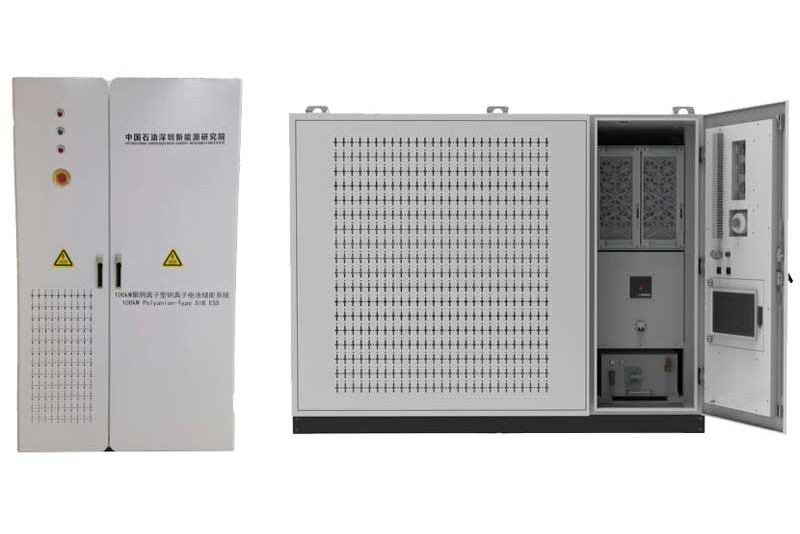
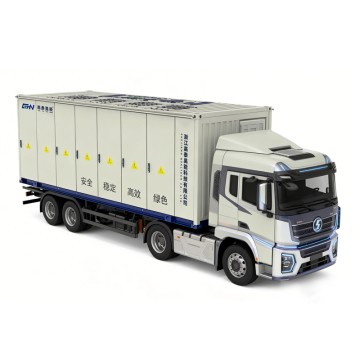
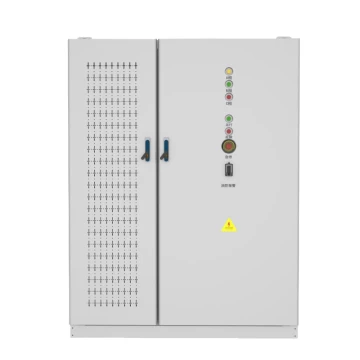
Large-scale energy storage system solutions for shipyards, dry docks, and commercial port facilities requiring reliable industrial power.
View More →ZheJiang Qualtech Co., Ltd. (referred to as Qualtech) was established in 2011 and is headquartered in Hangzhou, Zhejiang. It is a national high-tech enterprise, the third batch of specialized, refined, and new "little giant" enterprises by the Ministry of Industry and Information Technology, and currently a leading enterprise in both the new energy vehicle BMS and energy storage BMS sub-markets in China.
Qualtech's marine-grade hybrid battery inverter solutions combine decades of BMS engineering expertise with deep understanding of maritime power requirements — delivering certified, reliable, and intelligent energy systems for vessels of all classes, from recreational yachts to large commercial ships.
"Quality first, reputation first, management oriented, service sincere."
Learn More About QualtechQualtech partners with global marine, energy, and automotive sector leaders











Stay updated with Qualtech's latest developments in marine energy and BMS technology

As a full-stack digital smart energy system solution provider, Qualtech has always been anchored by independent R&D and in-house manufacturing.

The results of the prestigious Energy Storage Industry Aurora Award have recently been announced, recognizing Qualtech's outstanding contribution.

The 2026 BRICS Partnership on New Industrial Revolution Forum opened recently in Xiamen, Fujian Province, with Qualtech forging a key strategic partnership.
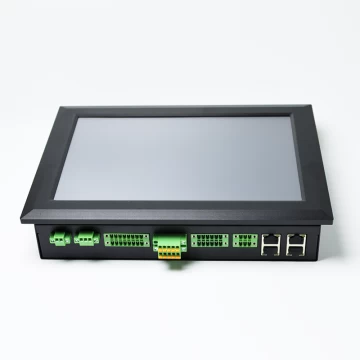
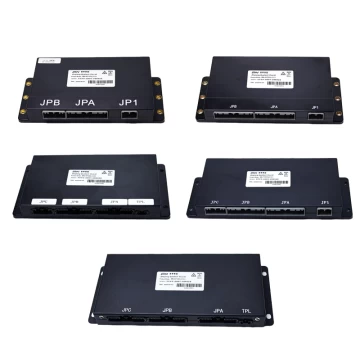
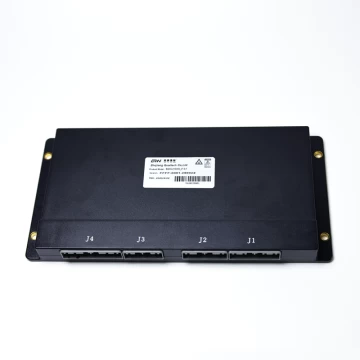
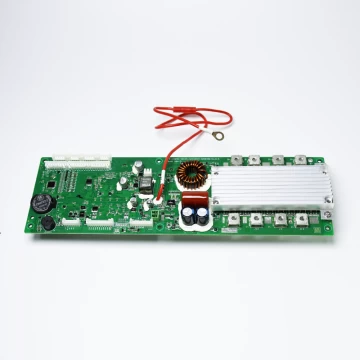
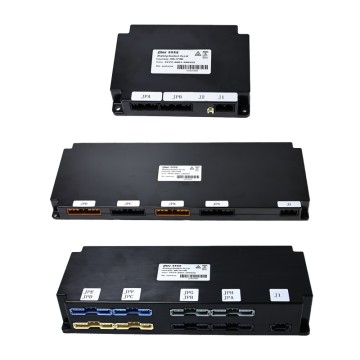
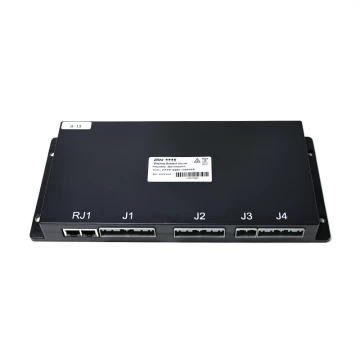
Full ecosystem of BMS and energy storage solutions for marine and yachting applications