+86 17326062766
Leave Your Message
-
Contact WhatsApp
-
 Contact Phone
-
 Contact Email
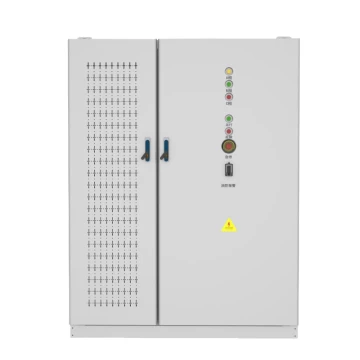
Core power management products engineered for intelligent, grid-interactive electric vehicle charging infrastructure
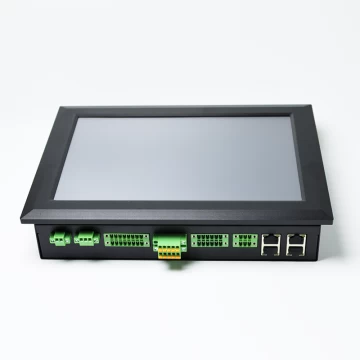
Qualtech QT-SEMU-5819B — intelligent monitoring and control for EV charging station energy systems

Precision cell-level balancing slave units supporting large-scale EV charging station battery packs
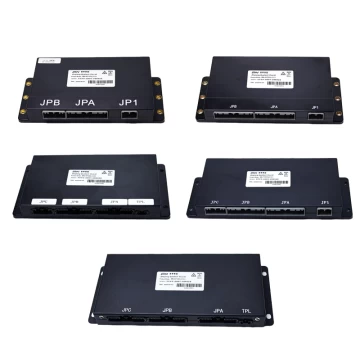
MCU: S32K312/NXP, 120MHz, 2M Flash, ASIL B — designed for high-reliability EV charging environments
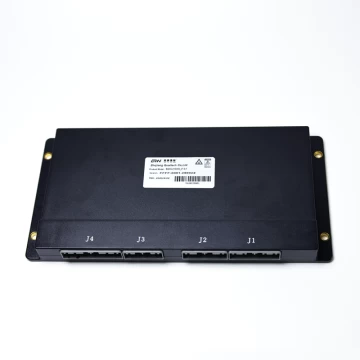
Supports 1500V total voltage and insulation resistance monitoring — ideal for DC fast charging hubs
A hybrid inverter for electric vehicle charging stations is an advanced power conversion device that simultaneously manages multiple energy sources — including the utility grid, photovoltaic (PV) solar arrays, and battery energy storage systems (BESS) — to deliver clean, stable, and cost-optimized power directly to EV chargers.
Unlike conventional grid-tied inverters, hybrid inverters integrate bidirectional AC/DC conversion, smart energy dispatch algorithms, and real-time grid interaction capabilities. This enables EV charging stations to operate with maximum energy efficiency, reduce peak demand charges, and maintain continuous charging service even during grid outages.
⚡ Key Insight: Hybrid inverters are the central intelligence hub of next-generation EV charging infrastructure — connecting solar, storage, and grid into one seamless, AI-optimized energy ecosystem.
As global EV adoption accelerates and charging station operators face rising electricity costs and grid instability, the hybrid inverter has emerged as the critical enabling technology for economically viable, resilient, and sustainable EV charging networks at commercial and industrial scale.
Seamlessly combines PV generation, BESS dispatch, and grid power to ensure uninterrupted EV charging at optimal cost per kWh.
Embedded intelligent algorithms predict EV load demand, optimize charging schedules, and execute dynamic tariff arbitrage automatically.
Supports Vehicle-to-Grid (V2G) protocols, enabling EV batteries to feed surplus energy back to the grid during peak demand periods.
Why hybrid inverters are the power backbone of modern EV charging infrastructure
DC-coupled PV-BESS topology eliminates double conversion losses, achieving system efficiencies above 97% — maximizing the solar energy delivered to EV chargers.
Comprehensive protection against over-voltage, over-current, short-circuit, over-temperature, and insulation faults — meeting IEC, UL, and CE standards for commercial EV charging deployments.
Real-time telemetry, OTA firmware updates, and cloud-based energy analytics enable operators to manage distributed EV charging networks from a single dashboard.
Supports wide DC input voltage ranges (up to 1500V) compatible with both Level 2 AC and DC fast charging (DCFC) station configurations.
Intelligent peak shaving reduces electricity demand charges by up to 40%, while demand response capabilities generate additional revenue streams for charging station operators.
Automatic transfer switching (ATS) ensures zero-interruption EV charging continuity during grid outages, blackouts, or planned maintenance windows.
The commercial and industrial landscape driving hybrid inverter adoption in EV charging infrastructure
Global investment in EV charging infrastructure is projected to exceed $100 billion by 2030, with hybrid inverter-equipped stations capturing the majority of new commercial deployments due to their superior economics and grid resilience. Governments across the EU, US, China, and Southeast Asia are mandating solar integration in new charging stations, directly driving hybrid inverter demand.
The integrated light-storage-charging (光储充一体化) model has become the dominant architecture for new EV charging station construction in China and is rapidly expanding globally. Hybrid inverters are the core enabling technology, allowing stations to self-generate up to 60% of their energy needs from rooftop or canopy solar, dramatically reducing operating costs.
Vehicle-to-Grid (V2G) regulations are advancing rapidly in Europe, Japan, and California. Hybrid inverters with bidirectional power flow capabilities are being mandated in new public charging infrastructure, creating a massive replacement and upgrade cycle for existing charging station operators seeking to participate in grid ancillary service markets.
Next-generation hybrid inverters are incorporating AI-powered digital twin technology, enabling predictive energy management that anticipates EV arrival patterns, weather-based solar forecasting, and real-time electricity price optimization. This transforms EV charging stations from passive infrastructure into intelligent grid assets that generate revenue through energy arbitrage and ancillary services.
How hybrid inverters power diverse EV charging environments across commercial and industrial sectors

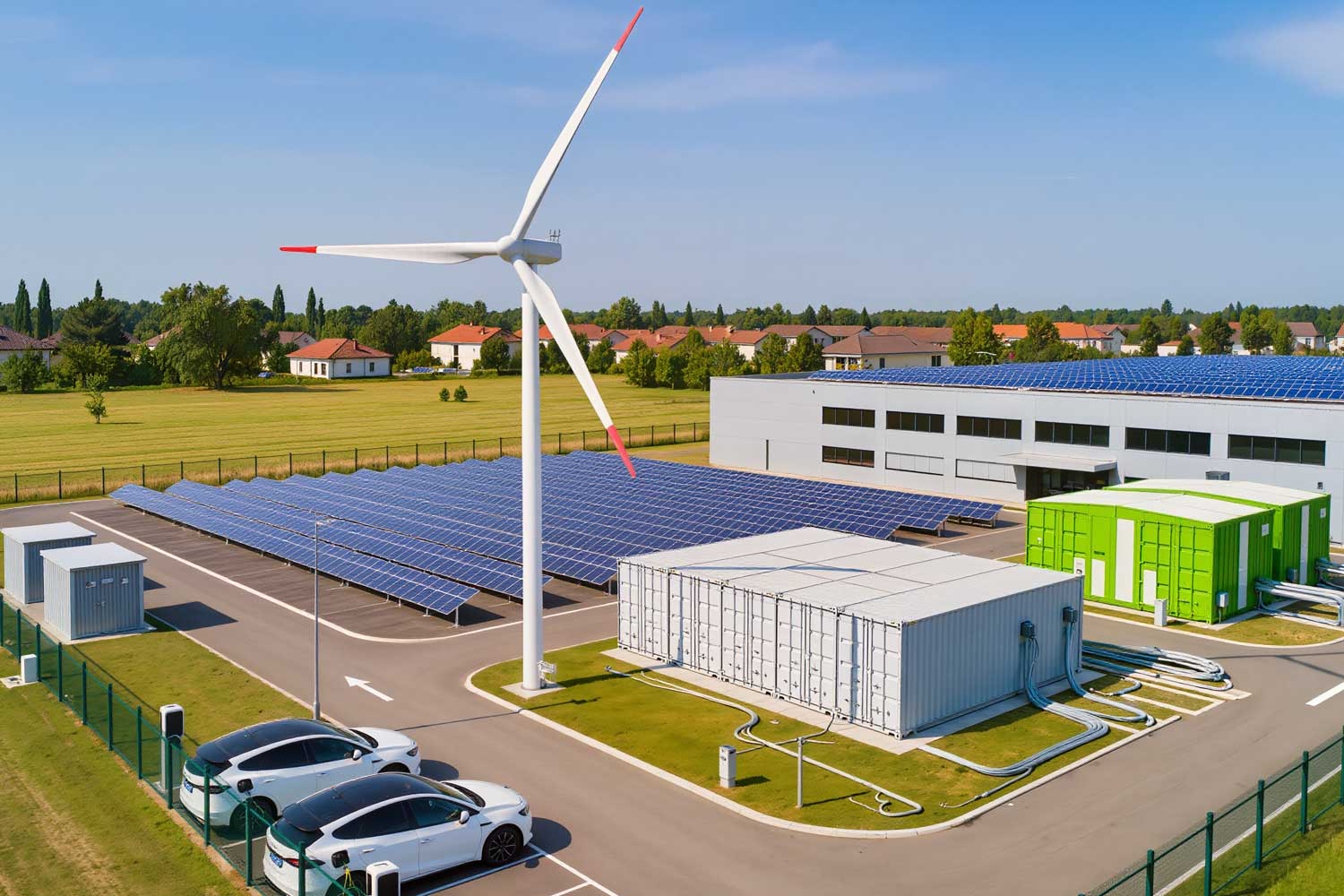
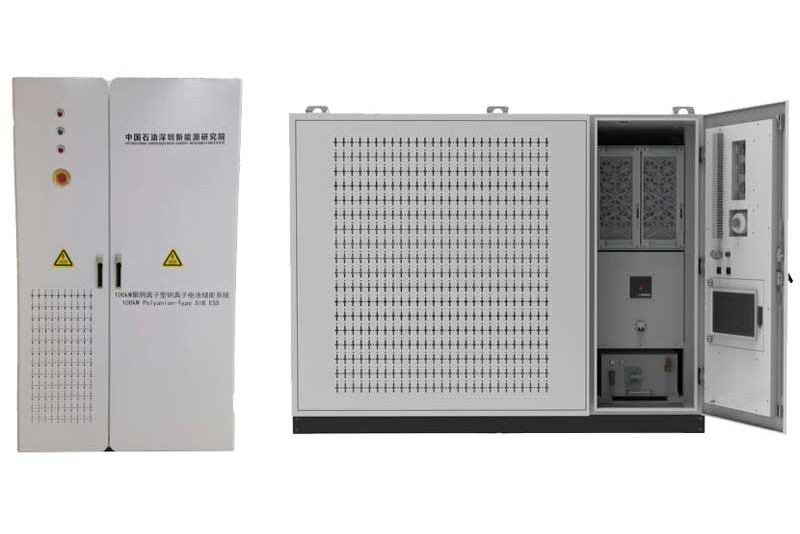
Shopping malls, hotels, and office complexes represent the fastest-growing segment for hybrid inverter-equipped EV charging. By integrating rooftop or carport solar with a BESS and hybrid inverter, operators can offer free or discounted EV charging as a customer amenity while achieving energy cost savings of 30–50%. The hybrid inverter's peak shaving capability is particularly valuable in commercial settings where demand charges can represent 30–40% of the electricity bill.
Electric truck fleets and logistics depots present unique challenges: simultaneous high-power charging of dozens of vehicles creates extreme demand spikes that can overwhelm grid connections. Hybrid inverters with large-scale BESS (containerized battery systems of 500kWh–10MWh) act as a power buffer, absorbing overnight solar energy and discharging it during peak fleet charging windows, enabling depot operators to avoid costly grid upgrades.
Along highway corridors and in rural areas where grid connections are weak or expensive, hybrid inverters enable economically viable DC fast charging stations (150–350kW) by combining local solar generation with BESS buffering. The result is a self-sufficient charging hub that delivers consistent high-power charging without requiring expensive grid infrastructure upgrades — reducing total project cost by up to 35%.
Comprehensive hybrid inverter system solutions for EV charging and energy storage

ZheJiang Qualtech Co., Ltd. (referred to as Qualtech) was established in 2011 and is headquartered in Hangzhou, Zhejiang. It is a national high-tech enterprise, the third batch of specialized, refined, and new "little giant" enterprises by the Ministry of Industry and Information Technology, and currently a leading enterprise in both the new energy vehicle BMS and energy storage BMS sub markets in China.
Qualtech's hybrid inverter and BMS solutions are deployed across hundreds of EV charging station projects globally, delivering proven performance in commercial, industrial, and microgrid EV charging applications. With over 130 intellectual property rights and a dedicated R&D team, Qualtech continues to push the boundaries of hybrid inverter technology for the next generation of EV charging infrastructure.
Qualtech hybrid inverter and BMS solutions power EV charging infrastructure for world-class partners












Full-stack BMS, energy storage, and hybrid inverter products engineered for every EV charging application
QT-SEMU-5819B — intelligent energy monitoring for EV charging station BESS
Precision cell balancing for large-format EV charging station battery packs
S32K312/NXP MCU, ASIL B — high-reliability BMS for EV charging station battery systems
1500V total voltage support — ideal for high-power DC fast charging station BESS

QT-PBMS-24S150Z0 — all-in-one BMS with full protection for EV charging station battery packs
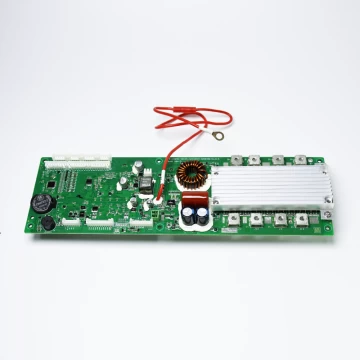
PBMS-48100 — 16S LiFePO4 BMS optimized for EV charging station energy storage systems
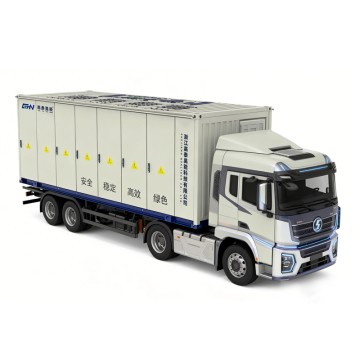
Truck-mounted mobile energy storage — rapid deployment for temporary EV charging station power
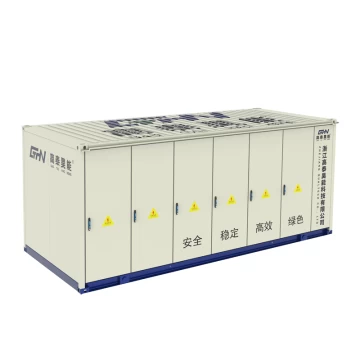
Standard containerized BESS with immersion cooling — scalable storage for large EV charging hubs