+86 17326062766
Leave Your Message
-
Contact WhatsApp
-
 Contact Phone
-
 Contact Email
Seamlessly integrated high-efficiency hybrid inverters, automotive-grade BMS architectures, and energy storage controllers engineered specifically for demanding e-mobility charging infrastructures.
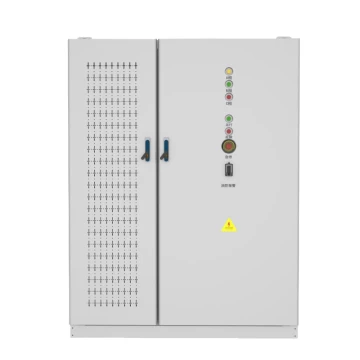
High-efficiency multi-MPPT DC-coupled solar hybrid inverter system facilitating direct bidirectional energy flow between PV arrays, battery storage, and EV ultra-fast chargers.
Learn Details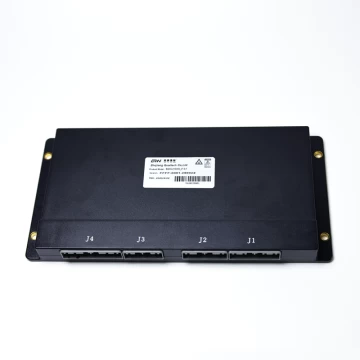
Supports 1500V total voltage and insulation resistance detection with multi-node high-speed CAN bus communication for commercial EV charging storage stations.
Explore Architecture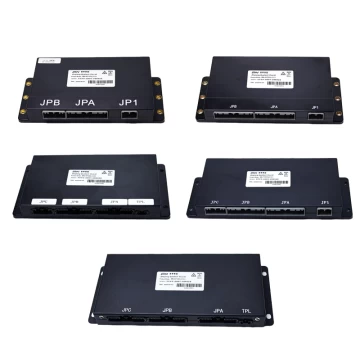
Powered by NXP S32K312 120MHz MCU, providing millivolt-level cell voltage monitoring and microsecond-level thermal runaway intervention for EV charging buffers.
Explore Architecture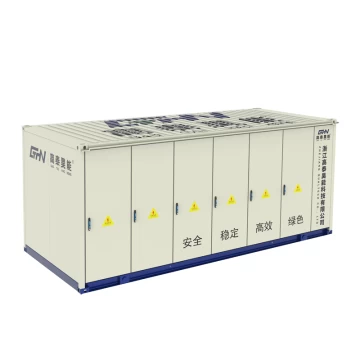
Grid-scale containerized energy storage system engineered for peak shaving, demand management, and megawatt-level high-power EV charging hub balancing.
Explore ArchitectureThe global transportation electrification transition is accelerating at an unprecedented velocity. However, the mass deployment of Level 3 DC Fast Chargers (DCFC) and Extreme Fast Chargers (XFC) rated from 180kW to 480kW introduces severe electrical grid challenges. Unmanaged EV charging spikes create massive localized capacity shortages, transformer overload conditions, and exorbitant utility demand charges for charging station operators (CSOs).
A state-of-the-art hybrid PV inverter for electric vehicle charging stations serves as the central intelligent energy orchestration hub. By integrating multi-string Maximum Power Point Tracking (MPPT) photovoltaic conversion with bidirectional Battery Energy Storage Systems (BESS) and dynamic EV charging load regulation, hybrid inverters create an autonomous, high-resilience energy ecosystem. This enables charging stations to transform from passive grid drains into active microgrid assets capable of solar self-generation, peak mitigation, and revenue-generating grid ancillary services.

Understanding the power topology dynamics is vital for maximizing round-trip efficiency, minimizing conversion losses, and optimizing capital expenditures in modern EV charging plazas.
In a DC-coupled hybrid inverter setup, solar generation flows directly onto a common high-voltage DC bus (typically 800V to 1500V) that feeds both the battery storage bank and the DC fast chargers. By eliminating redundant DC-AC and AC-DC conversion stages, overall system round-trip efficiency is elevated by 4% to 7%, dramatically reducing thermal dissipation and operational losses.
Commercial utility tariffs frequently penalize high peak electrical demands. When multiple high-voltage EVs initiate simultaneous fast-charging sessions, the hybrid inverter’s embedded energy management system instantly discharges stored solar energy from the BESS, buffering the grid transformer and capping peak load exposure to predetermined safety thresholds.
Equipped with advanced grid-forming control algorithms and sub-20ms transfer switches, the hybrid inverter ensures uninterrupted EV station operations during localized grid outages or brownout conditions. The system can synthesize stable voltage and frequency references, sustaining critical mobility hubs and emergency response fleets.
Tailored engineering configurations designed to address the specific power density, geographic constraints, and operational demands of commercial mobility sectors.

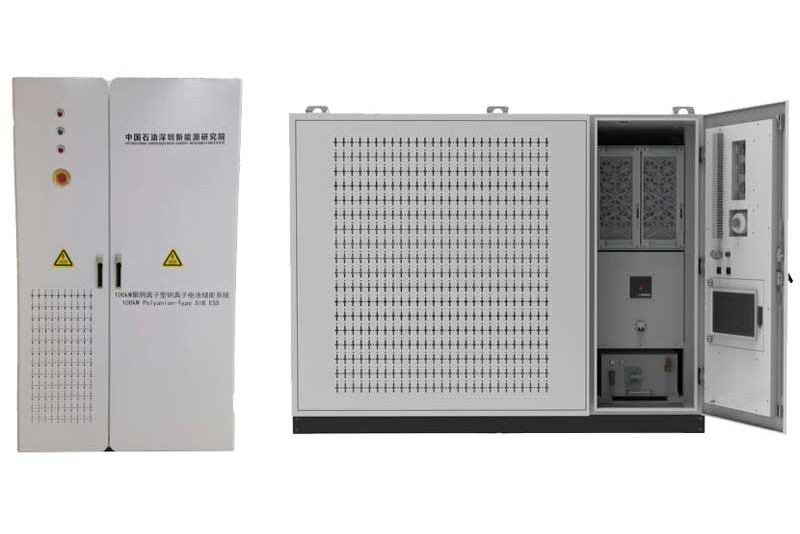
High-traffic highway rest stops experience extreme intermittent charging surges. Hybrid PV inverters paired with solar canopies and high-capacity containerized BESS bridge the gap where utility transmission lines cannot cost-effectively provide multi-megawatt grid upgrades.
Fleet electrification (electric delivery vans, municipal buses, and logistics trucks) demands high overnight and scheduled midday charging. Hybrid inverters store rooftop solar power during low-occupancy daytime hours and discharge during scheduled overnight fleet staging.
Commercial facilities monetize parking infrastructure by offering EV charging amenities without exceeding existing building power limits. Intelligent hybrid inverters prioritize on-site solar energy consumption, creating a zero-marginal-cost charging experience for employees and patrons.
The operational reliability of a solar-powered EV charging station heavily depends on the precision of the integrated Battery Management System (BMS). High-power charging cycles cause elevated temperature gradients and state-of-charge (SoC) drift across lithium-ion battery banks.
By coupling the hybrid PV inverter with automotive-grade 1500V master-slave BMS architectures, operators gain real-time visibility into cell-level parameters. Dual-core ASIL-B microcontrollers execute advanced State-of-Health (SoH), State-of-Power (SoP), and remaining useful life (RUL) algorithms. Active and passive cell balancing mechanisms prevent premature cell degradation, extending the operational asset lifecycle beyond 6,000 to 8,000 full-depth cycles.
Deploying a hybrid inverter solar-storage-charging infrastructure significantly enhances project bankability and shortens amortization cycles.
In many utility territories, peak demand charges constitute up to 50%–70% of total commercial electric bills. A hybrid inverter system dynamically caps grid draw below critical demand tariff tiers, yielding tens of thousands of dollars in annual operating savings.
The hybrid inverter intelligently orchestrates energy arbitrage: storing cheap off-peak solar or grid power during surplus hours, and dispensing it to EV drivers during high-tariff peak afternoon and evening windows, widening operator profit margins.
Zero-emission charging verified by direct solar generation enables fleet operators and station owners to monetize Clean Fuel Standard credits and comply with stringent corporate sustainability reporting standards (Scope 1, 2, and 3 decarbonization).
Zhejiang Qualtech Co., Ltd. (referred to as Qualtech) was established in 2011 and is headquartered in Hangzhou, Zhejiang. It is a national high-tech enterprise, recognized in the third batch of specialized, refined, and new "little giant" enterprises by the Ministry of Industry and Information Technology, and is currently a leading enterprise in both the new energy vehicle BMS and energy storage BMS sub-markets in China.
With over a decade of technological accumulation in power electronics, automotive-grade embedded software, and high-voltage energy storage topologies, Qualtech delivers turnkey hybrid PV-storage-charging solutions engineered for extreme efficiency, reliability, and global scalability.
Full-stack energy storage, battery monitoring, and intelligent power electronics components supporting multi-scale EV charging station projects worldwide.
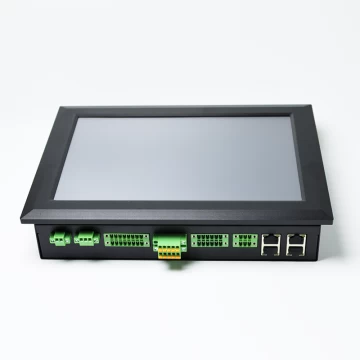
Centralized HMI visualization and telemetry master unit providing real-time operational status for station-level battery buffers.
View Specification
Cost-optimized cell monitoring and balancing module for high-voltage energy storage battery strings in EV fast-charging hubs.
View Specification
Engineered with high-reliability automotive microcontrollers for critical rapid-charge battery storage systems.
View Specification
Master control unit handling string voltage monitoring, high-voltage interlocks, and communication gateway to hybrid inverters.
View Specification
Integrated voltage, temperature, and current sensing with comprehensive protection for light electric vehicle battery swapping cabinets.
View Specification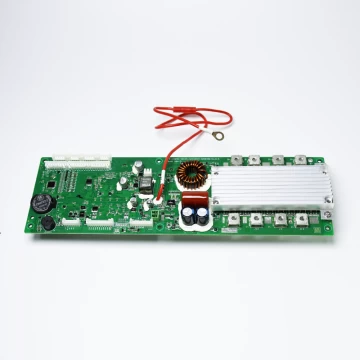
High-precision smart BMS tailored for 48V low-voltage distributed solar storage and destination AC EV charger pairing.
View Specification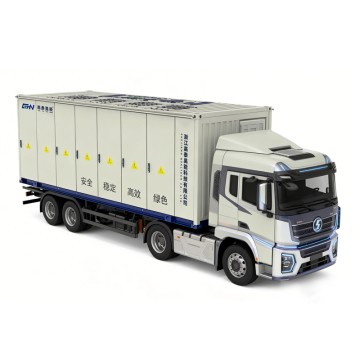
Rapid-deployment mobile energy storage vehicle delivering temporary high-speed EV charging for remote events, highway rescues, and disaster relief.
View Specification
High energy density containerized battery storage system offering superior thermal uniformity for multi-megawatt EV supercharging stations.
View SpecificationStay updated on Qualtech's technological milestones, partnerships, and global green energy projects.

As a full-stack digital smart energy system solution provider, Qualtech has always been anchored by independent R&D and in-house manufacturing, enabling reliable delivery of digital smart energy solutions.
Read Full Article →
The results of the prestigious industry award, the Energy Storage Industry Aurora Award (hosted by Energy Storage Talk), have officially recognized Qualtech's key energy storage project equipment.
Read Full Article →
Qualtech appeared at the 2026 BRICS Partnership on New Industrial Revolution Forum, forging strategic partnerships to deploy next-gen solar EV charging station networks across Latin America.
Read Full Article →Collaborating with premier electric vehicle manufacturers, grid utilities, and charging network operators.