+86 17326062766
Leave Your Message
-
Contact WhatsApp
-
 Contact Phone
-
 Contact Email
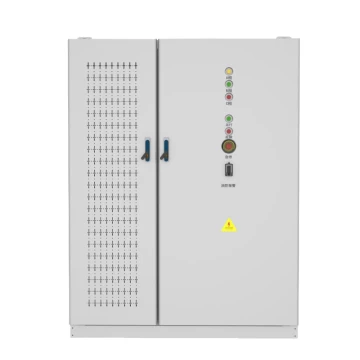
A hybrid solar inverter integrates photovoltaic (PV) generation, battery energy storage (BESS), and grid connectivity into a single intelligent unit — making it the cornerstone of next-generation electric vehicle charging infrastructure.
Simultaneously manages solar PV input, battery storage, grid power, and EV charging loads. Smart algorithms continuously optimize energy flow to minimize grid dependency and maximize renewable utilization.
Built-in DC-coupled battery interface allows excess solar energy to be stored and dispatched during peak EV charging demand, eliminating costly grid peak charges and ensuring uninterrupted charging availability.
Supports grid export (V2G-ready architecture), demand response, and frequency regulation. Operators can generate ancillary service revenue while maintaining reliable EV charging performance.
Cloud-connected EMS with machine learning load forecasting, real-time monitoring, remote diagnostics, and OTA firmware updates — delivering autonomous, self-optimizing station management.
Traditional grid-only EV chargers face escalating electricity costs, grid congestion, and carbon compliance pressures. Hybrid solar inverter systems solve all three simultaneously: they slash operational energy costs by 40–65% through solar self-consumption, buffer grid demand spikes with battery storage, and enable stations to achieve net-zero or even net-positive energy profiles — a critical differentiator in markets with carbon pricing and renewable energy mandates.
Qualtech's automotive-grade BMS and energy management solutions powering the next generation of solar-integrated EV charging infrastructure.
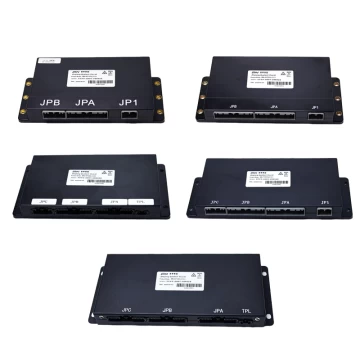
MCU: S32K312/NXP, 120MHz, 2M Flash, ASIL B · AFE precision cell monitoring for EV charging station battery packs.
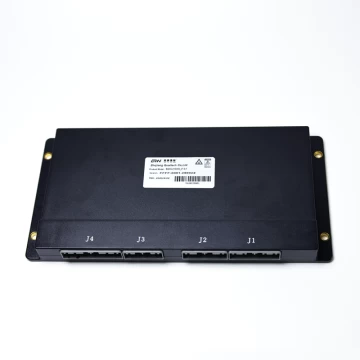
Supports 1500V total voltage and insulation resistance monitoring, ideal for DC fast charging station battery systems.
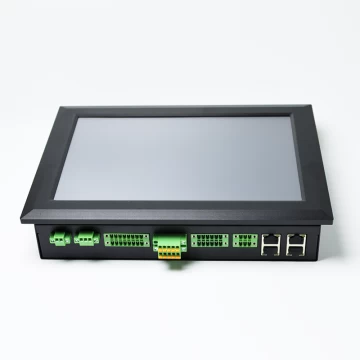
Intelligent display and control interface for hybrid solar inverter EV charging station energy management systems.

Precision passive cell balancing for energy storage systems integrated with solar hybrid inverters at EV charging stations.
The hybrid solar inverter market for EV charging is experiencing explosive growth driven by EV adoption, energy cost pressures, and renewable energy mandates worldwide.
Large-scale commercial fleet operators — logistics hubs, airports, shopping malls, and corporate campuses — are rapidly deploying hybrid solar inverter EV charging systems. The ability to charge hundreds of vehicles per day using primarily on-site solar generation, with battery buffer storage absorbing demand peaks, delivers ROI within 3–5 years in most markets. C&I operators are also leveraging demand charge management to reduce utility bills by up to 40%.
The EU's Alternative Fuels Infrastructure Regulation (AFIR), the US Bipartisan Infrastructure Law ($7.5B EV charging allocation), and China's "Dual Carbon" policy are mandating renewable-integrated EV charging. Hybrid solar inverter systems are increasingly specified in government tenders as the default architecture for new public charging infrastructure, creating a massive addressable market for compliant technology providers.
Grid operators are partnering with hybrid solar EV charging station operators to deploy distributed energy resources (DERs) at scale. These stations function as virtual power plants (VPPs), providing grid services including peak shaving, frequency regulation, and voltage support — while generating additional revenue streams for station operators beyond EV charging fees.
Vehicle-to-Grid (V2G) technology is converging with hybrid solar inverter platforms. Next-generation stations use parked EVs as mobile battery assets, discharging stored energy back to the grid or building during peak hours. This bidirectional energy flow, managed by hybrid inverter intelligence, transforms EV charging stations from energy consumers into active grid participants.
From highway corridors to urban microgrids, hybrid solar inverter systems unlock new possibilities across every EV charging deployment context.

Parking lots and highway rest areas deploy solar canopy structures feeding hybrid inverters with direct PV generation. Battery storage buffers solar intermittency, enabling consistent DC fast charging (150–350kW per stall) with minimal grid import. These self-powered plazas can operate in island mode during grid outages, providing critical resilience for emergency services and disaster response.

Manufacturing plants, distribution centers, and mining operations with large EV fleets (forklifts, trucks, buses) deploy hybrid solar inverter microgrids. The system coordinates rooftop or ground-mount PV arrays, multi-MWh battery storage, and dozens of simultaneous charging points — all managed by an AI energy management system that schedules charging to align with solar production peaks and off-peak grid tariffs.
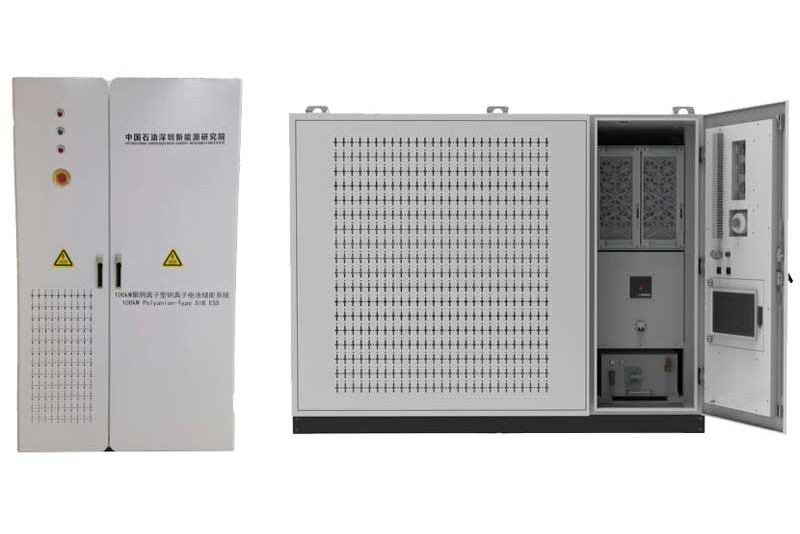
Mining sites, island communities, rural tourism destinations, and military installations require EV charging without reliable grid access. Hybrid solar inverter systems with containerized BESS provide fully autonomous, off-grid EV charging capability. Qualtech's mobile energy storage platforms enable rapid deployment of temporary charging infrastructure for events, construction sites, and emergency scenarios.
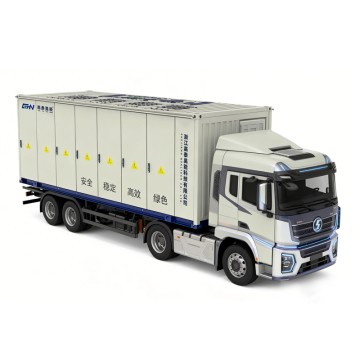
Truck-mounted hybrid solar inverter + BESS units enable rapid-deployment EV charging at outdoor events, disaster relief zones, and temporary construction sites. These mobile stations arrive pre-charged from solar or grid, then provide autonomous DC fast charging for days without external power connection — a game-changing capability for emergency responders and event organizers.
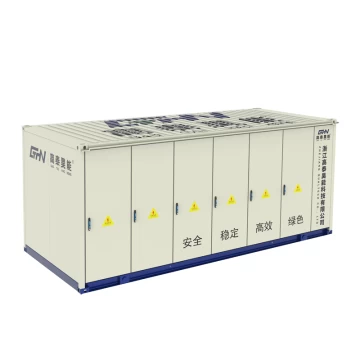
Utility-scale EV charging hubs serving hundreds of vehicles daily integrate containerized 314Ah immersion-cooled BESS with multi-MW solar arrays and hybrid inverters. These hubs participate in energy markets, selling excess solar generation and providing grid balancing services. Immersion cooling technology ensures maximum energy density and longevity in high-throughput commercial charging environments.

Every hybrid solar inverter EV charging station requires a certified, intelligent Battery Management System. Qualtech's Smart BMS provides real-time voltage, temperature, and current sensing with multi-layer protection: over-charge, over-discharge, over-current, over-temperature, and short-circuit protection — ensuring safe, reliable operation of the station's energy storage buffer across its full lifecycle.
Understanding the technical architecture that makes hybrid solar inverters superior to conventional EV charging power supplies.
DC-coupled PV-BESS systems eliminate the double conversion losses of AC-coupled designs. Solar energy flows directly from panels to battery and EV chargers via a shared DC bus, achieving system efficiencies above 97% — critical for maximizing renewable utilization at high-throughput EV charging stations.
Automotive-grade BMS with ASIL B functional safety certification, arc fault detection, ground fault protection, and thermal runaway prevention — meeting the stringent safety requirements of public EV charging infrastructure where human safety is paramount.
Cloud-native EMS with AI-powered load forecasting, solar irradiance prediction, dynamic pricing integration, and multi-station fleet management. Operators gain full visibility and control across distributed charging networks from a single dashboard, with automated optimization running 24/7.
From 30kW residential-scale systems to multi-MW commercial charging hubs, hybrid solar inverter platforms scale through modular architecture. Additional PV strings, battery modules, and charging points can be added without replacing core infrastructure — protecting capital investment as charging demand grows.
A typical 500kW hybrid solar EV charging station with 200kWh battery storage achieves payback in 4–6 years through three revenue streams: EV charging fees (primary), demand charge avoidance savings (20–40% of electricity bills), and grid ancillary service revenues (frequency regulation, capacity markets). With solar panel costs having fallen 90% since 2010 and battery costs continuing to decline, the economics of hybrid solar EV charging are now compelling across most global markets without subsidy dependency.
The next decade will see hybrid solar inverter EV charging evolve from infrastructure to intelligent distributed energy networks.
Digital twin technology will create real-time virtual replicas of every hybrid solar EV charging station, enabling predictive maintenance, virtual commissioning of new equipment, and AI-driven optimization that learns from thousands of stations simultaneously to continuously improve performance.
As solid-state batteries enter commercial production (2027–2030), hybrid solar inverter BMS platforms must evolve to support new electrochemistry. Qualtech's software-defined BMS architecture enables OTA updates to support next-generation battery technologies without hardware replacement.
Peer-to-peer energy trading platforms using blockchain will allow hybrid solar EV charging stations to sell excess solar generation directly to neighboring consumers. This creates new revenue streams and accelerates the transition to decentralized, community-owned clean energy infrastructure.
Low-Earth orbit satellite internet (Starlink, OneWeb) is enabling remote hybrid solar EV charging stations in areas without terrestrial connectivity to participate in cloud EMS platforms, grid markets, and real-time monitoring — unlocking the full value of off-grid renewable EV charging deployments globally.
ZheJiang Qualtech Co., Ltd. (referred to as Qualtech) was established in 2011 and is headquartered in Hangzhou, Zhejiang. It is a national high-tech enterprise, the third batch of specialized, refined, and new "little giant" enterprises by the Ministry of Industry and Information Technology, and currently a leading enterprise in both the new energy vehicle BMS and energy storage BMS sub markets in China.
Qualtech's full-stack self-development capabilities — from automotive-grade BMS chips and algorithms to complete hybrid solar inverter EV charging station system solutions — position it as a trusted partner for global EV charging infrastructure deployments across commercial, industrial, and utility-scale applications.
 More about Qualtech
Qualtech delivers end-to-end hybrid solar inverter system solutions across microgrid, integrated light-storage-charging, and industrial application scenarios.
 View More
View More
Qualtech's hybrid solar inverter and BMS technologies power products and projects for the world's leading electric vehicle and energy companies.












Explore Qualtech's complete portfolio of BMS, energy storage, and system integration products designed for hybrid solar inverter EV charging station deployments.
MCU: S32K312/NXP, 120MHz, 2M Flash, ASIL B · AFE precision monitoring.
Supports 1500V total voltage and insulation resistance monitoring.
Intelligent display and control for hybrid solar EV charging station energy management.
Precision passive cell balancing for solar hybrid inverter energy storage systems.
24S Li-ion BMS with full protection suite for EV charging station storage buffers.
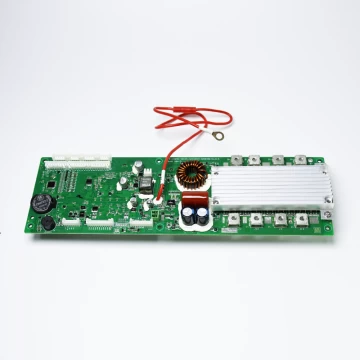
16S LiFePO4 BMS for residential and commercial solar EV charging station storage systems.
Truck-mounted mobile energy storage for temporary and emergency EV charging station deployment.
Standard container energy storage for grid-scale and C&I hybrid solar EV charging stations.