
 +86 17326062766
Leave Your Message
-
Contact WhatsApp
-
 Contact Phone
-
 Contact Email
High-performance control units engineered for smart home integration and light electric vehicles.
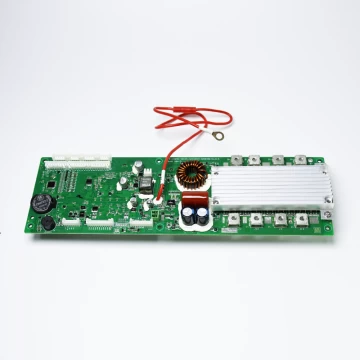
Designed specifically for residential energy storage systems, offering high precision cell monitoring and robust protection.
Learn More →
Integrated protection board with high-precision voltage and temperature sensing for light electric vehicles.
Learn More →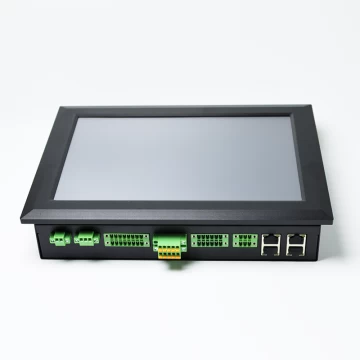
Advanced monitoring display and control interface for comprehensive real-time battery status tracking.
Learn More →
Scalable passive balancing slave modules designed for large-scale multi-cell configuration management.
Learn More →In the era of smart living and decentralized energy, the reliability of domestic power systems hinges on one critical component: the Lithium Ion Protection Board, commonly known as a Battery Management System (BMS). As households transition from passive energy consumers to active "prosumers"—generating, storing, and managing their own electricity—the battery pack becomes the beating heart of the home. However, without a sophisticated protection board, lithium-ion battery chemistries like LiFePO4 (Lithium Iron Phosphate) and NMC (Nickel Manganese Cobalt) cannot safely operate. The BMS acts as the brain, protecting the cells from electrical hazards, thermal runaways, and premature degradation.
The global market for residential Energy Storage Systems (ESS) is experiencing exponential growth, driven by rising grid tariffs, geopolitical instability, and a collective push towards net-zero carbon emissions. In modern smart homes, energy storage is no longer just a luxury backup for blackouts; it is an economic asset. By storing solar energy during peak production hours and discharging it when utility prices spike (peak shaving), smart storage systems deliver tangible ROI. This commercial shift demands industrial-grade protection boards that can handle higher currents, communicate seamlessly with hybrid inverters, and offer longevity matching the 10-to-15-year lifecycle of modern battery cells.
Industrially, manufacturing standards for protection boards have matured significantly. Regulatory compliance certifications such as UL 1973, IEC 62619, and UN 38.3 are now mandatory benchmarks. These standards ensure that protection boards can survive extreme environments, withstand high short-circuit currents, and prevent cascading cell failures. Leading manufacturers like Zhejiang Qualtech Co., Ltd. are leveraging automotive-grade components to build residential ESS BMS, bridging the gap between high-reliability electric vehicle systems and home energy solutions.
Early-generation protection boards were simple analog circuits designed only to cut off connection during overcharge or overdischarge events. Today, the integration of smart living requires intelligent, software-defined BMS architectures. Modern lithium-ion protection boards utilize advanced Microcontroller Units (MCUs) and dedicated Analog Front-Ends (AFEs) to perform complex calculations in real time.
Key technological trends include:
1. Uninterruptible Home Power Backups: During sudden grid failures, transition speed is paramount. A high-quality lithium-ion protection board ensures that the transition from grid power to battery backup occurs within milliseconds, preventing computers, smart home servers, and life-support equipment from resetting. The BMS manages the high inrush currents typical of starting heavy household appliances like air conditioners or water pumps.
2. Smart Home Ecosystem Integration: In a fully realized smart home, the battery storage system communicates with smart thermostats, EV chargers, and home automation platforms (like Home Assistant or Apple HomeKit). The BMS provides the critical data—such as remaining capacity, maximum allowable discharge rate, and system temperature—allowing the smart home controller to orchestrate energy usage dynamically. For example, the system can delay EV charging if the BMS indicates the battery temperature is elevated, or prioritize heating systems during high solar yield.
3. Microgrids and Peer-to-Peer Energy Trading: On a community level, homes equipped with smart ESS can form localized microgrids. These microgrids share power autonomously. The BMS ensures that energy trading is safe and metered, protecting individual home battery packs from being overloaded by external demand.
ZheJiang Qualtech Co., Ltd. (referred to as Qualtech) was established in 2011 and is headquartered in Hangzhou, Zhejiang. It is a national high-tech enterprise, the third batch of specialized, refined, and new "little giant" enterprises by the Ministry of Industry and Information Technology, and currently a leading enterprise in both the new energy vehicle BMS and energy storage BMS sub markets in China.
By prioritizing independent research and development alongside state-of-the-art manufacturing processes, Qualtech delivers full-stack digital smart energy solutions that ensure optimal safety, durability, and performance.
Explore Our Journey & Achievements →Empowering diverse sectors with full-stack digital energy management solutions.

Delivering localized, self-sufficient grid solutions that optimize power distribution and ensure localized energy resilience.

Combining solar power generation, battery energy storage, and smart EV charging infrastructure into a unified ecosystem.
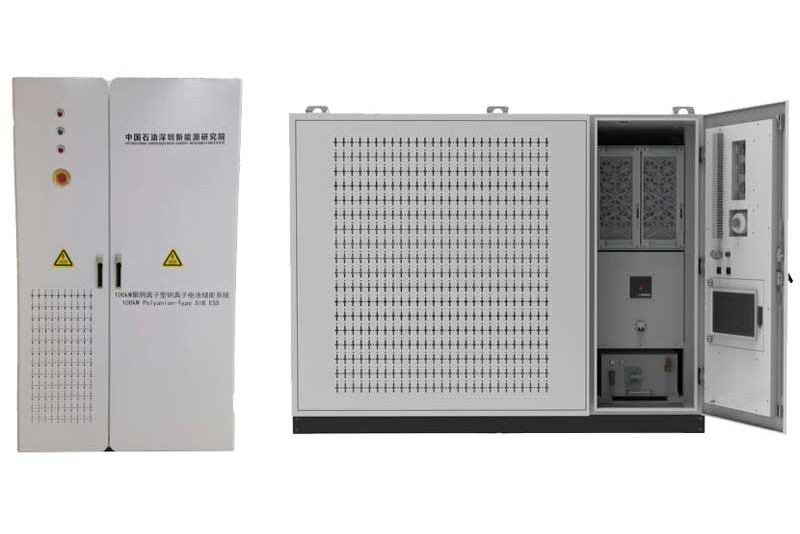
Tailored energy storage cabinets and distribution systems optimized for commercial and industrial facilities.
Collaborating with global industry leaders to drive the clean energy transition.











Stay informed with updates on smart energy innovations and strategic partnerships.

As a full-stack digital smart energy system solution provider, Qualtech has always been anchored by independent R&D and in-house manufacturing...
Read More →
The results of the prestigious industry award, the Energy Storage Industry Aurora Award, have recently been announced, honoring Qualtech's innovation...
Read More →
Centered on the theme "Building a New Industrial Revolution Partnership", Qualtech forged strategic agreements to deploy EV charging networks...
Read More →Explore our comprehensive lineup of smart BMS and battery storage solutions.
Precision temperature and voltage monitoring with CAN/RS485 communication protocols.
View Details →
Engineered for electric scooters and tricycles, providing rugged short-circuit protection.
View Details →
Interactive system-level display unit for real-time diagnostics and status visual outputs.
View Details →
High-reliability passive balancing modules optimized for multi-cell configurations.
View Details →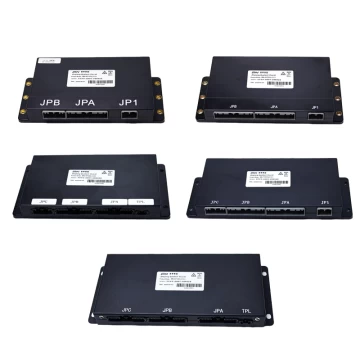
MCU: S32K312/NXP, 120MHz, 2M Flash, ASIL B compliance for high-safety standards.
View Details →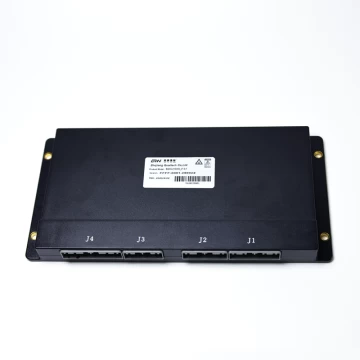
Supports 1500V total voltage and insulation resistance detection for utility-scale setups.
View Details →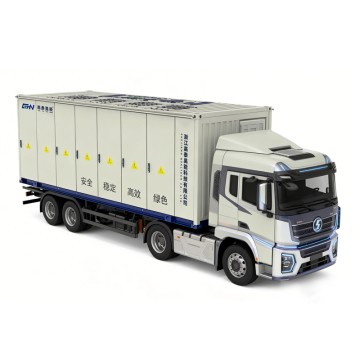
Truck-mounted battery energy storage system designed for temporary and emergency power.
View Details →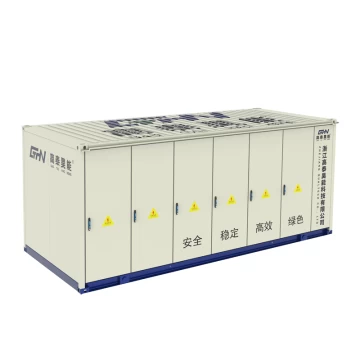
Immersion-cooled BESS container optimized for grid stabilization and C&I applications.
View Details →