
 +86 17326062766



Industry News
How to Choose the Right Commercial and Industrial Energy Storage System for Your Business
2026-11-05
For factories, industrial parks, logistics facilities, and commercial buildings, electricity is more than an operating expense. Power demand can fluctuate throughout the day, production schedules may not match renewable energy generation, and unexpected power interruptions can affect business operations.
These challenges are encouraging more companies to consider battery energy storage as part of their energy management strategy.
However, selecting a commercial and industrial energy storage system is not simply a matter of comparing battery capacity or equipment prices. System architecture, battery management, power conversion, thermal management, and energy dispatch all influence how well a project performs.
For project developers and industrial buyers, understanding these factors can help avoid costly mismatches and build a more reliable energy solution.
1. Start With Your Actual Electricity Consumption
Before choosing an energy storage system, businesses should understand how electricity is consumed across their facilities.
A manufacturing plant with high daytime electricity demand has different requirements from a commercial building that experiences peak consumption in the evening.
Several questions should be considered:
-
When does the facility experience its highest electricity demand?
-
Does the site already have a photovoltaic installation?
-
Are there significant differences between peak and off-peak electricity prices?
-
Does the facility require backup power?
-
How much available space is there for energy storage equipment?
For example, a factory with rooftop solar may generate more electricity than it can immediately consume during certain periods. An energy storage system can store part of this surplus energy for later use, depending on system configuration and operating conditions.
For facilities with significant peak demand, a properly configured storage system may also support peak shaving and load management.
The first step is therefore to collect electricity consumption data and define the main purpose of the project before selecting equipment.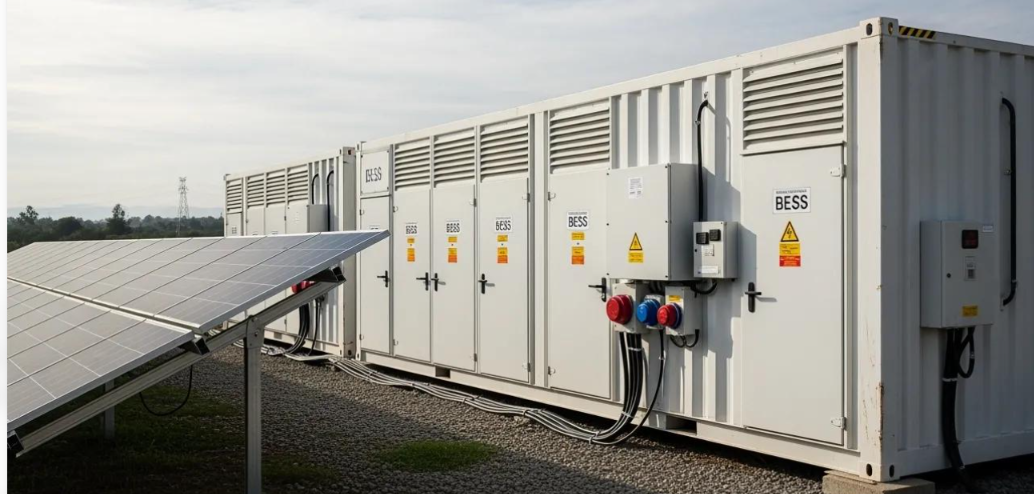
2. Choose the Right Energy Storage Configuration
Different businesses require different system configurations. Selecting the appropriate structure is essential for matching equipment capabilities with actual operating conditions.
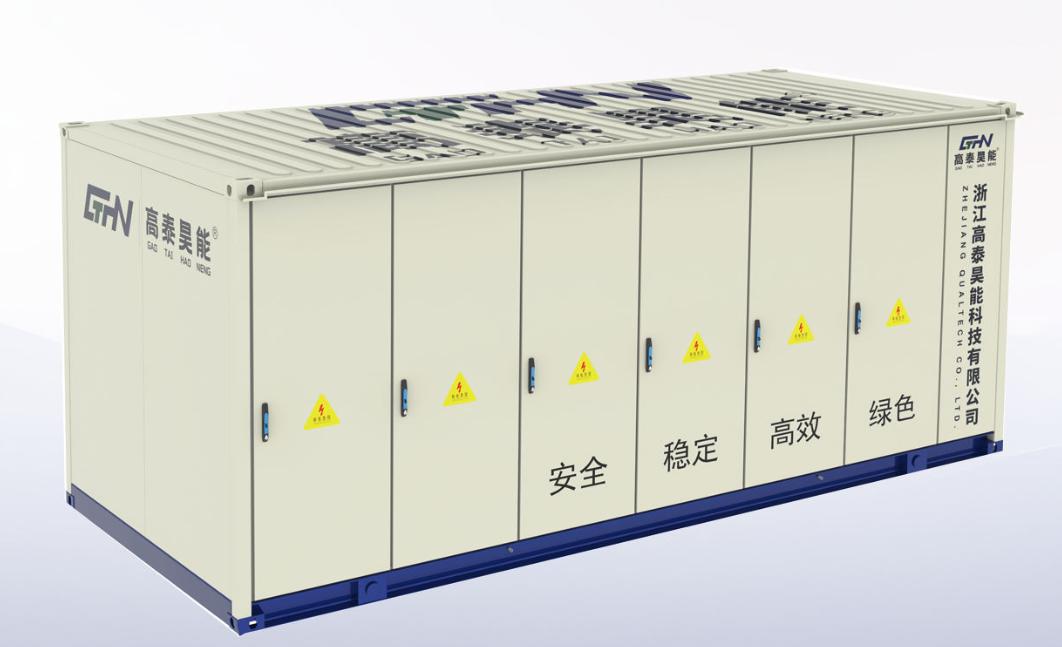
Containerized Energy Storage Systems
Containerized systems are commonly considered for larger projects that require substantial energy storage capacity.
They integrate multiple components into a coordinated installation and can be suitable for industrial parks, utility-scale projects, and other large energy applications.
When evaluating a containerized energy storage system, buyers should examine battery configuration, power conversion equipment, thermal management, safety design, monitoring capabilities, and installation requirements.
Qualtech offers standard container energy storage solutions, including products designed around large-format battery cells and immersion liquid-cooling technology.
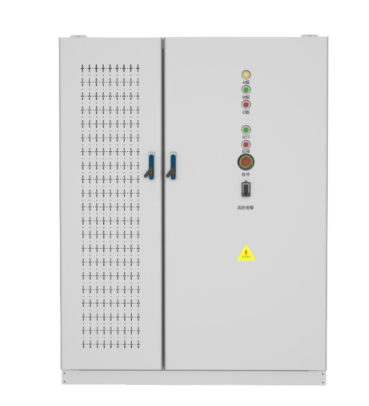
All-in-One C&I Energy Storage Cabinets
For factories, commercial buildings, and distributed energy projects, an all-in-one C&I energy storage cabinet can offer a more integrated equipment arrangement.
By combining key components within a coordinated cabinet structure, this configuration can simplify project planning and equipment installation.
Buyers should compare rated power, usable energy capacity, cooling arrangements, protection mechanisms, and system expansion possibilities.
Integrated Solar Energy Storage Systems
Businesses with photovoltaic installations may consider an integrated solar energy storage system.
This configuration coordinates solar generation, battery charging and discharging, and electricity consumption.
The objective is to make better use of locally generated renewable electricity while supporting more flexible energy management.
The best configuration depends on the facility's energy profile, grid connection conditions, and project investment objectives.
3. Pay Attention to the Four Core Technologies Behind Energy Storage
An energy storage system is made up of several interconnected technologies. Battery capacity alone cannot determine overall system performance.
A practical evaluation should include four important components.
Battery Management System (BMS)
The BMS monitors battery voltage, current, temperature, and other operating parameters. It helps estimate battery state, manage balancing, and implement protection strategies.
For large battery installations, accurate monitoring and coordinated protection are particularly important because differences between individual cells can influence overall system operation.
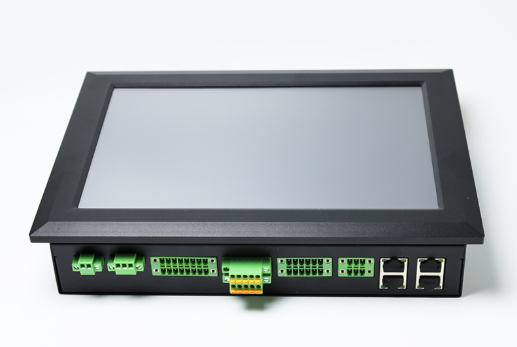
Energy Management System (EMS)
The EMS manages energy flows according to operating strategies and project requirements.
It can coordinate charging and discharging schedules, monitor system status, and support intelligent energy dispatch.
For commercial and industrial facilities, an effective EMS should work with actual electricity demand rather than relying on a fixed operating schedule.
Power Conversion System (PCS)
The PCS manages the conversion of electrical energy between the battery's DC side and the AC power system.
Its power rating, efficiency, control functions, and grid compatibility should match the requirements of the intended application.
Thermal Management System (TMS)
Battery temperature affects operating conditions, performance, and long-term reliability.
A suitable thermal management design helps maintain appropriate operating temperatures under different environmental and load conditions.
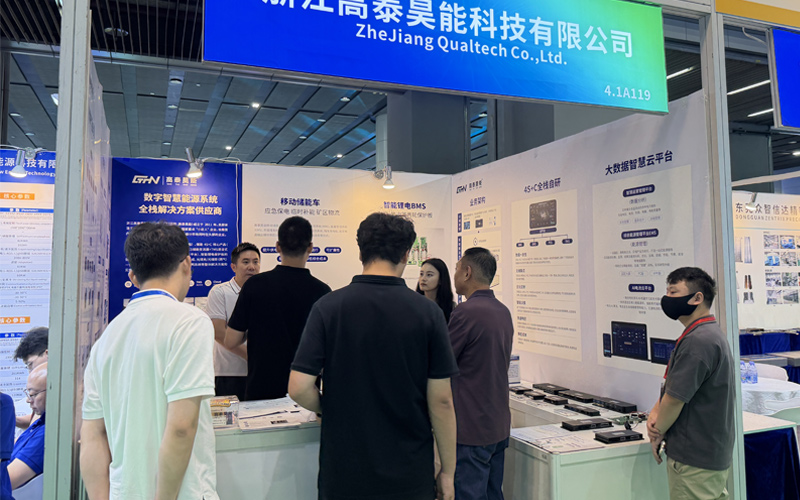
Qualtech integrates these four technologies through its 4S+C architecture, which combines BMS, EMS, PCS, TMS, and a cloud-based intelligent platform.
This full-stack approach connects battery-level monitoring with system-level energy management, reducing the complexity of coordinating independently developed components.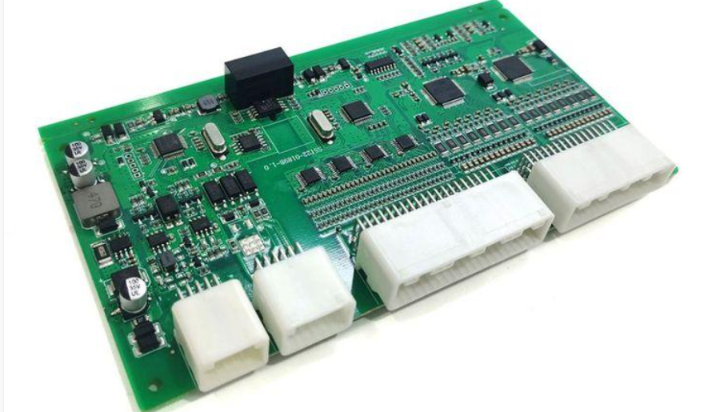
4. Evaluate Safety and Thermal Management Carefully
Safety should be considered from the beginning of an energy storage project, not treated as an additional feature after equipment selection.
Battery systems may operate under changing loads, ambient temperatures, and charging conditions. Without appropriate monitoring and thermal control, abnormal operating conditions can become difficult to identify and manage.
When comparing suppliers, buyers should examine:
-
Battery voltage and temperature monitoring
-
Cell balancing capabilities
-
Electrical protection mechanisms
-
Thermal management architecture
-
System alarms and fault detection
-
Testing procedures and quality control
Immersion liquid cooling is one technology used in advanced energy storage applications. It places battery cells in direct contact with an insulating coolant, creating a different thermal management approach from conventional air or indirect liquid cooling.
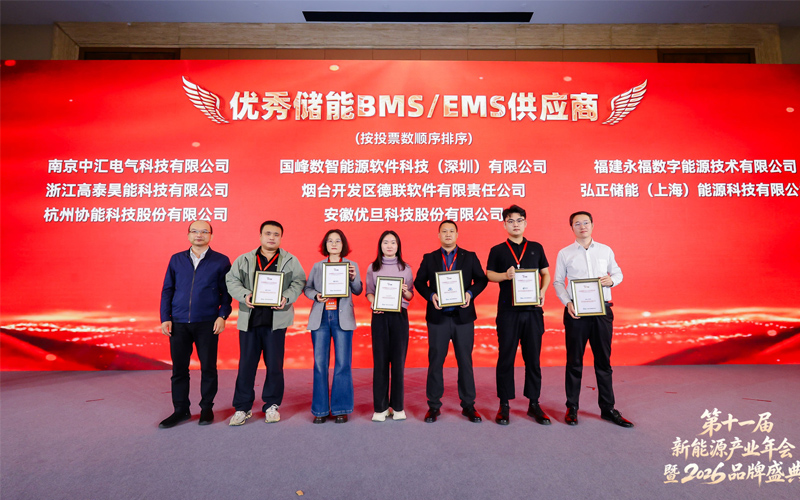
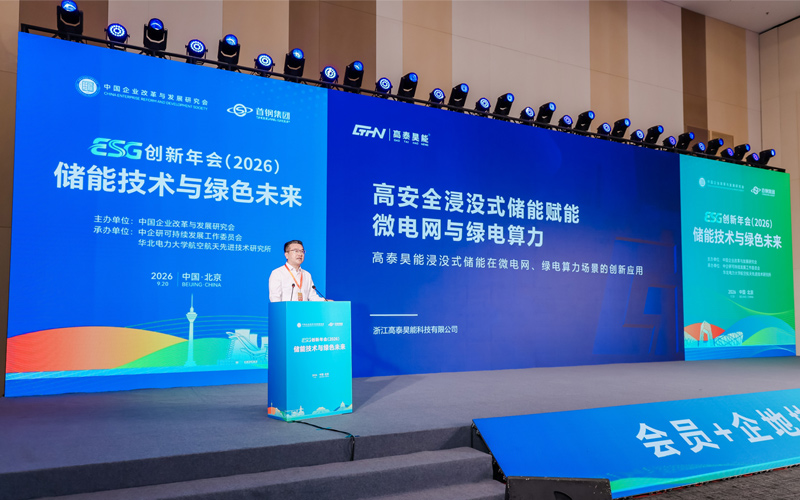
Qualtech has developed immersion liquid-cooling energy storage technology that integrates thermal management and suppression functions. Its related product technology received the 2025 Expert Aurora Award for Outstanding Product of the Year, according to the company's published news.
For project owners, the important consideration is whether the proposed thermal management solution matches the battery chemistry, system design, and actual operating environment.
5. Check the Manufacturer's Engineering and Project Experience
A reliable battery energy storage system manufacturer should offer more than individual hardware products.
Project implementation often involves system configuration, equipment coordination, commissioning, monitoring, and ongoing technical support.
Before choosing a supplier, buyers should evaluate several aspects:
Manufacturing capability: Check whether the manufacturer has dedicated production facilities, testing equipment, and quality management procedures.
Technical integration: Determine whether BMS, EMS, PCS, and thermal management systems can operate as a coordinated solution.
Project experience: Review completed projects and whether the supplier has experience in applications similar to yours.
Customization: Confirm whether the supplier can adapt system configurations to different capacity requirements and operating scenarios.
After-sales support: Discuss commissioning assistance, remote monitoring, troubleshooting, and maintenance arrangements.
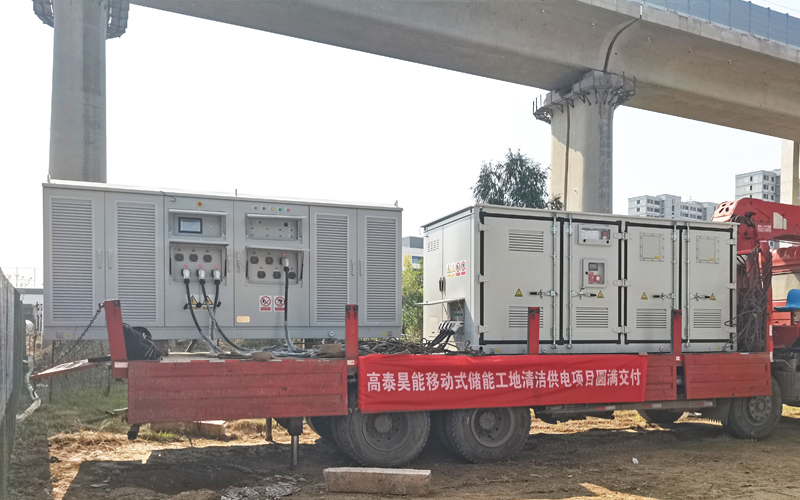
Qualtech's project experience includes industrial and commercial energy storage, containerized storage, and photovoltaic-storage integration. One example is its delivered 1.56MW/3.13MWh distributed containerized storage project at a port facility, which uses an anti-reverse-power control strategy.
This project demonstrates how storage system configuration and intelligent control can be adapted to the operational requirements of an energy-intensive facility.
6. Consider Future Expansion Before Finalizing the Design
Energy requirements rarely remain unchanged throughout the life of an industrial facility.
A factory may add production lines, install additional photovoltaic panels, or expand its operating hours. These changes can affect electricity consumption and storage requirements.
Therefore, buyers should consider whether the selected system can accommodate future capacity expansion, additional monitoring functions, and changes in energy dispatch strategies.
Communication compatibility between different components is also important. A well-integrated architecture can make future system adjustments easier to manage.
Instead of choosing equipment based only on current demand, project developers should evaluate the expected development of the facility over the coming years.
Conclusion: Choose an Energy Storage Solution That Matches Your Project
Selecting the right commercial and industrial energy storage system requires a clear understanding of electricity consumption, system configuration, battery management, thermal control, and long-term operational requirements.
Containerized systems, all-in-one C&I cabinets, and integrated solar-storage solutions each serve different applications. The right choice depends on the project's capacity requirements, installation conditions, and energy management objectives.
More importantly, buyers should look beyond individual equipment specifications and evaluate the manufacturer's ability to integrate the entire system.
With its 4S+C technology architecture, energy storage product portfolio, and project integration experience, Qualtech provides solutions covering battery management, energy management, power conversion, thermal control, and intelligent cloud platforms.
If you are planning a commercial or industrial energy storage project, contact Qualtech to discuss your application requirements and explore a suitable energy storage solution.