+86 17326062766
Leave Your Message
-
Contact WhatsApp
-
 Contact Phone
-
 Contact Email
Discover our flagship power storage systems engineered for residential backup power, smart home integration, and beyond.


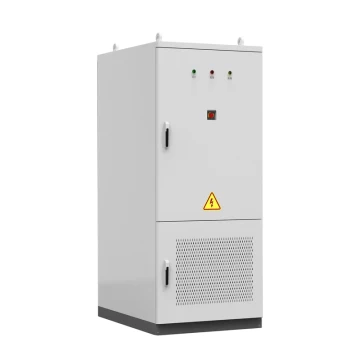

The residential and commercial energy storage market is undergoing an unprecedented transformation driven by renewable integration, grid instability, and the rise of smart homes.
The global home battery storage market is projected to surpass $35 billion by 2030, growing at a CAGR of over 22%. Surging electricity prices, frequent grid outages, and aggressive rooftop solar adoption are the primary catalysts. Residential consumers are no longer passive energy users — they are becoming active prosumers who generate, store, and sell energy back to the grid.
C&I enterprises are deploying large-scale battery energy storage systems (BESS) to reduce peak demand charges, ensure operational continuity, and meet sustainability mandates. Factories, data centers, hospitals, and retail parks are among the fastest-growing segments, with liquid-cooled containerized storage systems offering the highest energy density and safety standards required at scale.
Utilities and grid operators are aggregating thousands of residential and commercial storage units into Virtual Power Plants (VPPs), enabling demand response, frequency regulation, and renewable energy firming. This trend is accelerating regulatory support for bidirectional energy flow and time-of-use optimization, making every home battery a node in a smarter, more resilient grid ecosystem.
Power outages caused by extreme weather, aging infrastructure, or grid congestion are becoming more frequent worldwide. A home power storage system with a high-capacity LiFePO4 battery bank ensures your critical loads — refrigerators, medical devices, lighting, internet routers — remain powered for 8 to 72+ hours without grid dependency. Paired with solar PV, households can achieve near-total energy autonomy.
Modern power storage systems connect seamlessly with smart home platforms via Wi-Fi, Bluetooth, and cloud-based EMS (Energy Management Systems). AI-driven algorithms analyze usage patterns, weather forecasts, and real-time electricity tariffs to automatically charge the battery when rates are lowest and discharge during peak hours — delivering measurable savings of 30–60% on electricity bills for the average household.
Without storage, excess solar energy generated during the day is typically exported to the grid at low feed-in tariff rates. An integrated power storage system captures this surplus energy and makes it available during evenings and cloudy days, increasing solar self-consumption rates from ~30% to over 80%. This dramatically shortens the ROI period for solar installations from 8–12 years to as little as 4–6 years.
As electric vehicle adoption accelerates, home storage systems are increasingly deployed as smart EV charging buffers. Rather than drawing high-power charging loads directly from the grid — which can stress local distribution networks and trigger demand charges — the home battery acts as an intermediary, enabling off-peak charging strategies and vehicle-to-home (V2H) capabilities that further enhance household energy resilience.
Mobile BESS solutions mounted on trucks or trailers deliver reliable temporary power to remote construction sites, outdoor events, disaster relief operations, and military deployments. These systems eliminate the need for noisy, polluting diesel generators while providing clean, silent, and instantly deployable electricity — a critical advantage in noise-sensitive or environmentally protected areas.
Residential communities, rural villages, islands, and campus environments are deploying microgrid-scale storage systems that combine solar, wind, and battery storage to create self-sufficient energy islands. These microgrids can operate in grid-connected or islanded mode, providing unprecedented energy security and enabling communities to collectively trade surplus energy through peer-to-peer energy markets.
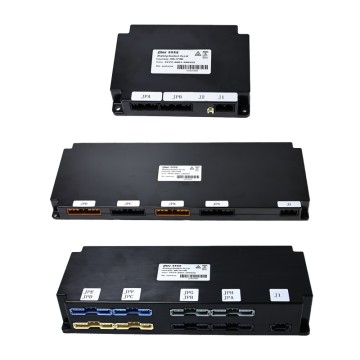
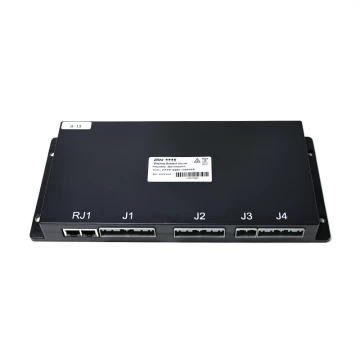
A Battery Management System (BMS) is the critical intelligence layer that ensures safety, longevity, and performance of every energy storage system. Qualtech's advanced BMS solutions support multi-chemistry cell monitoring, active/passive balancing, SOC/SOH estimation, thermal management, and cloud connectivity — enabling real-time diagnostics and predictive maintenance for both residential and industrial deployments. From 16S LiFePO4 home storage to 1500V automotive-grade systems, our BMS technology is the trusted foundation of tomorrow's energy infrastructure.
Discover Qualtech BMS SolutionsFrom residential smart living to utility-scale grid services, Qualtech delivers end-to-end power storage system solutions across every sector.



The energy storage industry is evolving rapidly. Here are the defining technology trends that will reshape home power backup and smart living over the next decade.
Next-generation EMS platforms leverage machine learning to predict household energy consumption, solar generation, and grid tariff fluctuations with high accuracy. These systems autonomously optimize charge/discharge schedules, preemptively prepare for weather-driven outages, and continuously learn from user behavior — delivering increasingly personalized and efficient energy management without any manual intervention.
While LiFePO4 remains the dominant chemistry for home and C&I storage due to its exceptional safety and cycle life, solid-state batteries and sodium-ion alternatives are emerging as transformative technologies. Solid-state designs promise 2–3× higher energy density, faster charging, and operation across wider temperature ranges — potentially enabling smaller, lighter home storage systems with 20+ year lifespans.
Cloud-native BMS and EMS platforms enable remote monitoring, over-the-air firmware updates, and fleet-level analytics for thousands of deployed systems simultaneously. Emerging blockchain-based peer-to-peer energy trading platforms allow homeowners with storage systems to directly sell surplus energy to neighbors, creating decentralized local energy markets that bypass traditional utility intermediaries and maximize returns on storage investments.
ZheJiang Qualtech Co., Ltd. (referred to as Qualtech) was established in 2011 and is headquartered in Hangzhou, Zhejiang. It is a national high-tech enterprise, the third batch of specialized, refined, and new "little giant" enterprises by the Ministry of Industry and Information Technology, and currently a leading enterprise in both the new energy vehicle BMS and energy storage BMS sub markets in China.
With over a decade of deep expertise in battery management systems and energy storage solutions, Qualtech has established itself as the trusted technology partner for residential, commercial, and utility-scale power storage deployments worldwide. Our full-stack R&D capabilities span hardware design, embedded firmware, cloud software, and system integration — enabling us to deliver complete, certified, and future-ready energy storage solutions.













Explore our full lineup of BMS, BESS, and energy storage products — from intelligent home storage solutions to grid-scale containerized systems.