+86 17326062766
Leave Your Message
-
Contact WhatsApp
-
 Contact Phone
-
 Contact Email
Explore our flagship battery energy storage systems and BMS solutions purpose-built for marine vessels, yachts, and offshore applications.
The global marine energy storage market is undergoing a profound transformation. Tightening emissions regulations, rising fuel costs, and the global push toward decarbonization are driving commercial shipowners, yacht builders, and offshore operators to adopt advanced Battery Energy Storage Systems (BESS) at an accelerating pace.
According to industry analysts, the marine battery market is projected to grow from approximately USD 1.2 billion in 2023 to over USD 6.5 billion by 2032, representing a compound annual growth rate (CAGR) exceeding 20%. This explosive growth is underpinned by the International Maritime Organization (IMO) mandating a 50% reduction in greenhouse gas emissions from shipping by 2050, as well as the increasing viability and cost-competitiveness of lithium-ion and LiFePO4 battery technologies.
From short-sea ferries and offshore supply vessels to superyachts and recreational sailing boats, power storage systems are no longer optional add-ons — they are becoming central to vessel architecture, propulsion strategy, and operational economics. Hybrid diesel-electric and fully electric propulsion systems are now commercially proven, with hundreds of vessels in service globally demonstrating measurable fuel savings of 20–40% and dramatic reductions in port emissions.
The marine BESS sector is evolving rapidly across technology, regulation, and commercial models. Understanding these trends is essential for vessel owners, naval architects, and energy system integrators.
Lithium Iron Phosphate (LiFePO4) chemistry has become the de facto standard for marine applications due to its superior thermal stability, long cycle life exceeding 4,000 cycles, and inherent resistance to thermal runaway — a critical safety advantage in enclosed vessel environments. Next-generation cells are pushing energy density beyond 200 Wh/kg, enabling more compact installations aboard space-constrained yachts and vessels.
Modern Battery Management Systems now incorporate machine learning algorithms for predictive state-of-health monitoring, adaptive cell balancing, and fault prediction. These AI-enhanced BMS platforms communicate via CAN bus, Modbus, and Ethernet, integrating seamlessly with vessel energy management systems (VEMS) and remote monitoring dashboards — enabling real-time visibility from anywhere in the world.
The hybrid diesel-electric-battery model is rapidly maturing. Vessels now use BESS for peak shaving during high-load maneuvers, silent operation in environmentally sensitive areas, and generator optimization to reduce running hours by up to 60%. Fully battery-electric ferries operating on short routes have demonstrated round-trip ranges of 30+ nautical miles, with charging infrastructure expanding at major ports worldwide.
DC-coupled PV-BESS systems are transforming luxury yachting by enabling extended periods of silent, emission-free operation. Superyachts equipped with rooftop solar arrays and high-capacity lithium battery banks can operate hotel loads — air conditioning, lighting, navigation, entertainment — for 24+ hours without running generators, dramatically improving the onboard experience and reducing fuel consumption at anchor.
Marine BESS installations are increasingly adopting modular rack-based designs that allow capacity to be scaled from tens of kWh for small yachts to multiple MWh for large commercial vessels. Standardized battery modules with hot-swap capability minimize vessel downtime and simplify maintenance. Container-format energy storage systems are also gaining traction for large offshore platforms and port-side energy hubs.
Regulatory bodies including DNV, Lloyd's Register, Bureau Veritas, and ClassNK are actively updating their type approval frameworks for marine battery systems. Compliance with IEC 62619, IEC 60092, and SOLAS fire safety requirements is now mandatory for commercial vessel installations. Leading BESS manufacturers are investing heavily in obtaining these certifications to access the rapidly growing newbuild and retrofit market.
Power storage systems for marine and yachting cover a diverse spectrum of use cases, each with unique technical requirements, regulatory constraints, and operational objectives.
High-capacity LiFePO4 battery systems integrated with solar PV, wind generators, and diesel gensets provide seamless power management for hotel loads. Smart BMS units monitor individual cell voltages and temperatures, ensuring safe operation in the demanding marine environment. Silent operation at anchor — no generator noise or exhaust — has become a key selling point for premium yacht builders targeting eco-conscious owners. Systems range from 50 kWh for sailing yachts to 2+ MWh for superyachts exceeding 60 meters.
Short-sea and harbor ferries represent the most commercially advanced segment of marine electrification. Battery packs of 1–10 MWh enable fully electric operation on routes up to 30 nm, with rapid shore-power charging during turnaround. Hybrid configurations use BESS for peak power during docking and maneuvering, reducing diesel consumption and emissions in port areas subject to increasingly strict air quality regulations. Qualtech's cluster controller and active balancing BMS are ideal for these large-format multi-rack installations.
Offshore supply vessels (OSVs), platform supply vessels (PSVs), and crew transfer vessels (CTVs) operating at offshore wind farms and oil & gas platforms benefit enormously from hybrid BESS. Dynamic positioning (DP) operations, which require continuous precise thruster control, can be powered more efficiently with battery buffering, reducing fuel consumption by 25–35%. The BESS also provides critical backup power, enhancing operational safety in remote offshore environments.
The recreational marine market is experiencing a surge in demand for lithium battery upgrades to replace aging lead-acid banks. Compact, lightweight LiFePO4 systems with integrated BMS provide 3–5× more usable energy in the same footprint, powering electric winches, navigation electronics, refrigeration, and electric outboard motors. Smart BMS units with Bluetooth connectivity allow skippers to monitor battery status via smartphone apps, enhancing safety and convenience.
Modern ports are deploying containerized BESS units as the backbone of port microgrids, enabling shore power supply to berthed vessels, peak demand shaving from grid tariffs, and integration of port-side solar and wind generation. These systems reduce vessel emissions at berth by eliminating the need for onboard auxiliary generators. Container-format immersion-cooled energy storage systems offer the highest energy density and reliability for these demanding 24/7 port infrastructure applications.
Scientific research vessels and polar expedition ships operating in sensitive ecosystems and remote locations demand the highest standards of reliability, safety, and environmental performance. Battery systems enable silent operation for acoustic research, reduce emissions in protected marine areas, and provide emergency backup power in extreme conditions. Redundant BMS architecture and active thermal management are essential for operation in temperatures ranging from -40°C to +55°C.
The convergence of advanced battery chemistry, intelligent BMS technology, renewable energy integration, and supportive regulatory frameworks is creating a compelling business case for marine electrification. From harbor tugs to transoceanic cargo ships, power storage systems are at the heart of the maritime industry's green transition. Qualtech's comprehensive portfolio of BMS, BESS, and energy management solutions provides the technological foundation for this transformation.
Qualtech combines over a decade of BMS and energy storage expertise with deep marine application knowledge to deliver solutions that meet the most demanding vessel requirements.
From cell-level BMS hardware to system-level energy management software, Qualtech controls the entire technology stack — ensuring seamless integration and rapid customization for marine OEM partners.
Proprietary ABMU active balancing technology maximizes usable capacity and extends battery pack life by up to 30% compared to passive balancing — critical for marine systems where replacement costs are extremely high.
With over 130 patents and intellectual properties, Qualtech's technology leadership is independently verified. Our solutions are deployed across 1,000+ customers globally in marine, EV, and grid storage applications.
All systems are engineered for the harsh marine environment: IP67 enclosures, corrosion-resistant materials, wide operating temperature ranges, and vibration/shock resistance compliant with marine standards.
Qualtech's BMS display and control units provide comprehensive real-time data visualization, alarm management, and remote diagnostics — keeping vessel operators informed and in control at all times.
Headquartered in Hangzhou, Zhejiang, with a growing international presence, Qualtech provides pre-sales technical consultation, system design support, and after-sales service to marine customers worldwide.
Browse our complete range of BMS and energy storage products engineered for marine vessels and yachting applications.
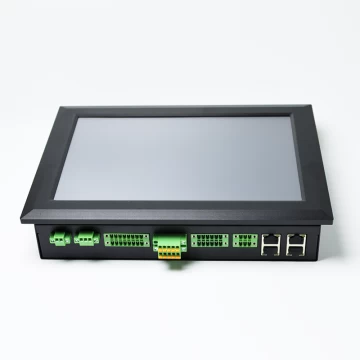
Advanced display and control unit for marine ESS BMS applications with real-time monitoring.
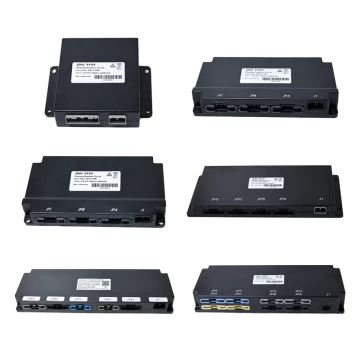
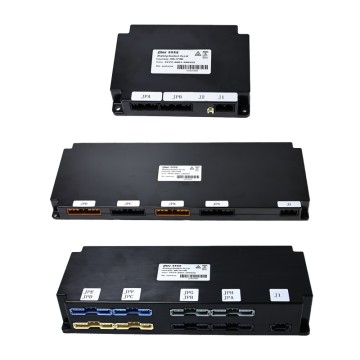
Reliable passive balancing slave units for scalable marine energy storage configurations.
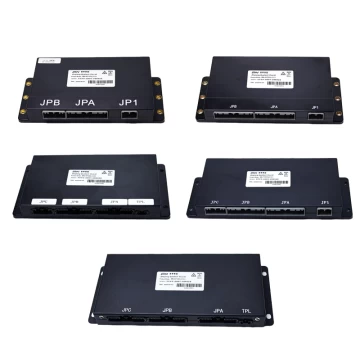
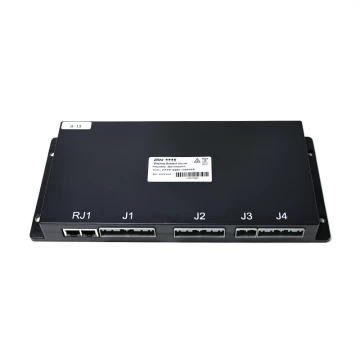
● MCU: S32K312/NXP, 120MHz, 2M Flash, ASIL B ● AFE: High-precision cell monitoring for marine EV propulsion systems
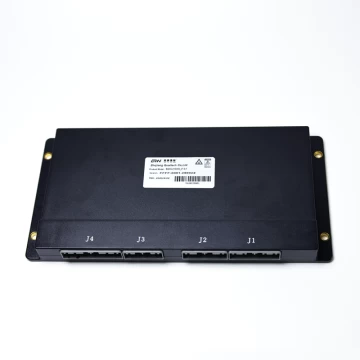
● Supports 1500V total voltage and insulation resistance monitoring — ideal for high-voltage marine propulsion battery packs

All-in-one BMS with voltage, temperature, and current sensing. Supports over-charge, over-discharge, over-current, over-temp, under-temp, and short-circuit protection.
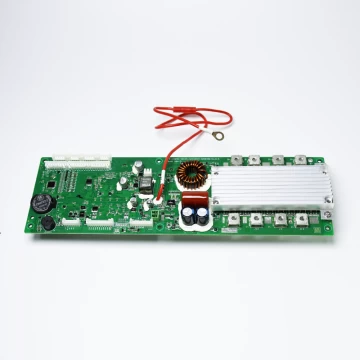
Compact and intelligent BMS designed for 48V LiFePO4 systems, ideal for yacht house battery banks and auxiliary power systems.
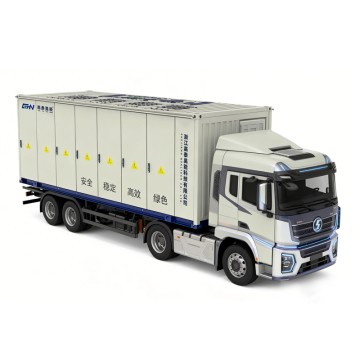
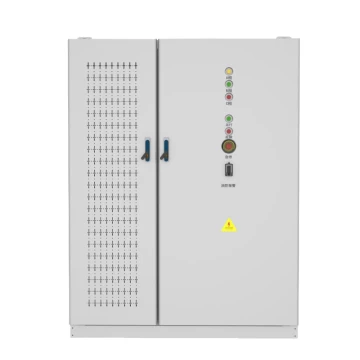
Truck-mounted BESS providing temporary and emergency power for port operations, vessel maintenance, and offshore emergency response.
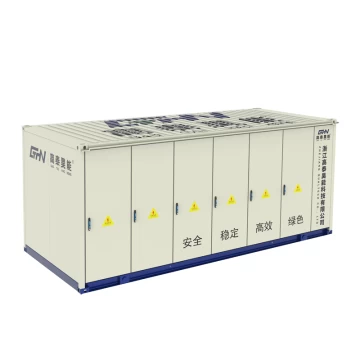
High-capacity containerized BESS with immersion cooling — the ideal solution for port microgrids, shore power infrastructure, and large vessel energy storage.
Qualtech delivers total energy storage solutions across the full spectrum of marine and offshore industry applications.
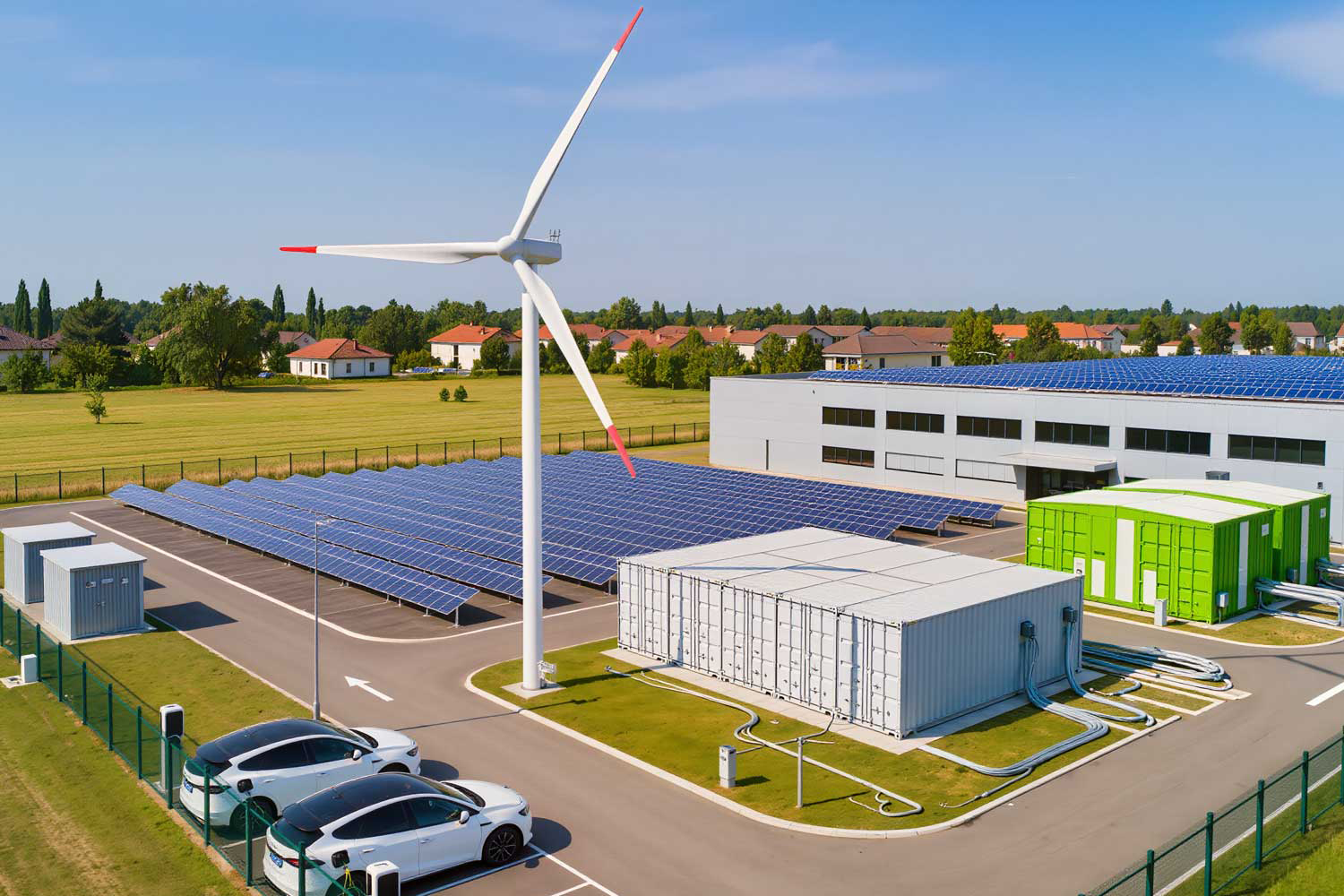
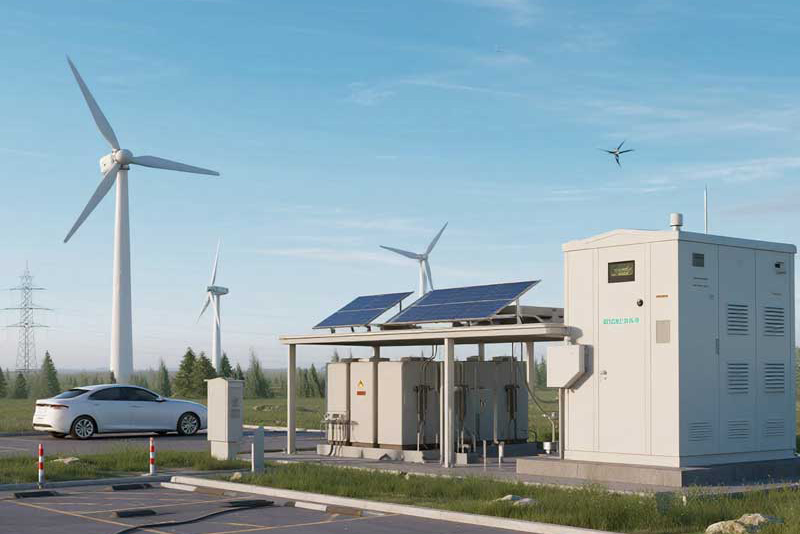
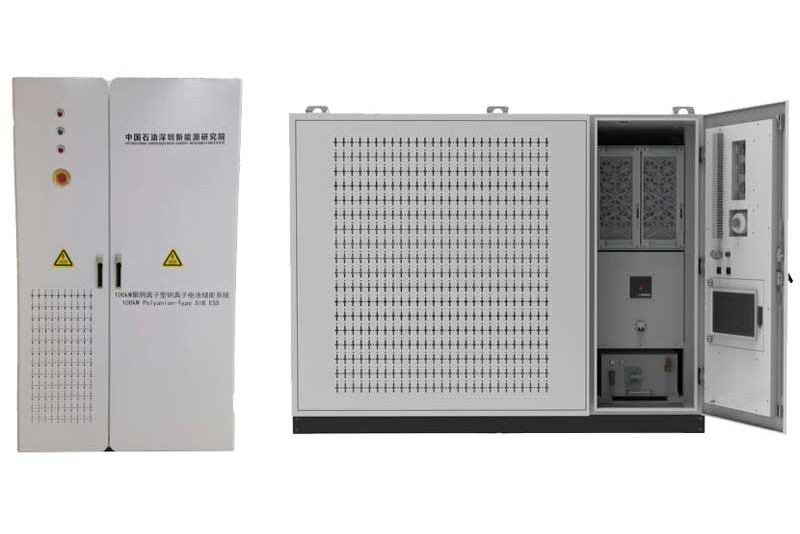
ZheJiang Qualtech Co., Ltd. (referred to as Qualtech) was established in 2011 and is headquartered in Hangzhou, Zhejiang. It is a national high-tech enterprise, the third batch of specialized, refined, and new "little giant" enterprises by the Ministry of Industry and Information Technology, and currently a leading enterprise in both the new energy vehicle BMS and energy storage BMS sub markets in China.
With over a decade of focused R&D investment, Qualtech has built a comprehensive portfolio of battery management systems and energy storage solutions serving marine, automotive, industrial, and grid-scale applications. Our full-stack self-development capability — spanning hardware, firmware, and cloud software — enables us to deliver highly customized solutions for the most demanding marine environments.

Trusted by leading marine, automotive, and energy industry players worldwide.












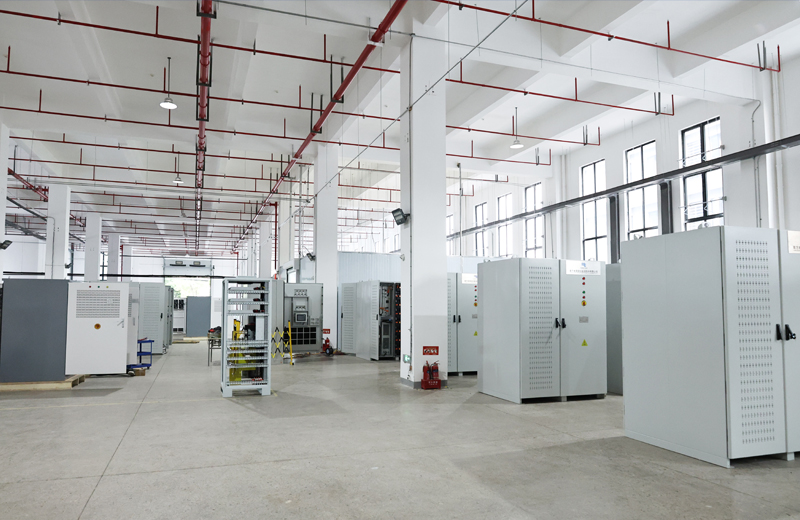
As a full-stack digital smart energy system solution provider, Qualtech has always been anchored by independent R&D and in-house manufacturing.
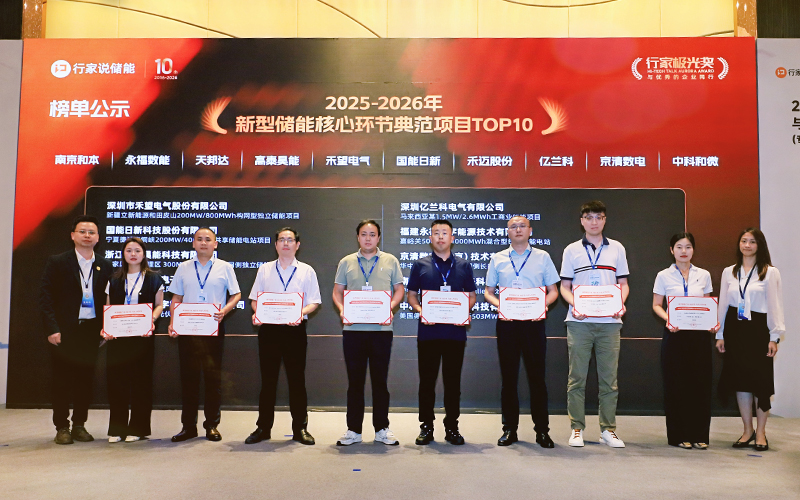
The results of the prestigious Energy Storage Industry Aurora Award have recently been announced, recognizing Qualtech's outstanding contributions.
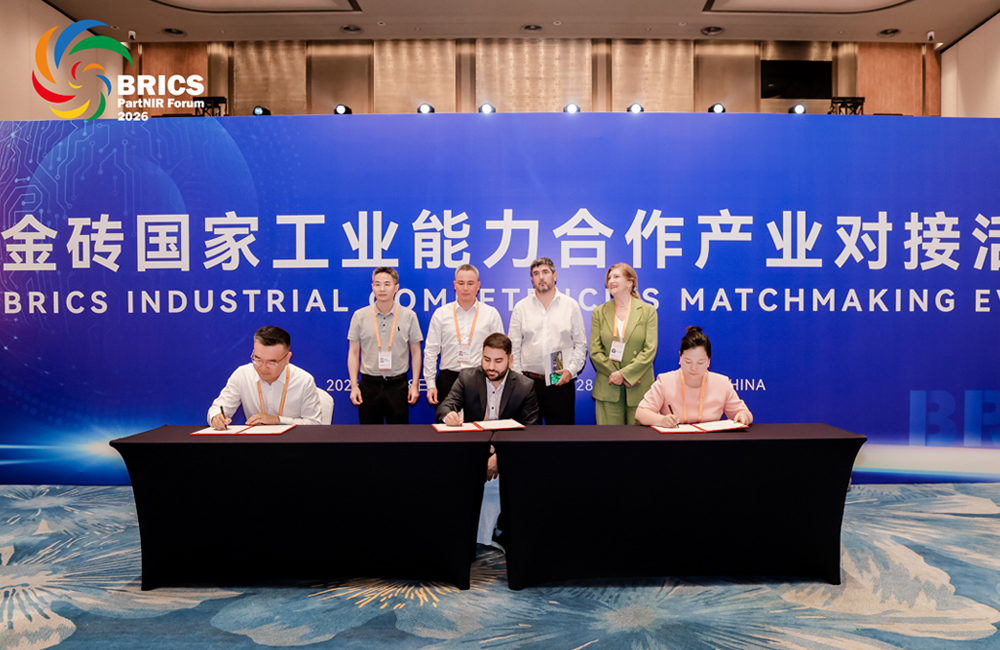
The 2026 BRICS Partnership on New Industrial Revolution (BPNIR) Forum opened recently in Xiamen, Fujian Province.
Explore the full Qualtech product lineup — from intelligent BMS modules to complete containerized energy storage systems for marine and yachting applications.