Leave Your Message

Blog

What Are the Top Types of Power Storage Systems in 2026?

What Are the Top Types of Power Storage Systems in 2026?

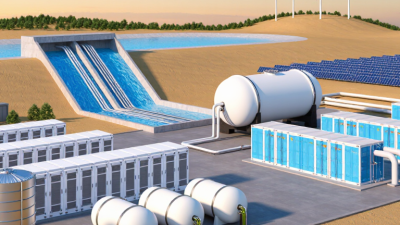
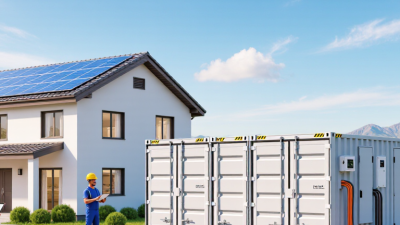
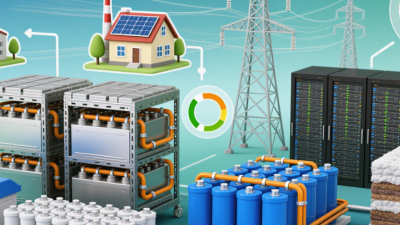
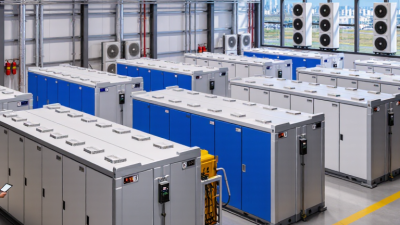
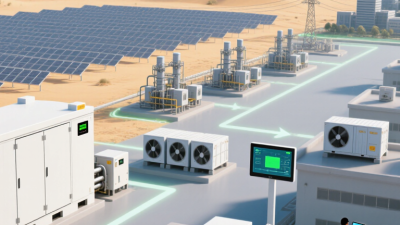
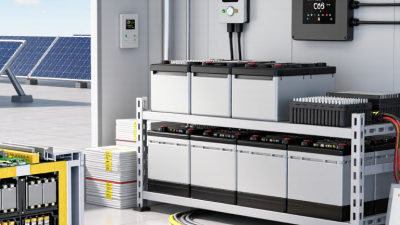
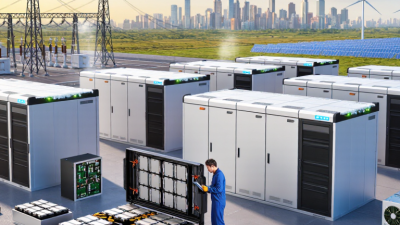
By 2026, picking a power storage system isn't about finding some one-size-fits-all winner—it's really about matching the tech to the specific job. Like, a data center? It needs fast backup, no question. A wind farm might need to hold onto energy for hours after the sun goes down (or when the wind dies). And out at some remote industrial site, you're probably more worried about durability and not having to baby the thing with constant maintenance. The little details honestly make all the difference. So, the International Energy Agency put out this report in 2024 – Batteries and Secure Energy Transitions – and they're saying that to hit net zero, we need to ramp up global energy storage capacity by a factor of six, reaching 1,500 gigawatts by 2030. That's a big jump. And guess what? Batteries are going to do most of the heavy lifting. Pumped hydropower is still a solid option if you've got the right geography, and for short-duration needs, lithium-ion batteries are the go-to. Then you've got flow batteries, thermal storage, compressed-air systems, and hydrogen storage – each has its own niche. Every option has its own set of pros and cons—you'll have to weigh things like cost, how quickly it responds, how long it lasts, and what kind of site it needs. Honestly, there's no one-size-fits-all best choice here. That's the annoying part, isn't it? You know what Dr. Imre Gyuk said? He's the director of the DOE's Energy Storage Research Program, and he put it perfectly: 'Energy storage is the key to unlocking the full potential of renewable energy.' For teams working on projects, this means you can't just look at the tech label. I mean, a battery cabinet next to a solar array, a pumped-storage reservoir, and an insulated thermal tank—they're all solving different problems. The right pick really depends on how long you need to discharge, how you handle safety, what the grid looks like, and how much that stored energy is actually worth. Look, forecasts aren't foolproof. But this guide breaks down the leading system types and the evidence on what they'll actually be up to in 2026.
Read more »
Ethan By:Ethan - November 11, 2026
10 Best C&I Energy Storage Systems for Businesses

10 Best C&I Energy Storage Systems for Businesses

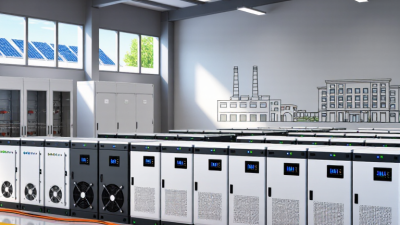
Choosing a C&I energy storage system isn't just about comparing battery capacity. I mean, a factory with a sharp afternoon demand spike needs different gear than a hotel that just wants overnight backup. And a warehouse rooftop might be cranking out more solar power at midday than the site can actually use. Those little details are what really steer you toward the right choice. Okay, so this guide compares 10 of the top systems for commercial and industrial use. And it’s not just about specs for the sake of specs—we’re digging into usable capacity, power output, battery chemistry, control software, safety documentation, warranty terms, and how easy it is to get service. Honestly, these are the things that matter when you’re running the system day to day. Because at the end of the day, the right system has to fit your facility’s load profile, electrical setup, and operating schedule—not just look impressive in a brochure. Honestly, energy storage can be a real game-changer for businesses. You can shift when you use power, bank extra solar for later, or just keep the lights on during outages. That said, the actual results depend a lot on where you are and how you set the system up. Look, rankings are useful, but they can't substitute for an actual site assessment—that's the real deal. Published performance numbers often come from specific setups, and coverage can vary depending on where you are. So before buying, dig into the latest technical docs, installation requirements, and warranty fine print with each vendor. Also, ask them how the controls actually behave when demand shifts or when maintenance is due. And watch out: that low quote might be hiding significant costs. Think of this comparison as a solid starting point, not the final word on engineering. Some trade-offs are surprisingly easy to overlook, and even a carefully picked shortlist might need a second look once you actually have real load data in hand.
Read more »
Sophia By:Sophia - November 6, 2026
How to Choose the Right Hybrid Inverter for Your Needs

How to Choose the Right Hybrid Inverter for Your Needs

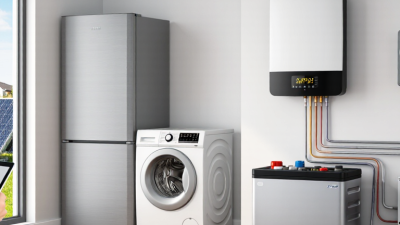
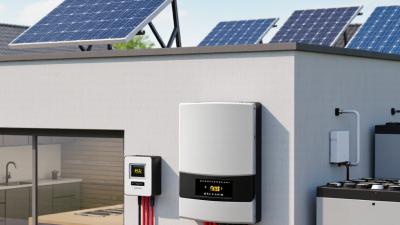
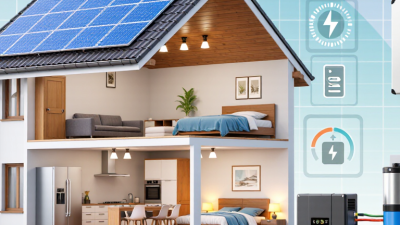
Picking a Hybrid Inverter isn't just about specs — it's really about how you actually use energy day to day. The right one can tie your solar panels, battery storage, and the grid together into one smooth system. But honestly, those features only matter if they actually make sense for your home, your budget, and what you need backup for. Alright, let’s start with your electricity bill—actually look at the details. You’ll want to jot down your daily usage, peak loads, and the appliances that really need to stay on during an outage. Here’s the thing: a refrigerator might not use a ton of energy over a full day, but when its motor starts up, it needs an extra kick of power. Then you’ve got things like a well pump or workshop tool, and those add a completely different kind of demand. Small stuff matters, too. And hey, estimates? They can be off. Alright, so when you're picking an inverter, you really need to look at more than just the price tag. Start with the basics—continuous output, surge capacity, how much solar input it can handle, battery compatibility, and conversion efficiency. And make sure it actually works with the battery chemistry and voltage you have in mind, otherwise you're setting yourself up for headaches later. Then there are the things people often forget: monitoring, operating temperature range, warranty terms, and whether you can actually get tech support when something goes wrong. Sure, a cheap unit might catch your eye, but don't forget installation costs and replacement parts—those add up fast. Honestly, there's no one-size-fits-all inverter, so it's all about matching it to your setup. Before you commit to anything, it’s really worth digging into the manufacturer’s datasheet—don’t just skim the product summaries. Also, get a qualified installer to look at your wiring, what loads you’re likely to run, and the conditions at your site. Local electrical codes can throw a wrench in your plans, too. And hey, if you’re not sure what you actually need, it’s better to admit that upfront than pretend otherwise. Oversizing without a solid reason? You’ll probably just burn money. Undersize, though, and your backup might not deliver when you need it. The goal is something that works for your daily life, not a spec sheet that looks impressive on paper.
Read more »
Ethan By:Ethan - November 2, 2026
How to Choose Solar Power Backup Systems for Homes

How to Choose Solar Power Backup Systems for Homes

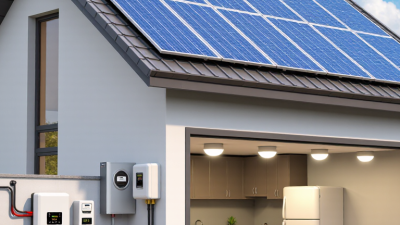
When a blackout hits, the whole question changes. You're no longer asking how many solar panels you need—you're suddenly focused on which lights, outlets, and appliances absolutely can't be without power. Solar backup systems for homes typically include panels, an inverter, and battery storage, but here's the catch: they only work well if you size them right. And to give you an idea of why this matters, the U.S. Energy Information Administration found that in 2022, the average American customer dealt with about 5.5 hours of power interruptions, and that's counting major events. Alright, that national average? It's nice for context, but honestly, it's not a prediction for any single home. What actually matters is the outage history right around you. Energy analyst Amory Lovins, who co-founded the Rocky Mountain Institute, famously reminded us that the cheapest energy is the one we don't use. That's a pretty solid starting point, right? Before you go comparing battery sizes, take a step back and think about what you actually need to keep running. A fridge, your router, and a couple of lights? That's a whole different ballgame than trying to power electric heating or central AC. So yeah, start with the essentials. So when you're checking out these systems, you really want to look at the usable kilowatt-hours, inverter output, how it handles motor-starting surge, solar recharge capability, and whether it can safely disconnect from the grid. Honestly, the small stuff matters more than you'd think. You know, a lot of Battery Power Storage Systems might look the same on a product page, but they can be totally different when you get into backup duration, expansion options, warranty terms, and installation requirements. It's the little things that catch you off guard. First things first, ask for a load assessment and make sure you get the written assumptions—especially for cloudy days. A perfect estimate? Yeah, that's basically a myth. So instead of settling for a glossy promise, push for an honest, real talk about that uncertainty. A qualified installer will sit down with you and walk through what actually stays on, for how long, and what happens when the battery finally runs dry.
Read more »
Ethan By:Ethan - October 30, 2026
Why Choose Solar Energy Battery Storage for Global Buyers?

Why Choose Solar Energy Battery Storage for Global Buyers?

More and more buyers around the world are starting to see solar battery storage as a pretty practical way to keep electricity costs in check and avoid supply headaches. Basically, it banks all that extra solar power during the day, then lets you use it once the sun goes down or if the grid decides to take a break. Sounds simple enough, and it really can boost your energy independence. But—and there's always a but—how well it actually works depends on things like system design, local weather, your electricity tariff, and how well the whole thing gets installed. Look, if you want a system that actually holds up, it all starts with getting the load data right. You’ve got to know your daily usage, peak demand, battery capacity, usable energy, round-trip efficiency, and how many cycles you can expect. And don’t overlook safety—check for proven battery chemistry, certified protections, straightforward monitoring, and clear warranty terms. A good supplier should also be able to tell you how the system behaves in extreme heat, cold, humidity, or when the grid gets flaky. Honestly, there’s something really reassuring about knowing the product’s been independently tested—and that the folks installing it are qualified locals you can trust. It just gives you that extra peace of mind. Solar energy storage can actually help out in a lot of places—homes, farms, warehouses, even remote off-grid sites. Imagine a small business: it charges its batteries from rooftop panels during the day, then uses that power to keep refrigeration running at night. Or a rural clinic that needs essential lights and medical equipment to keep working during outages. These examples sound great, but they’re not guarantees. The outcome really depends on the setup. Honestly, the savings might not always match what we projected. If electricity prices shift or we don't get enough sunlight, the numbers could come in lower than expected. And yeah, our assumptions aren't perfect—things happen. Battery aging is a real issue too, so don't wait until the warranty expires to start thinking about a replacement. Okay, so if you're buying globally, don't just look at the sticker price. You've got to think about total ownership cost—what it actually takes to run and maintain the system over time. Ask suppliers for clear technical docs, and don't be shy about service response times, spare parts policies, and local compliance stuff. A supplier you can trust will own up to their limitations and show you measurable proof, not just promises. When you approach it that way, solar energy storage stops being a simple product pick and turns into a carefully managed investment in your energy future.
Read more »
Sophia By:Sophia - October 27, 2026
Why Choose a Hybrid Solar Inverter?

Why Choose a Hybrid Solar Inverter?

Okay, so why go with a Hybrid Solar Inverter anyway? So solar power is really taking off, but the power it produces still isn't spread out evenly. According to the IEA's Renewables 2024 report, we added almost 510 gigawatts of renewable capacity in 2023, and solar PV made up about 75% of that growth. But here's the thing: more panels don't automatically give you reliable power. Clouds roll in. And demand is still there in the evening. So, what does a hybrid solar inverter actually do? Basically, it ties together your solar panels, batteries, home appliances, and the utility grid into one coordinated setup. That means you can sock away some of that midday sunshine for later in the evening, lean less on the grid, and—if it’s designed right—keep the lights on during outages. The IEA’s Batteries and Secure Energy Transitions report expects global energy storage capacity to grow sixfold by 2030. That kind of outlook makes flexible inverter systems look like a pretty smart bet. Honestly, a lot of the benefits come down to how the system is installed—not what the label says. NREL research and field studies back this up: performance can shift depending on battery temperature, how often it’s cycled, shading, and conversion losses. A hybrid setup might make control simpler, sure, but it can also mean higher upfront costs and a more complicated design. That trade-off? Pretty easy to miss. And sizing? Yeah, that matters. Service does too. So, if you're a homeowner, it's worth taking a closer look at your backup loads, battery chemistry, warranty details, communication protocols—and yeah, your local grid rules too. Installers? Don't just lean on those sunny, best-case averages. Model seasonal production instead. And a hybrid solar inverter isn't some magic fix that fits every building. That said, if you need solar generation, storage, and backup power to all play nicely together, it can be a pretty practical way to get closer to energy independence. Honestly, a decision like this? It deserves careful measurement, assumptions you can actually stand behind, and a check-in every now and then.
Read more »
Sophia By:Sophia - October 24, 2026
China Top 10 Lithium Ion Battery Suppliers For Energy Storage

China Top 10 Lithium Ion Battery Suppliers For Energy Storage

China has become a major force in the global energy storage battery industry. This guide reviews China’s top ten lithium ion battery suppliers for energy storage. It focuses on practical performance, manufacturing depth, and project reliability. The selection includes CATL, BYD, EVE Energy, Gotion High-Tech, CALB, REPT BATTERO, Sunwoda, Great Power, Pylontech, and Narada. These companies serve utility-scale projects, commercial facilities, residential systems, and renewable energy applications. Their products commonly use lithium iron phosphate chemistry, which supports strong thermal stability and long cycle life. However, chemistry alone does not guarantee dependable operation. A useful evaluation must examine cell consistency, battery management systems, safety testing, warranty terms, and after-sales support. It should also consider production capacity, export experience, and supply chain traceability. A reliable Lithium Ion Battery For Energy Storage needs more than attractive specifications. It requires stable performance inside real containers, cabinets, and harsh operating environments. The Lithium Ion Protection Board also deserves attention, especially for voltage control, temperature monitoring, and overcurrent protection. This ranking is not permanent. Public information can be incomplete, and supplier capabilities may change quickly. Some manufacturers report impressive laboratory results, but field performance may differ. That is an important limitation. Buyers should verify certifications, test reports, project references, and service commitments before purchasing. Data sheets are useful. They are not the whole story. A careful comparison can help developers choose safer, more efficient, and more dependable energy storage partners.
Read more »
Ethan By:Ethan - October 20, 2026
2026 Best Energy Storage Devices for Global Buyers

2026 Best Energy Storage Devices for Global Buyers

The 2026 market for Energy Storage Devices is getting bigger, faster, and honestly, a lot harder to compare. Battery systems aren't just for niche projects anymore—they're showing up in homes, factories, data centers, and even national grids. According to the International Energy Agency's Batteries and Secure Energy Transitions report, global battery storage additions hit around 42 GW in 2023. That's more than double the year before. BloombergNEF also saw strong growth in stationary storage, helped along by falling lithium-ion prices and the broader push for renewables. But just because the market is growing doesn't mean every product is good. Buyers still need to look at the stuff that matters: usable capacity, cycle life, thermal management, warranty terms, software control, and local service support. A battery might say 10 MWh on the label, but after reserve margins and efficiency losses, its actual daily usable output could be lower. Little details add up. And climate? Yeah, that matters too. Dr. Imre Gyuk, a well-respected energy-storage specialist at the U.S. Department of Energy, once put it this way: “Energy storage is the key to a resilient, reliable, and affordable electric grid.” For buyers around the world, that point is still very practical. Energy Storage Devices shouldn't be chosen on price alone. Safety certification, bankability, recycling plans, and grid compatibility deserve just as much attention. This guide looks at leading technologies—lithium-ion, sodium-ion, flow batteries, and thermal systems. It focuses on how they actually perform in real deployments, not just lab claims. No ranking is perfect. Some performance data is still hard to verify across different regions. And that's a limitation worth being honest about.
Read more »
Sophia By:Sophia - October 15, 2026
10 Best C&I Battery Storage Systems for Global Buyers

10 Best C&I Battery Storage Systems for Global Buyers

Picking the right C&I Battery Storage system out of the '10 best' isn't just a matter of stacking up capacity and price. Commercial and industrial sites are all over the map—different load profiles, grid rules, climates, and money goals. A cold-storage warehouse might mostly need steady peak shaving. A factory, on the other hand, may need backup power in seconds. That's why C&I battery storage selection ends up being super site-specific. In this guide, we look at systems from names like Tesla, Fluence, Sungrow, BYD, and Wärtsilä. We'll go through usable energy, power output, battery chemistry, thermal management, fire protection, monitoring software, warranty terms, and local service support. Here's something field engineers learn fast: installation quality can matter just as much as the battery cabinet itself. A solid commissioning plan? It can save you from expensive delays. Performance claims deserve a close look, too. A datasheet might show great cycle life, but real-world results depend on temperature, depth of discharge, maintenance, and how you operate the system. There's no one-size-fits-all best system. Some buyers care about long-duration storage; others want fast response and compact gear. And costs? They can shift once you factor in shipping, integration, permitting, and replacement planning. Real projects are rarely perfect. Metering data might be incomplete, and forecasts can be a bit optimistic. So buyers should pressure-test assumptions with independent consultants, verified references, and detailed site studies. That practical approach helps you find reliable Battery Storage solutions that actually fit your operations, your budget, and your long-term energy strategy.
Read more »
Clara By:Clara - October 12, 2026
What Is the Best Energy Storage System in China?

What Is the Best Energy Storage System in China?

China has really turned into a giant testing ground for modern energy storage—think desert solar parks, but also packed industrial rooftops. Still, if you ask, “What’s the single best Energy Storage System?”, you’re probably going to get an answer that misleads more than it helps. The right pick depends on a bunch of things: project size, grid conditions, safety rules, financing, and how many years you expect it to run. In the field, lithium iron phosphate batteries tend to get a lot of attention, and for good reason—they strike a decent balance between thermal stability, cost, and cycle life. CATL and BYD bring big battery platforms to utility-scale projects, while Sungrow and Huawei Digital Power offer integrated storage and power-conversion solutions. EVE Energy and CALB also show up in tough commercial and industrial jobs. But they’re not all strong in the same places. A container next to a remote solar plant? It needs reliable cooling, solid monitoring, and easy maintenance access. A factory system might care more about shaving peak demand, saving space, and getting warranty support you can count on. And those performance numbers? Read them carefully. Claimed cycle counts can depend on temperature, depth of discharge, and how the tests were run. That detail matters. Independent certification, fire protection, software reliability, supplier track record, and local service capacity all deserve just as much attention. A cheaper system can get very expensive if replacement parts take forever to arrive or remote alarms just sit there unresolved. No ranking stays correct forever. Prices move. Regulations change. Even manufacturers with strong reputations can run into delivery delays or uneven project execution. A comparison worth trusting should look at measured efficiency, degradation records, safety reports, warranty wording, and total lifecycle cost. This article looks at China’s leading options through that practical lens—while admitting an uncomfortable truth: the best Energy Storage System is usually the one that fits its site, its operator, and its risk tolerance most precisely.
Read more »
Ethan By:Ethan - October 7, 2026
7 Tips for Finding Bms Cars For Sale Worldwide?

7 Tips for Finding Bms Cars For Sale Worldwide?

Finding BMS cars for sale all over the world can be pretty exciting, but let’s be honest—there’s more to it than just comparing prices. Sure, a low listing price is tempting, but it might hide some issues like battery wear, import costs, sketchy documentation, or limited charging support. So, before you jump into anything, it’s a smart move to check out the vehicle’s history, the condition of the battery, and who you’re buying from. Little details really do matter here. In this guide, I’m sharing seven practical tips to help you evaluate electric vehicles from different markets. We’ll talk about how to verify the VIN, ask for battery health reports, and compare warranty terms. I’ll also cover the important stuff—shipping docs, local safety standards, charging compatibility, and after-sales support. If the car uses an Ev Bms, make sure to ask whether diagnostic logs show steady temperature control and balanced cell performance. These records can actually reveal problems that photos alone just can’t show. As a careful buyer, it’s a good idea to get in touch with authorized dealers, reputable exporters, or independent inspectors. Ask for clear pics of the battery case, charging port, tires, and any dashboard warnings. Also, double-check if the price listed includes taxes, shipping, registration, and inspection fees—don’t rely on vague promises. Having everything in writing always adds an extra layer of security. Of course, no checklist is foolproof. Even seasoned buyers can overlook regional software restrictions or unavailable spare parts. That’s why getting a second opinion is always helpful. Sellers like Greenway Motors or Northstar Auto Group can provide useful info, but remember—every claim should be verified. The key to a safe purchase is following local laws and not rushing into payments. With some patience and a few technical questions, your search for BMS cars can turn into a smooth, informed process—way better than ending up with surprises or regrets.
Read more »
Clara By:Clara - October 2, 2026
What Are the Top Solar Panel Battery Systems?

What Are the Top Solar Panel Battery Systems?

So, here’s the deal: a rooftop solar setup can produce more electricity than your home actually needs around noon. But then, come evening, your dinner prep, lights, and heating kick in and boost the demand. That’s where a solar battery system comes in — it shops up some of that excess energy from the day to use later on. The idea sounds pretty straightforward. The tricky part? Picking a reliable system isn’t always so simple. According to the International Energy Agency’s 2024 report on Batteries and Secure Energy Transitions, to stay on track with net-zero goals, we’ll need about 1,200 gigawatts of battery storage capacity worldwide by 2030. Keep in mind, that’s a global target, not a specific prediction for what individual homes might need. Still, it’s a clear sign that how well storage works, how much it costs, and how easily it’s available are all getting a lot of attention. Fatih Birol, the IEA’s Executive Director, has even said, “The world is now entering the age of electricity.” It’s a pretty big shift, though it doesn’t help homeowners figure out which battery to actually buy. This guide compares some of the top options out there, based on things like how much usable energy they hold, how efficient they are at storing and releasing power, warranty length, backup features, and whether they play nice with a Hybrid Inverter Solar System. For example, a small battery might handle your lights and fridge just fine, but if you’ve got bigger power needs, you’ll probably want something with more capacity and a compatible inverter. And let’s not forget — how well it’s installed really matters. The specs listed by manufacturers never tell the full story about your home’s wiring or how you actually use power. So, these rankings should be taken with a grain of salt and aren’t one-size-fits-all. There’s no perfect model for every roof, household, or budget. We mainly look at manufacturer info and trusted industry sources, but we also keep in mind that real-world results can sometimes be different. Honestly, some comparisons are not perfect, and that’s worth saying upfront.
Read more »
Ethan By:Ethan - September 28, 2026
China Best Solar Battery Bank Manufacturer Supplier

China Best Solar Battery Bank Manufacturer Supplier

Picking the right solar battery bank manufacturer or supplier in China isn’t just about hunting for the lowest price. You want a partner who truly understands solar energy systems, knows the ins and outs of storage safety, and considers real-world installation conditions. It’s about more than just specs and costs. A solar battery bank stores the power generated during the day so you can use it in the evening, during cloudy days, or as backup if the grid goes down. But its performance hinges on a few key things—like the quality of the cells, the battery management software, how well it manages heat, and making sure you get the right size for your needs. Reliable manufacturers should be upfront about things like cycle life, usable capacity, warranty details, and test reports. Plus, they should be aware of regional standards—things like IEC, UN 38.3, or UL—that your system needs to meet, especially if the batteries are tucked away in a garage, workshop, or a remote solar cabinet. Dr. Imre Gyuk, a well-known expert in energy storage, once said that storage is “a key enabling technology for renewable energy.” And honestly, he’s got a point. Solar panels only produce power when the sun’s shining, so batteries come in and make that energy usable when you need it most. Of course, no battery is perfect. And a responsible supplier won’t pretend they are. They’ll be upfront about the limitations—like how high temperatures can cut into the battery’s lifespan or how poor ventilation might pose safety risks. Sometimes, choosing a system that's too big can waste your money, while going too small might leave you in the lurch during longer outages. That’s why good manufacturers take a close look at your load patterns, climate, how you charge the batteries, and any future expansion plans before recommending what’s best. And here’s a little truth that some folks overlook: just knowing the specs doesn’t guarantee the system will perform well in the field. Installation quality really matters, and how you use the system is just as crucial. So, when shopping around, it’s smart to check how much experience the factory has, their quality control processes, after-sales support, and if they can provide traceable documentation. A trustworthy solar battery bank maker earns your confidence by showing real evidence, keeping consistent communication, and offering solutions that match real-world daily use—because at the end of the day, it’s all about reliable, safe, and efficient energy storage that actually works for you.
Read more »
Clara By:Clara - September 23, 2026
China Top 10 Lithium Battery Energy Storage Manufacturers

China Top 10 Lithium Battery Energy Storage Manufacturers

China’s lithium battery industry has really become a huge player in the global energy storage scene. Companies here are supplying everything from power grids and commercial setups to factories and even residential systems. In this piece, we’re taking a closer look at China’s Top 10 Lithium Battery Energy Storage Manufacturers — digging into what makes them stand out and how they’ve earned their spots in the market. We consider a lot of factors—like how big their production is, the chemistry of their batteries, safety features, warranty support, how well their systems integrate, and their experience working internationally. We also keep an eye on how each company handles thermal management, their battery management software, and the Lithium Battery Protection Board. These little details really matter, especially when a battery cabinet is out in the open, dealing with everything from blazing summer heat to cold winter days, and the weekly charging cycles. Names like CATL, BYD, EVE Energy, CALB, Gotion High-Tech, Hithium, REPT Battero, Sunwoda, Great Power, and Pylontech all bring their own strengths to the table. Some are heavy on large grid projects, while others focus on modular setups perfect for homes or commercial buildings. That said, it’s always wise to double-check their product claims—no hype, just real info. As Robin Zeng, the chairman of CATL, once said, “Energy storage is the next trillion-dollar market.” It’s a bold statement, for sure, but it’s important to remember—big expectations don’t always mean the tech actually performs as hoped. Real-world reliability depends heavily on the quality of installation, ongoing monitoring, maintenance, and the conditions where it’s actually used. Of course, no ranking is perfect. Battery prices are always changing, and new factories can ramp up capacity pretty quick. Certification results and project histories are worth looking into, too. So, instead of just sizing up companies by how big they are, this overview aims to connect the technical specs with real-world performance and deployment experience. This way, readers can compare manufacturers more confidently. The biggest supplier isn’t always the best fit—sometimes, the right project match makes all the difference.
Read more »
Ethan By:Ethan - September 19, 2026
China Top 10 Solar Electric Storage Systems Suppliers

China Top 10 Solar Electric Storage Systems Suppliers

China has really stepped up as a major player in the world of Solar Electric Storage Systems. They've got deep manufacturing roots, cutting-edge battery research, and are boosting a bunch of renewable projects. In this article, I’m going to walk you through ten key suppliers who are shaping the market — each with their own unique flavor. The list includes big names like Huawei, Sungrow, BYD, CATL, EVE Energy, Pylontech, GoodWe, Growatt, AlphaESS, and Hithium. They’re all playing different roles — some focus on home backup solutions, while others are building massive systems for the utility scale. Their products range from lithium iron phosphate batteries and hybrid inverters to energy management software and modular battery cabinets. Of course, performance is super important, but don’t forget about service, too. When comparing these systems, you’ll want to look at things like usable capacity, round-trip efficiency, warranty details, thermal management, certifications, and how their monitoring setups work. The installation environment also makes a big difference: a compact setup by your garage might do just fine for a house, but a giant utility project will need careful planning around fire safety, connecting with the grid, and long-term maintenance. Dr. Imre Gyuk, a well-known expert in energy storage and a former director at the U.S. Department of Energy, once said, “Energy storage is the key to the future.” And honestly, he’s right about that. Solar power varies a lot — clouds roll in, seasons change, and demand shifts. Storage systems help smooth out those ups and downs. That said, no single supplier is perfect. Prices fluctuate, warranty language can be a bit tricky, and local tech support isn’t always consistent. Plus, product rankings tend to get outdated pretty fast. So, when choosing a system, it’s smart to consider each company’s reputation, their technical strengths, how well their products fit your needs, and their experience in the industry. Keep in mind, there’s no one-size-fits-all winner. And don’t forget — electric energy storage systems are evolving quickly. Before making any decisions, you should double-check current specs, safety documentation, software compatibility, and after-sales support to make sure everything lines up with your needs.
Read more »
Ethan By:Ethan - September 14, 2026